
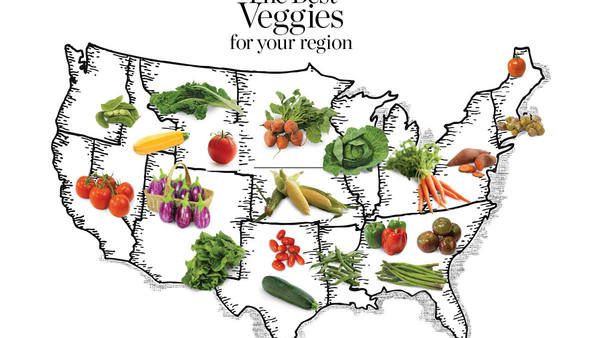
As we embark on a culinary journey through the regions of Italy, one aspect stands out – the rich diversity of typical vegetables that each region has to offer. From the iconic radicchio of Veneto to the artichokes of Lazio and Sicily, every territory boasts its own unique selection of flavorful ingredients that showcase the country’s gastronomic heritage.
A Taste of Tradition
When it comes to Italy, the phrase “a taste of tradition” is more than just a cliché. It’s a way of life that embodies the country’s love for good food and good company. And at the heart of this culinary tradition are the typical vegetables that each region has perfected over time.
The Flavorful Veneto
Let’s start our journey in the Veneto, where the majestic radicchio reigns supreme. This chicory-based vegetable is grown throughout the year and comes in a variety of colors and flavors. From Red Treviso to Verona and Chioggia, each type of radicchio has its own unique characteristics that make it a staple in Italian cuisine.
Radicchio is often used as a condiment or side dish, paired with other ingredients like olive oil, vinegar, and cheese. It’s also commonly used as a topping for pizza and pasta dishes, adding a burst of flavor and color to any meal. In addition to its culinary uses, radicchio has also been shown to have numerous health benefits, including reducing inflammation and improving digestion.
Another staple vegetable in the Veneto region is the turnip green. These leafy greens are used in a variety of dishes, from pasta sauces to salads and even as an ingredient in traditional orecchiette recipes. And let’s not forget about the fascinating inflorescences that form on the plant – known as “friar’s hair”!
A Taste of Puglia
As we travel south, we arrive at Puglia, where the humble turnip green takes center stage. These leafy greens are easy to grow and can be harvested throughout the year, making them a staple in many Italian households.
In addition to turnip greens, Puglia is also known for its production of eggplant, which is often used in traditional dishes like eggplant parmesan and caponata. The region’s rich soil and mild climate make it an ideal place for growing a variety of vegetables, including beans, lentils, and chickpeas.
Umbria and Marche: A Land of Legumes
In Umbria and Marche, we find a region renowned for its legume production. Lentils, beans, fava beans, and chickpeas are all grown in abundance, making these two regions perfect for those who love a good bean-based dish.
Umbrian lentils, also known as “lenticchie” or “red lentils,” have been used for centuries to make traditional dishes like polenta e lenticchie, which is a hearty soup made with lentils and vegetables. The region’s mild climate and fertile soil make it an ideal place for growing lentils, which are rich in protein and fiber.
Marche, on the other hand, is famous for its production of chickpeas, also known as “ceci” or “chick peas.” These small, creamy legumes are often used in traditional dishes like cecina, a flatbread made with chickpea flour. Marche’s rich soil and mild climate make it an ideal place for growing chickpeas, which are high in protein and fiber.
Calabria: The Onion Capital
Next up is Calabria, where the sweet and savory Tropean onion takes center stage. With three autochthonous ecotypes, this onion is a true standout in Italian cuisine – whether it’s consumed fresh or stored for later use.
Calabrian onions are often used as a topping for pizzas and pasta dishes, adding a burst of flavor and color to any meal. They’re also commonly used in traditional sauces like salsa verde, which is made with capers, olives, garlic, and olive oil.
Lazio and Sardinia: Artichokes Galore
In Lazio and Sardinia, we find two regions that share a love affair with the artichoke. Whether it’s the thorny Sardinian variety or the Roman mammola, these delicious vegetables are used in a variety of dishes – from salads to soups and even as a topping for pasta.
Lazian artichokes are often served steamed or roasted, and are a staple ingredient in traditional dishes like cacciucco, a hearty fish stew. Sardinian artichokes, on the other hand, are commonly used in traditional sauces like salsa verde, which is made with capers, olives, garlic, and olive oil.
Sicily: A Land of Flavors
Last but not least, we arrive at Sicily, where the island’s unique terroir produces an array of flavorful ingredients. From manna of the Madonie to Aglio rosso di Nubia and ricotta stuffed tomatoes, each dish is a testament to the island’s rich culinary heritage.
Sicilian manna is a sweet, nutty spice made from the seeds of the carob tree. It’s often used as a topping for yogurt or desserts like cannoli and granita. Aglio rosso di Nubia is a type of garlic grown exclusively in Sicily, which is prized for its rich, buttery flavor.
Campania: The Tomato Capital
As we conclude our journey through Italy’s typical vegetables, no region can be left out – Campania, in particular, deserves mention for its incredible tomato production. From San Marzano to Sorrento and Vesuvio Piennolo, each variety has its own unique characteristics that make it a staple in Italian cuisine.
Campanian tomatoes are often used in traditional dishes like pasta sauces, pizza toppings, and bruschetta. They’re also prized for their rich flavor and firm texture, making them a favorite among chefs and home cooks alike.
Liguria: The Basil Capital
Finally, we arrive at Liguria, where the Italian basil (DOP) takes center stage. This exclusive variety is grown exclusively in this region and adds a touch of elegance to any dish – whether it’s used as a garnish or incorporated into traditional pesto recipes.
Ligurian basil is often paired with garlic, pine nuts, Parmesan cheese, and olive oil to make the famous Genovese pesto sauce. The region’s mild climate and fertile soil make it an ideal place for growing basil, which is high in antioxidants and has numerous health benefits.
The Power of Typical Vegetables
As we explore the world of typical vegetables, it becomes clear that each region has its own unique story to tell. From the humble turnip green to the majestic artichoke, every ingredient is a testament to Italy’s rich culinary heritage.
Typical vegetables are more than just ingredients – they’re a way of life. They represent tradition, culture, and community. In Italy, food is not just about sustenance; it’s about sharing meals with family and friends, savoring flavors, and enjoying the simple pleasures in life.
Frequently Asked Questions
Here are some frequently asked questions about Italy’s typical vegetables:
Q: What is radicchio, and why is it so popular in Italy?
A: Radicchio is a type of chicory that comes in a variety of colors and flavors. It’s a staple ingredient in Italian cuisine, particularly in the Veneto region.
Q: Can I grow my own turnip greens at home?
A: Yes! Turnip greens are easy to grow and can be harvested throughout the year.
Q: What is the difference between Sardinian artichokes and Roman artichokes?
A: Sardinian artichokes are thorny, while Roman artichokes (also known as mammola) are not.
Q: Can I use canned tomatoes instead of fresh ones?
A: While canned tomatoes can be convenient, they lack the flavor and texture of fresh ones. Fresh tomatoes are always preferred in Italian cuisine.
Q: What is the significance of Italian basil (DOP)?
A: Italian basil is a protected designation of origin (PDO) ingredient that’s grown exclusively in Liguria. It adds a unique flavor to any dish!
Q: Can I use aglio rosso di Nubia instead of garlic?
A: No! Aglio rosso di Nubia is a specific variety of garlic that’s native to Sicily and has a distinct flavor profile.
Q: Are all types of onions from Italy the same?
A: No! Each region in Italy produces its own unique type of onion, with varying characteristics and flavors.
Q: Can I use ricotta stuffed tomatoes as a side dish or appetizer?
A: Absolutely! Ricotta stuffed tomatoes make a delicious and elegant side dish or appetizer.


