
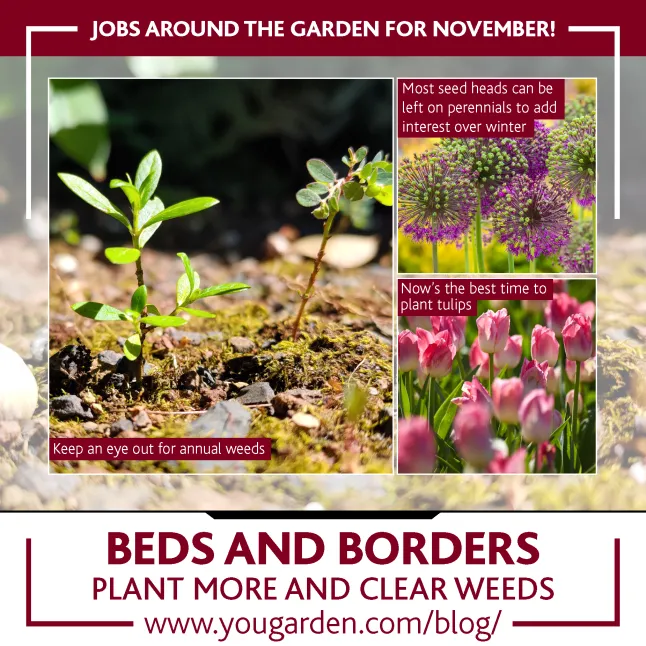
Preparing Your Garden for Winter: A Guide to November Gardening Tasks
As November arrives, the temperatures start to drop, and the garden begins to look less inviting and productive. However, it’s essential not to neglect some crucial maintenance tasks to ensure your plants can thrive during the colder months.
In this article, we’ll explore the top gardening tasks for November, covering pruning, potting, and preparing your outdoor spaces for winter. Whether you’re a seasoned gardener or just starting out, these tips will help you make the most of the season.
1. Prune Your Garden in November
As the days get shorter, it’s an ideal time to prune your garden, including trees, shrubs, and perennials. This helps control their size, promotes healthy growth, and encourages new blooms.
Some key pruning tasks for November include:
- Pruning deciduous trees and shrubs to maintain their shape and promote fruiting
- Trimming back overgrown perennials like hostas and daylilies
- Cutting back dead or damaged branches on evergreen trees
It’s also a good time to prune plants that are prone to self-seeding, such as peonies and roses. By pruning these plants, you’ll encourage them to focus their energy on producing new growth rather than seed.
Pruning tools are essential for November gardening tasks. Make sure your pruning saws, loppers, and shears are in good condition and clean before starting any pruning tasks. You can also use gloves to protect your hands from thorns and sap.
2. Protect Your Plants from Frost
While many plants can survive light frosts, prolonged exposure can cause damage. To protect your plants, consider the following:
- Bring sensitive plants indoors or to a greenhouse for protection
- Mulch around vulnerable plants to insulate them and keep the soil warm
- Use anti-frost sprays or powders on plants that are prone to damage
Some plants are more susceptible to frost than others. If you have plants that are commonly damaged by frost, such as violas or pansies, consider bringing them indoors or using a cold frame to protect them.
3. Clean Up Your Garden
Before the winter sets in, take some time to clean up your garden. Remove any dead leaves, weeds, and debris to prevent pests and diseases from spreading.
Some key tasks include:
- Raking away fallen leaves and debris
- Removing weeds and other unwanted plants
- Trimming back overgrown shrubs and perennials
It’s also a good idea to add a layer of compost or mulch to your garden beds before the winter months. This will help retain moisture, suppress weeds, and regulate soil temperature.
4. Pot Your Plants for Winter
If you have plants that are sensitive to frost or will go dormant during the winter, consider potting them up in a sheltered location.
Some key tasks include:
- Transplanting bulbs like tulips and daffodils into pots
- Potting up perennials like hostas and daylilies
- Using containers with good drainage to prevent waterlogged soil
When potting your plants, make sure the container is at least 6-8 inches deep to allow for proper root growth. Use a well-draining potting mix and avoid overwatering.
5. Prepare Your Pruning Tools
Before you start pruning, make sure your tools are in good condition. Clean and sharpen them regularly to ensure a clean cut.
Some key tips include:
- Cleaning and disinfecting pruning tools after each use
- Sharpening pruning saws and loppers regularly
- Using gloves to protect your hands from thorns and sap
It’s also a good idea to store your pruning tools in a dry, secure location during the winter months. This will help prevent damage and keep them clean.
6. Check Your Garden for Pests and Diseases
As the weather cools, pests and diseases can become more active. Take some time to inspect your garden and address any issues you find.
Some key tasks include:
- Inspecting plants for signs of pests or disease
- Using organic control methods whenever possible
- Quarantining infected plants to prevent the spread of disease
When checking your garden for pests and diseases, make sure to inspect all areas thoroughly. Check for signs of damage, discoloration, or unusual growth.
7. Plan Your Garden for Next Year
Take some time to review your garden’s performance over the past season and plan for next year.
Some key tasks include:
- Evaluating which plants performed well and which didn’t
- Taking notes on soil quality, watering habits, and other factors that affected plant growth
- Making a plan for new additions or changes to the garden
When planning your garden for next year, make sure to consider the needs of each plant species. Research the best growing conditions, pruning strategies, and pest management techniques for each plant.
8. Take Care of Your Garden’s Infrastructure
Don’t forget about the infrastructure in your garden, including fences, paths, and irrigation systems.
Some key tasks include:
- Inspecting fences for damage or wear
- Repairing or replacing broken or worn-out sections
- Cleaning and maintaining irrigation systems to ensure they’re working efficiently
When inspecting your garden’s infrastructure, make sure to check all areas thoroughly. Check for signs of damage, rust, or corrosion.
9. Protect Your Garden from Wind
Wind can cause significant damage to your garden, especially if you have plants that are not hardy enough to withstand it.
Some key tasks include:
- Staking plants that are prone to wind damage
- Using windbreaks or screens to protect sensitive areas
- Securing loose items like decorations and furniture
When protecting your garden from wind, make sure to choose the right materials for the job. Use sturdy stakes, twine, or wire to secure plants in place.
10. Create a Winter Garden Plan
Create a plan for your garden during the winter months, including any necessary maintenance tasks, pruning, and protection.
Some key considerations include:
- Protecting sensitive plants from frost and cold temperatures
- Maintaining soil health through mulching and composting
- Planning for next year’s gardening activities
When creating a winter garden plan, make sure to consider all areas of your garden. Check the specific needs of each plant species and create a plan that will ensure their survival.
11. Use Mulch to Insulate Your Soil
Mulching is an effective way to insulate your soil and protect it from extreme temperatures.
Some key tasks include:
- Applying a layer of organic mulch like straw or bark chips
- Replenishing soil nutrients through composting
- Using mulch to suppress weeds and retain moisture
When using mulch, make sure to apply a thick enough layer to provide adequate insulation. Aim for at least 2-3 inches of mulch per year.
12. Plan for Future Garden Maintenance
Take some time to review your garden’s maintenance needs and plan for the future.
Some key tasks include:
- Scheduling regular pruning and grooming sessions
- Creating a budget for future gardening activities
- Researching new techniques or technologies to improve your gardening skills
When planning for future garden maintenance, make sure to consider all aspects of your garden. Check the specific needs of each plant species and create a plan that will ensure their continued health.
13. Take Care of Your Tools and Equipment
Don’t forget about the tools and equipment in your garden, including lawn mowers, trimmers, and pruners.
Some key tasks include:
- Cleaning and maintaining tools and equipment regularly
- Sharpening blades on lawn mowers and trimmers
- Storing equipment in a dry, secure location
When taking care of your tools and equipment, make sure to follow the manufacturer’s instructions. Clean and maintain your tools regularly to ensure they continue to function properly.
14. Prepare for Next Year’s Garden
Take some time to prepare for next year’s garden, including ordering seeds, plants, and supplies.
Some key tasks include:
- Reviewing last year’s gardening activities and making notes on successes and failures
- Creating a plan for new additions or changes to the garden
- Ordering seeds, plants, and supplies in advance
When preparing for next year’s garden, make sure to consider all areas of your garden. Check the specific needs of each plant species and create a plan that will ensure their continued health.
15. Enjoy Your Winter Garden
Finally, take some time to enjoy your winter garden. Go for a walk, admire the beauty of your plants, and appreciate the hard work you put into creating this beautiful outdoor space.
Some key tasks include:
- Admiring the color and texture of your plants
- Observing the behavior of wildlife in your garden
- Planning future gardening activities
When enjoying your winter garden, make sure to take it all in. Appreciate the beauty and tranquility of this special place.
By following these November gardening tips, you’ll be well on your way to creating a beautiful and thriving garden that will last all year round.


