
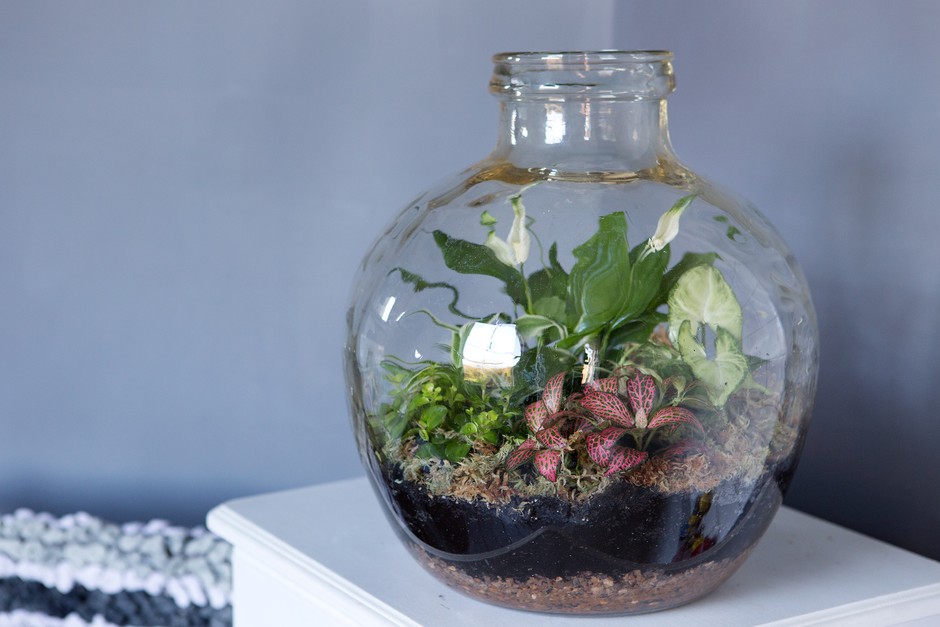
Have you ever heard of the “garden in a bottle”? This innovative approach to indoor gardening allows you to create a thriving ecosystem in a small, self-contained space using just a few recycled materials and some creative thinking. In this article, we’ll explore how to create your own mini-garden in a bottle, from choosing the right materials to maintaining its delicate balance.
What is a Garden in a Bottle?
A garden in a bottle is a miniature ecosystem that can survive without external support for extended periods of time. By carefully selecting and arranging the right plants, soil, and other materials, you can create a self-sustaining environment that mimics the natural world. This innovative approach to gardening has gained popularity in recent years due to its ease of use, low maintenance requirements, and ability to thrive in small spaces.
How Does it Work?
So, how do these mini-gardens work their magic? The key lies in the water cycle within the bottle. As the plants release water vapor into the air, it condenses on the inner surface of the glass, forming droplets that eventually fall back onto the soil. This process creates a continuous cycle of watering and drying, allowing the plants to thrive without external intervention.
The Science Behind the Garden in a Bottle
The concept of a garden in a bottle is based on the principles of hydroponics and evapotranspiration. Hydroponics involves growing plants in a nutrient-rich solution rather than soil, while evapotranspiration refers to the process by which plants release water vapor into the air through their leaves.
In a garden in a bottle, the plants are grown in a small amount of soil, which is then covered with a layer of activated charcoal or perlite. This helps to improve drainage and prevent waterlogged soil, while also allowing excess water to evaporate.
As the plants grow, they release water vapor into the air through their leaves, which condenses on the inner surface of the glass. This creates a continuous cycle of watering and drying, as the droplets fall back onto the soil, replenishing it with moisture.
What You’ll Need
To create your own garden in a bottle, you’ll need the following materials:
- A clear glass or plastic bottle with a wide mouth
- Small potted plants (succulents or ferns work well)
- Soil specifically designed for indoor use
- Activated charcoal or perlite to improve drainage
- Pebbles or small rocks for added stability
- Water spray bottle
Choosing the Right Plants
When selecting plants for your mini-garden, it’s essential to choose species that thrive in low-light conditions. Succulents and ferns are excellent choices, as they can tolerate a range of lighting conditions and require minimal watering.
Some popular succulent species include aloe, echeveria, and crassula, while ferns such as the maidenhair fern (Adiantum spp.) or the autumn fern (Dryopteris erythrosora) are also excellent options.
Soil Selection
The soil used in your mini-garden is critical to its success. You’ll want to choose a high-quality, indoor potting mix that drains well and provides good aeration for the roots.
Some popular indoor potting mixes include:
- Miracle-Gro Indoor Potting Mix
- Black Kow All Purpose Potting Mix
- Pro-Mix Indoor Potting Mix
Step-by-Step Guide
Now that you have your materials, let’s move on to the step-by-step process of creating your garden in a bottle:
- Clean and prepare the container: Thoroughly wash the bottle with soap and water, then dry it completely.
- Add a layer of drainage material: Fill the bottom of the bottle with a thin layer of activated charcoal or perlite to improve drainage.
- Add soil: Fill the bottle about 1/3 full with indoor potting soil, leaving enough room for the plants’ roots to grow.
- Plant your selection: Gently place the small potted plants into the soil, making sure not to disturb their roots.
- Add a layer of decorative rocks or pebbles: This helps stabilize the soil and adds visual appeal to your mini-garden.
- Water and seal: Use a water spray bottle to gently moisten the soil, then close the bottle tightly.
Where to Place Your Mini-Garden
To ensure optimal growth, place your mini-garden in a spot with bright, indirect light but avoid direct sunlight, which can cause overheating. East- or west-facing windows are ideal.
Tips for Optimizing Light
If you’re placing your mini-garden in a spot with limited natural light, don’t worry! You can still optimize the lighting conditions using artificial sources.
Some popular options include:
- LED grow lights
- Fluorescent grow lights
- Solar-powered lights
Maintenance and Tips
To keep your garden in a bottle thriving, follow these tips:
- Water sparingly: Check the soil moisture by sticking your finger into the soil up to the first knuckle. If it feels dry, water lightly with a spray bottle.
- Avoid overwatering: Too much water can lead to root rot and other problems. Monitor the soil’s moisture level closely.
- Keep it away from extreme temperatures: Avoid placing your mini-garden near heating or cooling vents, fireplaces, or drafty windows.
Conclusion
Creating a garden in a bottle is an innovative approach to indoor gardening that can bring joy and serenity to even the smallest of spaces. By following these simple steps and tips, you can create a self-sustaining ecosystem that will thrive for years to come. So why not give it a try? With a little creativity and patience, you’ll be enjoying the beauty of nature in a bottle in no time.
Frequently Asked Questions
- Q: Can I use any type of plant in my mini-garden?
A: Yes! Choose plants that thrive in low-light conditions, such as succulents or ferns. - Q: How often should I water my mini-garden?
A: Check the soil moisture regularly and water lightly when necessary. - Q: Can I grow food in my mini-garden?
A: While it’s technically possible to grow some edible plants, such as herbs or microgreens, it’s not recommended for beginners due to the limited space and potential for contamination. - Q: How long will my mini-garden last?
A: With proper care, your mini-garden can thrive for years, even decades! - Q: Can I use a different type of container?
A: Yes! Experiment with other shapes and sizes to find the perfect fit for your space and style.
By following these simple steps and tips, you’ll be well on your way to creating your own self-sustaining mini-garden in a bottle. Happy gardening!
Advanced Techniques
Once you’ve mastered the basics of creating a garden in a bottle, it’s time to take your skills to the next level. Here are some advanced techniques to try:
- Multi-layered gardens: Create a layered effect by using multiple pots or containers within the main container.
- Micro-grids: Use small rocks or pebbles to create a micro-grid that allows excess water to drain away from the plants’ roots.
- Air circulation: Add some air circulation to your mini-garden using small fans or vents.
Troubleshooting Common Issues
While creating a garden in a bottle can be a rewarding experience, there are a few common issues to watch out for. Here are some tips on how to troubleshoot and fix these problems:
- Overwatering: If the soil feels waterlogged, stop watering immediately and wait for the next day before resuming.
- Underwatering: If the soil feels dry, increase the frequency of watering, but avoid overwatering.
- Pests or diseases: Inspect your mini-garden regularly for signs of pests or disease. Treat any issues promptly to prevent them from spreading.
Conclusion
Creating a garden in a bottle is an innovative approach to indoor gardening that can bring joy and serenity to even the smallest of spaces. By following these simple steps and tips, you can create a self-sustaining ecosystem that will thrive for years to come. So why not give it a try? With a little creativity and patience, you’ll be enjoying the beauty of nature in a bottle in no time.
Additional Resources
If you’re interested in learning more about creating gardens in bottles or want additional resources on indoor gardening, check out these websites:
- The Spruce: A comprehensive guide to indoor gardening, including articles on plant care and garden design.
- Instructables: A community-driven platform with tutorials and guides on various DIY projects, including garden in a bottle creations.
- Indoor Gardening subreddit: A community of indoor gardeners sharing tips, advice, and resources.
By following these simple steps and tips, you can create your own self-sustaining mini-garden in a bottle. Happy gardening!


