
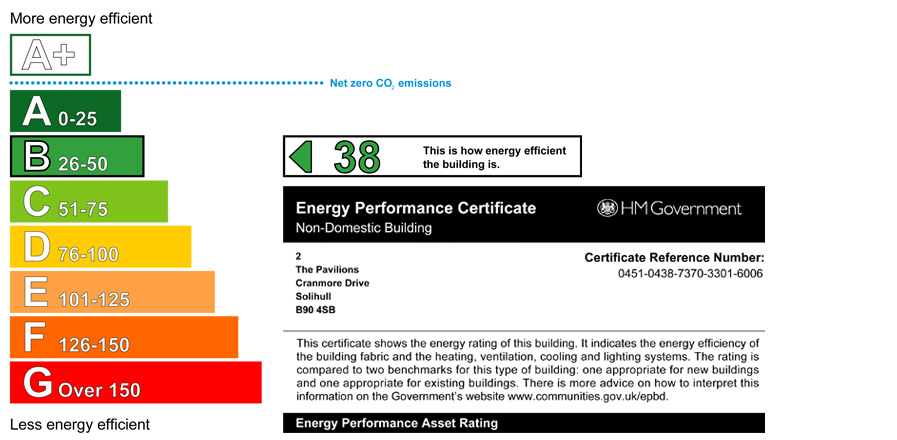
The wait is finally over for building energy certification, and as of July 1st, 2015, the new APE model will take effect in Italy. This revolutionary change aims to provide a unified framework for all buildings across Italy, with ten classes of energy efficiency.
Understanding the New APE Model
The new APE model is based on a single, nationwide standard that will replace previous certification models. The certification process will involve at least one site visit by the certified engineer. However, we’ll have to wait until the official publication of the decree from the Ministry of Economic Development to know all the details.
Key Changes in Energy Efficiency Certification
So, what are the main changes in energy efficiency certification? Let’s dive into it!
- Unified model: The new APE model will be used across Italy, replacing previous models. This means that building owners and managers will need to adapt their processes and procedures to comply with this new standard.
- Increased emphasis on energy performance: The new model will focus on the overall energy performance of buildings, both in terms of primary energy consumption and non-renewable energy use. This shift in focus highlights the importance of considering all forms of energy usage when evaluating a building’s efficiency.
- Emissions data: The new model will require buildings to report greenhouse gas emissions produced by the building. This added requirement emphasizes the need for buildings to be environmentally friendly and sustainable.
- Energy export data: The new model will also track energy exported from buildings. This is an interesting development, as it suggests that the government is recognizing the potential benefits of building owners exporting excess energy back into the grid.
- Quality of insulation: The new model will take into account the quality of insulation in buildings, allowing for more accurate calculations of energy consumption. This change highlights the importance of proper insulation techniques and materials.
Classification of Buildings
So, how will buildings be classified? It’s all about the Energy Performance Index (EPI), which is expressed in non-renewable primary energy. We’ll have ten classes of energy efficiency, ranging from A4 to G, with A4 being the most efficient and G being the least.
- Class A4: Buildings with an EPI value of 70-100 per year are classified as Class A4.
- Class A3: Buildings with an EPI value of 50-69 per year are classified as Class A3.
- Class B: Buildings with an EPI value of 30-49 per year are classified as Class B.
- Class C: Buildings with an EPI value of 20-29 per year are classified as Class C.
- Class D: Buildings with an EPI value of 10-19 per year are classified as Class D.
- Class E: Buildings with an EPI value of 0.1-9.9 per year are classified as Class E.
- Class F: Buildings with an EPI value of -5 to 0.09 per year are classified as Class F.
- Class G: Buildings with a negative EPI value or an unknown energy efficiency rating are classified as Class G.
Validity Period
Once the certification process is complete, the certificate will be valid for 10 years. This means that building owners and managers can use their certified APE to demonstrate their building’s energy efficiency over a long period of time.
Additional Information Required on Certificates
When the APE is issued, it will include additional information such as:
- Proposals to improve energy efficiency in buildings
- Financial incentives for energy-efficient renovations or upgrades
These added details highlight the importance of not only certifying a building’s energy efficiency but also providing actionable recommendations for improvement.
Certified Engineers’ Role
Certified engineers have a crucial role in the certification process. They must conduct at least one site visit to gather necessary data and ensure accurate calculations. This site visit allows certified engineers to assess the building’s energy efficiency and identify areas for improvement.
Costs of Energy Efficiency Certification
What about costs? By the end of January 2016, Enea will launch a website with information on costs for energy efficiency certifications. The website will provide statistics on APE registration, control, validation, and distribution by class of energy efficiency. It will also offer an estimate of average costs for preparing APEs.
Frequently Asked Questions (FAQs)
Here are some key questions that arise when considering the new APE model:
- What is the deadline for implementing the new APE model?
The new APE model will take effect as of July 1st, 2015. - How often must certified engineers conduct site visits?
Certified engineers must conduct at least one site visit to gather necessary data and ensure accurate calculations. - What is the purpose of including emissions data on energy certificates?
The inclusion of emissions data allows for better tracking of greenhouse gas emissions produced by buildings. - Will there be any incentives for building owners to improve energy efficiency?
Proposals to improve energy efficiency and financial incentives for energy-efficient renovations or upgrades will be included on APE certificates.
The new APE model is a significant step forward in promoting energy efficiency across Italy’s built environment. By understanding the key changes, benefits, and requirements of this model, we can work towards creating more sustainable and environmentally friendly buildings.
Conclusion
In conclusion, the introduction of the new APE model marks an important milestone in the journey to create a more efficient and environmentally conscious built environment. As building owners, managers, and engineers embrace this new standard, we will see significant improvements in energy efficiency across Italy. By staying informed about the changes and requirements outlined in this article, you can ensure that your buildings meet the new standards and contribute to a more sustainable future.
Future Implications
The introduction of the APE model has far-reaching implications for building owners, managers, engineers, and policymakers alike. As we move forward, it’s essential to consider the following:
- Increased transparency: The new model provides a clear framework for evaluating energy efficiency in buildings.
- Improved accuracy: The inclusion of emissions data and energy export data will allow for more accurate assessments of building performance.
- Incentivization: Proposals to improve energy efficiency and financial incentives for energy-efficient renovations or upgrades will encourage building owners to adopt more sustainable practices.
As we navigate this new landscape, it’s crucial to stay informed about the latest developments and best practices. By doing so, we can work together to create a more efficient, sustainable, and environmentally conscious built environment.
Key Takeaways
In summary, the APE 2015 model brings significant changes to building energy certification in Italy. Here are some key takeaways from this article:
- Unified model: The new APE model will replace previous certification models.
- Increased emphasis on energy performance: The new model focuses on overall energy performance.
- Emissions data and energy export data: Buildings must report emissions produced by the building, as well as track exported energy.
- Classification: Buildings are classified into ten classes of energy efficiency based on their Energy Performance Index (EPI).
- Validity period: APE certificates will be valid for 10 years.
By understanding these changes and requirements, you can ensure that your buildings meet the new standards and contribute to a more sustainable future.


