
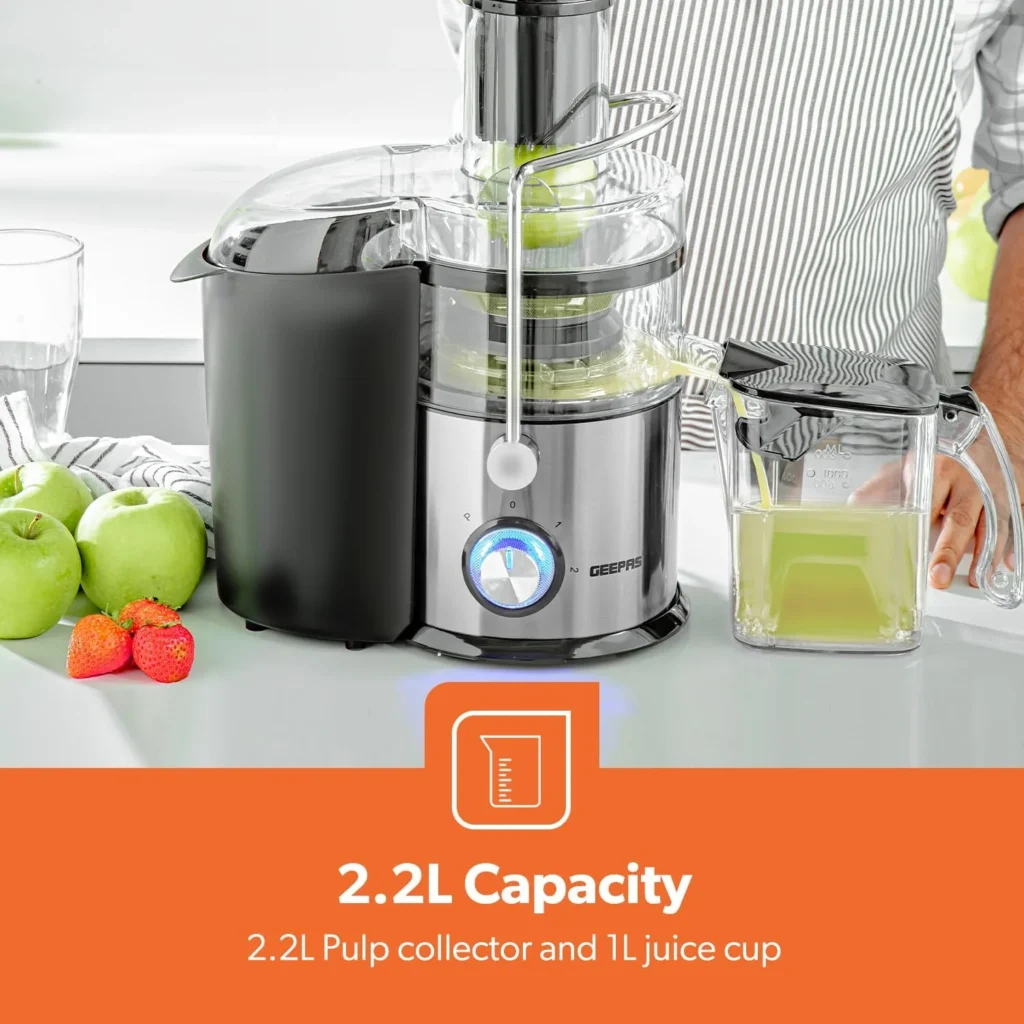
Are you tired of deciding which juice extraction method is best for your health and wellness needs? Look no further! In this article, we’ll explore the pros and cons of centrifuges, juicers, and blenders to help you make an informed decision.
Understanding Juice Extraction Methods
When it comes to juicing, there are three main methods: cold pressing, centrifugation, and blending. Each method has its advantages and disadvantages, which we’ll delve into below.
Cold Pressing vs. Centrifugation
Cold pressing is a traditional method that uses physical pressure to extract juice from fruits and vegetables. This method preserves the natural enzymes and nutrients found in the food, making it an excellent choice for those seeking a high-quality juice. However, cold pressed juices are generally more expensive than centrifuged or blended options.
Centrifugation, on the other hand, uses spinning motion to separate liquid from solids. This method is faster and cheaper than cold pressing but can result in lower nutrient retention due to heat generation during processing.
The Pros of Cold Pressing
• Stability: Cold pressed juices are more stable and can be stored in the fridge for 24-48 hours.
• Nutrient Retention: Cold pressers conserve a small percentage of fibers, making them an excellent choice for those seeking a nutrient-dense juice.
• Vegetable-Friendly: Cold pressers are better suited for vegetables, making them ideal for green juice enthusiasts.
However, the advantages of cold pressing come with a price tag. If you’re interested in micronutrients, it’s always best to consume fresh juice.
The Pros of Blending
Blending has become increasingly popular in recent years, thanks to its ability to produce smoothies at high speeds. This method can conserve all nutritional properties of fruit and vegetables, including fibers, which are essential for feeling full and maintaining regular gut bacterial activity.
Advantages of blenders over centrifuges and juicers include:
• Nutrient Retention: Blenders conserve all nutrients and fibers found in whole foods.
• Easy to Clean: Self-cleaning blenders require minimal effort to maintain cleanliness.
• Zero Food Waste: Blenders liquefy 100% of the product, eliminating food waste.
The Pros of Centrifugation
Centrifugation has its own set of advantages, including:
• Speed: Centrifuges are generally faster than cold pressing and blending methods.
• Affordability: Centrifuges tend to be cheaper than blenders or cold presses.
However, centrifuged juices are more prone to spoilage due to their shorter shelf life.
Choosing the Right Juice Extraction Method
Ultimately, the choice between centrifugation, juicing, or blending depends on your personal preferences and needs. If you prioritize stability and nutrient retention, cold pressing may be the best option for you. However, if you’re looking for a more affordable and efficient method that can produce smoothies at high speeds, blending might be the way to go.
Considerations for Each Method
Before making a final decision, consider the following factors:
- Budget: Centrifuges are generally the most affordable option, while blenders can range from budget-friendly to expensive.
- Speed: If you’re short on time or need to make large quantities of juice, centrifugation may be the best choice.
- Nutrient Retention: Blending is the best method for retaining nutrients, but cold pressing comes close second.
- Vegetable Use: Cold pressing is ideal for vegetables, while blending can handle most fruits and vegetables.
Common Juice Recipes
To help you decide which extraction method to use, we’ve included some common juice recipes below:
- Green Goddess: Combine spinach, kale, cucumber, lime, and mint for a nutrient-rich green juice.
- Beet Bliss: Blend beets, carrots, apple, and ginger for a sweet and healthy juice.
- Carrot Clarity: Juice carrots, celery, apple, and ginger for a refreshing and hydrating drink.
Tips for Using Each Method
Here are some tips to help you get the most out of each extraction method:
- Cold Pressing: Use cold pressed juices within 24-48 hours for optimal nutrient retention. Store in an airtight container in the fridge.
- Centrifugation: Centrifuge juice immediately after preparation and consume within 12-24 hours for best results.
- Blending: Blend ingredients just before consumption to ensure maximum nutrient retention.
Comparing Juice Extraction Methods
Here’s a summary of each extraction method:
| Method | Cost | Speed | Nutrient Retention |
|---|---|---|---|
| Centrifugation | $50-$200 | Fast | Low-Moderate |
| Juicing (Cold Press) | $100-$500 | Slow | High |
| Blending | $100-$1,000+ | Moderate-Fast | High |
Conclusion
Choosing the right juice extraction method depends on your individual needs and preferences. By understanding the advantages and disadvantages of each method, you can make an informed decision that aligns with your health and wellness goals.
Remember to consider factors like budget, speed, nutrient retention, and vegetable use when deciding which extraction method is best for you.
Whether you choose centrifugation, juicing, or blending, always prioritize nutrient-rich ingredients and consume your juice immediately after preparation. Happy juicing!


