
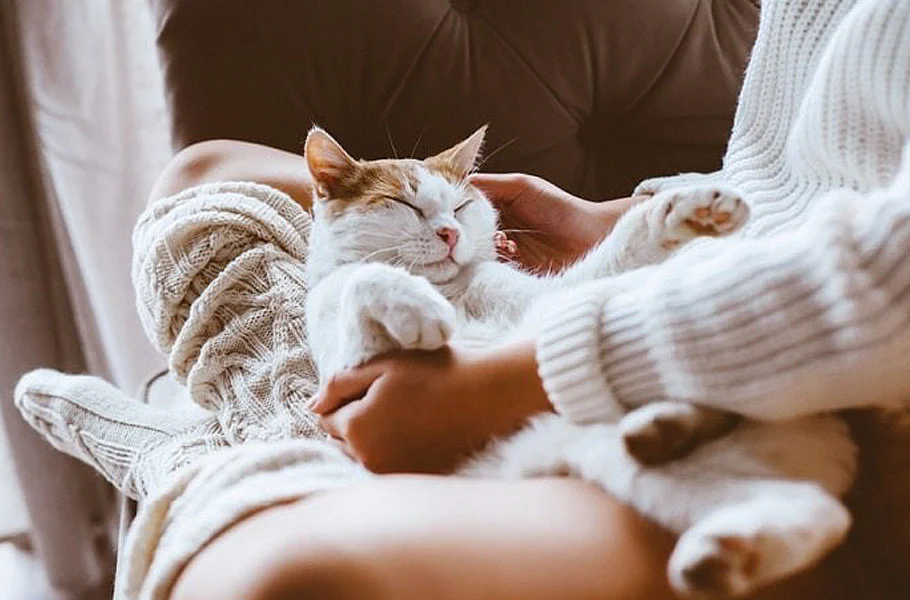
As pet owners, we often wonder what our feline friends enjoy most. One popular notion is that cats love being touched and cuddled. But how do we make sure our kitties appreciate this attention? In this article, we’ll explore the world of cat touch and reveal the secrets to making your feline friend feel loved and relaxed.
Stress Less with Cat Touch
When it comes to touching cats, stress can be a major factor. If your cat feels trapped or confined, they may not appreciate being petted or cuddled. Additionally, some cats might associate touch with possession or ownership. To avoid this, it’s essential to create a calm and peaceful environment for both you and your cat.
Understanding Cat Behavior
Before we dive into the art of touching cats, let’s take a look at their behavior and body language. Cats are known for their independence and aloofness, but they also have a unique way of communicating with us. By understanding these cues, you can better determine when your cat is ready to be touched or not.
Body Language 101: What Your Cat is Trying to Tell You
- Ears up: If your cat’s ears are forward and perked up, it’s a sign of confidence and friendliness.
- Tail twitching: A tail that’s twitching or flicking back and forth can indicate agitation or excitement.
- Whiskers forward: Whiskers that are forward and pointing towards you can be an invitation for touch.
- Posture: If your cat is standing tall with their chest out, it’s a sign of relaxation and trust.
The Art of Touching Cats
So, how do we touch our feline friends without causing stress? The answer lies in understanding their body language and preferences. Here are some tips:
- Start with the back: Gentle strokes on the dorsal area are usually well-received by cats.
- Visit the face: Softly stroking your cat’s face, especially around the cheeks and chin, can be a great way to show affection.
- Be cautious of sensitive areas: The belly and paws should be avoided, as these areas are highly sensitive.
The Benefits of Touching Cats
Touching cats has numerous benefits for both you and your feline friend. Some of the most significant advantages include:
- Reduced stress: Gentle touch can help calm anxious cats and reduce their stress levels.
- Improved mental health: Interacting with pets can release endorphins, which can improve your mood and overall well-being.
- Increased social bonding: Touching cats can strengthen the bond between you and your pet, leading to a more fulfilling relationship.
The Case Against Touching Cats
While many cats adore being touched, there are some who may not appreciate it. If your cat is avoiding eye contact or trying to hide, it’s likely they’re not feeling comfortable with physical affection.
Dealing with Aggressive Cats
Sometimes, our feline friends can get a bit too enthusiastic when we try to touch them. If you find yourself on the receiving end of a nip or two, don’t worry! It’s just your cat’s way of saying “back off.”
Teaching Your Cat to Love Touch
If you’re looking to teach your cat to appreciate being touched, it starts with patience and consistency. Here are some tips:
- Create a safe space: Give your cat plenty of room to move around and feel secure.
- Use positive reinforcement: Reward your cat with treats and praise when they exhibit calm behavior during touch.
- Be gentle and slow: Let your cat get used to being touched gradually, starting with light strokes.
Tips for Touching Cats of Different Ages
Touching cats at different ages can require some special considerations. Here are a few tips:
- Kittens: Handle kittens gently but firmly, supporting their body and limbs.
- Adult cats: Allow adult cats to initiate touch and respect their boundaries if they decline.
- Senior cats: Be gentle and patient when interacting with senior cats, as they may be more sensitive.
Conclusion
Touching cats can be a wonderful way to show affection and strengthen your bond. By understanding their body language and preferences, you can create a safe and enjoyable experience for both you and your feline friend.
Frequently Asked Questions
- Can all cats be touched?
No, some cats may not enjoy being touched or handled. - How do I know if my cat likes being touched?
Pay attention to their body language; if they seem relaxed and calm, it’s likely they appreciate the touch. - What are the most sensitive areas on a cat’s body?
The belly and paws should be avoided due to high sensitivity. - Can I teach my cat to love being touched?
With patience and consistency, you can help your cat feel more comfortable with physical affection.
Additional Resources


