
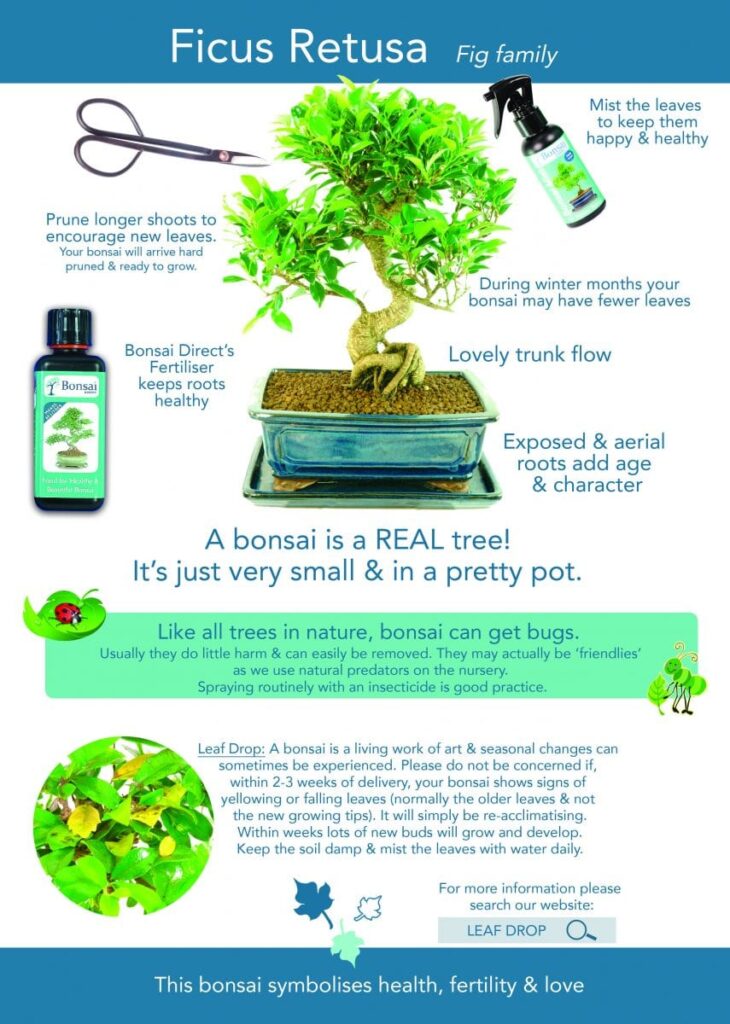
Bonsai cultivation requires a significant amount of patience and consistency. If you’re someone who tends to lose enthusiasm easily, it’s best to abandon the project before starting out with no hard feelings but with great anticipation for the first real results, which will manifest after 5 years if you start from seed.
The Art of Bonsai
Bonsai is an art form that should transport you into a realm free from tension and where one focuses on reconnecting with nature. It’s about submitting to the rhythms of nature rather than imposing your human perspective. Unlike traditional agriculture, bonsai cultivation reverses this dynamic, making it a truly unique experience.
What is Bonsai?
Bonsai is a Japanese term that literally translates to “Tree in Vase.” However, this description only scratches the surface of what makes a true bonsai. Many people mistake bonsai for just a miniature tree, but there’s so much more to it than meets the eye.
When I look at a bonsai, I see hours, days, and years of dedication, patience, and care. The tree has adapted to an environment that is far removed from its natural habitat, yet still manages to amaze and inspire us just as it would in its natural state.
Methods for Cultivating Bonsai
You can begin cultivating a bonsai through four different methods:
- Acquiring a pre-formed bonsai: Purchase a well-established bonsai from a reputable nursery.
- Starting with seeds: Grow your bonsai from seed, which requires patience and dedication but offers unique benefits.
- Pruning (Talea): Start with a cutting or branch of a suitable tree species, taking care to select the right one for your needs.
- Modifying an existing tree: Adapt a tree that is already mature but has a suitable morphology for bonsai cultivation.
Each method offers its own set of advantages and challenges. Acquiring a pre-formed bonsai can be less time-consuming, but it may not provide the same level of engagement as growing your tree from seed or adapting an existing tree.
Understanding Bonsai Cultivation
Bonsai cultivation is all about balance and harmony between the tree and its environment. It’s a delicate dance that requires patience, dedication, and understanding of the tree’s needs.
When starting with seeds, you’ll have complete control over your tree’s destiny from the very beginning. This method offers unique benefits, such as not having to deal with tessuti cicatrizzati (scars) or large trunks cut off during pruning.
Acquiring a Pre-Formed Bonsai
If you decide to acquire a pre-formed bonsai, expect to pay anywhere from 10 euros to over 20,000 euros. The cost depends on the species, style, and age of the tree. While the age of the tree is not as important as the years it has spent in cultivation.
Cultivating Bonsai through Talea
Talea is the most common method for cultivating bonsai. You’ll need to choose a suitable branch or cutting from a tree species that will thrive under your care. The chosen branch should be healthy, with perfect lines or curvatures that you can work with.
When pruning or taking a cutting, use sharp and sterile tools to minimize stress on the plant. It’s essential to use an organic root stimulator like “Green Life” to promote healthy root growth. This product is available on Amazon for around 13.90 euros (currently discounted to 9.90 euros).
To ensure successful propagation, maintain a moist environment by sprinkling water on the cut area but avoid overwatering. Use distilled or room-temperature water and keep the container at an optimal temperature.
Using Organic Root Stimulators
Organic root stimulators are available in various forms, including powders and granules. When choosing a product, select one that is specifically designed for bonsai cultivation. “Green Life” is a popular option, offering effective results without harming your tree’s health.
Common Mistakes to Avoid when Cultivating Bonsai
When cultivating bonsai, it’s essential to avoid common mistakes that can negatively impact your tree’s health and overall appearance. Some of the most frequent mistakes include:
- Overwatering: This is one of the most common mistakes made by bonsai enthusiasts. Be sure to check the soil moisture regularly, and only water when necessary.
- Insufficient light: Most trees require adequate light to thrive, so ensure that your bonsai tree receives sufficient sunlight or artificial lighting.
- Inadequate pruning techniques: Pruning is a crucial aspect of bonsai cultivation, and improper techniques can lead to uneven growth and damaged branches.
- Incorrect potting mix: Using the wrong type of potting mix can affect the health and well-being of your bonsai tree.
Conclusion
Creating a bonsai requires dedication, patience, and a willingness to adapt to the needs of your tree. By understanding the different methods for cultivating bonsai and choosing the right approach for you, you can create a stunning piece of art that will bring joy and serenity into your life.
Frequently Asked Questions (FAQs)
-
What is the best way to start cultivating a bonsai?
Starting with seeds or purchasing a pre-formed bonsai are both viable options. Seeds offer more control over your tree’s development, but may require longer cultivation times. -
How often should I water my bonsai?
Watering should be done regularly, ensuring the soil remains consistently moist without becoming waterlogged. -
What is an organic root stimulator, and why do I need it?
An organic root stimulator is a substance that promotes healthy root growth in plants like bonsai trees. It can help with propagation and enhance overall tree health. -
How do I care for my bonsai tree after pruning or taking a cutting?
After pruning, keep the cut area moist by sprinkling water, but avoid overwatering. Use organic products to promote healthy root growth. -
What is the best way to maintain humidity around my bonsai tree?
To maintain optimal humidity levels, you can use a humidifier or cover your bonsai container with a clear plastic bag during dry periods. -
How long does it take for a seedling to grow into a mature bonsai?
Cultivating a bonsai from seeds can take anywhere from 5 to 10 years or more, depending on factors such as the species and growing conditions. -
Can I propagate my bonsai tree using other methods besides talea?
While pruning (talea) is one of the most common methods for propagating bonsai trees, it’s not the only option. Other methods like grafting or layering can also be effective. -
What are some popular species of trees used for bonsai cultivation?
Popular species include juniper (Juniperus spp.), maple (Acer spp.), pine (Pinus spp.), and ficus (Ficus spp.). Each species has unique characteristics that make it suitable or unsuitable for bonsai cultivation. -
How often should I repot my bonsai tree?
Repotting is essential for maintaining healthy roots and preventing nutrient depletion. Typically, a bonsai tree should be repotted every 2-5 years, depending on the species and growth rate. -
What are some tips for creating a stunning bonsai display?
To create a visually appealing bonsai display, consider using a shallow container with good drainage, placing multiple plants together to create depth and contrast, and experimenting with different soil colors and textures.
By understanding these factors, you can create a thriving and resilient bonsai tree that brings joy to your life.


