
The orchid family is a diverse group of flowering plants, with the Phalaenopsis genus being one of the most popular and widely cultivated. Native to Asia and the Pacific Islands, this genus comprises approximately 50 species that are prized for their exquisite flowers and adaptability in indoor cultivation.
Introduction to Orchid Phalaenopsis
Also known as the “butterfly orchid,” Phalaenopsis is named after its resemblance to butterfly wings. The name originates from the Greek words “phalaen” (butterfly) and “opsis” (like). These elegant flowers are a testament to nature’s ingenuity, with delicate petals that mimic the intricate patterns of butterflies.
Basic Care Requirements
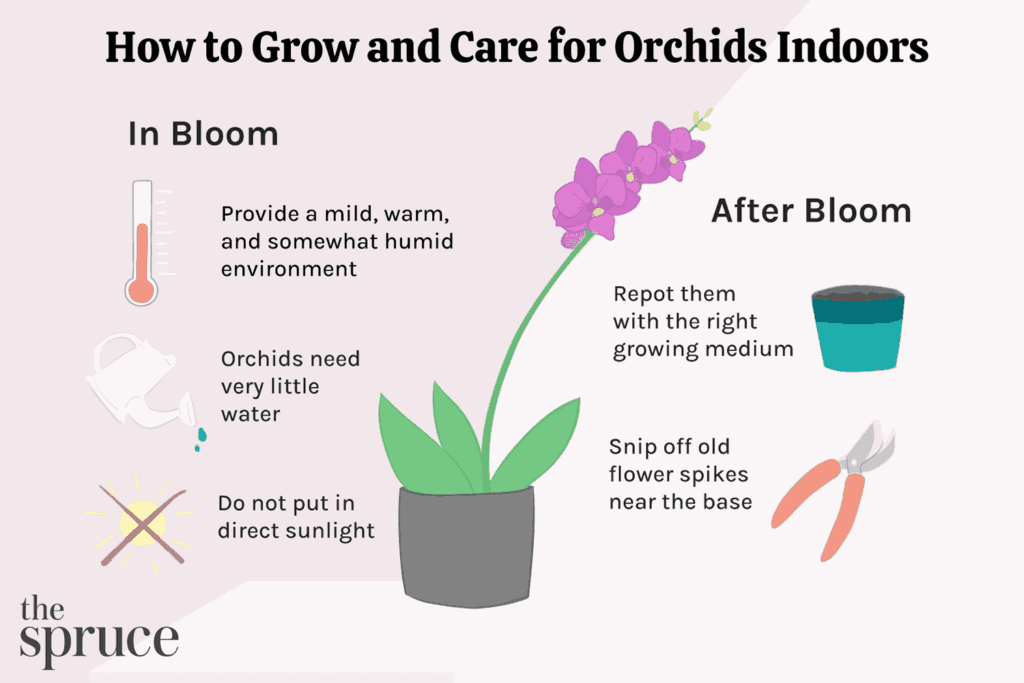
While orchids generally require similar care, Phalaenopsis species have specific needs. Native to warm climates, they thrive in temperatures between 65-75°F (18-24°C) and high humidity levels above 60%. However, they should never exceed 28°C (82°F), as this can lead to damage. It’s essential to maintain a balance between heat and moisture.
Lighting Considerations
Phalaenopsis orchids, like other orchids, prefer filtered light rather than direct sunlight. Placing them near south-east or south-west facing windows is ideal, provided you shield the area with a sheer curtain to prevent scorching. Avoid placing them in areas that receive intense direct sunlight, as this can cause leaf burn.
Monitoring Leaf Health
Check your Phalaenopsis’s leaves regularly for signs of stress, such as yellowing, premature aging, or damage. Observe the color and appearance of the leaves, noting any bruning or spotting. If you notice:
- Pale green or scorched-looking leaves, it may be due to too much direct sunlight.
- Darkened or weakened leaves, excessive watering or lack of humidity might be the culprit.
Watering Techniques
Phalaenopsis require careful watering techniques:
- Use demineralized water to prevent mineral buildup in the potting mix.
- Observe the roots: when they start to dry out, turn from green to grayish-brown. Water your orchid at this point.
- Avoid overwatering, as it can lead to root rot and kill the plant.
Fertilization
Feed your Phalaenopsis with a balanced fertilizer once a month, but avoid excessive applications as it may damage sensitive roots. By maintaining optimal levels of nutrients and minerals, you’ll promote healthy growth and flowering.
Bloom Induction and Maintenance
Phalaenopsis can be encouraged to produce more flowers by pruning their blooms. You have two options:
- Trimming: Cut the flower spike below the last node (just above a leaf joint) to encourage new growth and multiple blooms.
- Root cutting: If you want a larger, more impressive bloom, cut the entire plant back to just above the roots, allowing it to re-establish itself and produce a single, showy flower spike.
Propagation Methods
Phalaenopsis can be easily propagated using various methods:
- Divide the plant: Carefully separate the roots of the mother plant into smaller sections, making sure each section has at least one growing node.
- Air-layering: Cut a small section of stem, strip off the leaves, and wrap the area in moist sphagnum moss. Roots should develop within 2-3 weeks.
- Keiki production: Allow the Phalaenopsis to produce keikis (baby plants) on the mother plant. Once they reach 1-2 inches tall, you can pot them separately.
Pest and Disease Prevention
Regularly inspect your orchid for signs of pests or diseases:
- Check for mealybugs: Look for white, cottony patches on the leaves and stems.
- Watch for spider mites: Inspect for fine webbing on the leaves and tiny insects.
- Prevent fungal infections: Ensure good air circulation, avoid overwatering, and use a fungicide if necessary.
Common Mistakes to Avoid
To prevent common mistakes when caring for your Phalaenopsis:
- Avoid overcrowding: Give each orchid enough space to grow and receive adequate air circulation.
- Don’t expose the plant to extreme temperatures: Temperatures above 28°C (82°F) can damage or kill the plant.
- Water carefully: Overwatering is a common mistake; ensure your Phalaenopsis receives the right amount of moisture.
Tips for Improving Bloom Quality
To increase bloom quality and longevity:
- Provide sufficient light: Orchids need bright, indirect light to produce flowers.
- Maintain optimal temperatures: Avoid extreme temperatures that can cause stress.
- Water carefully: Overwatering can lead to root rot, while underwatering may cause the plant to drop its flowers.
- Fertilize regularly: A balanced fertilizer will help promote healthy growth and flowering.
Common Problems and Solutions
Address common issues with your Phalaenopsis:
- Yellow or brown leaves: Check for overwatering, underwatering, or root rot. Adjust watering schedule accordingly.
- No blooms: Ensure adequate light, fertilize regularly, and provide sufficient water to promote blooming.
- Leaf drop: Inspect the plant for pests, diseases, or nutrient deficiencies.
Expert Tips
Here are some expert tips for Phalaenopsis enthusiasts:
- Monitor humidity levels: Maintain a humid environment (60-70% relative humidity) to promote healthy growth and flowering.
- Use orchid-specific potting mix: Avoid regular potting soil, as it can lead to root problems.
- Rotate the plant regularly: Ensure even growth by rotating your Phalaenopsis 90 degrees every 1-2 weeks.
Conclusion
Caring for a Phalaenopsis requires attention to detail and patience. By following these comprehensive guidelines and tips, you’ll be well on your way to becoming an expert in caring for this beautiful orchid. With proper care and attention, your Phalaenopsis will thrive and provide stunning blooms for years to come.
Frequently Asked Questions
- What temperature range should I keep my Phalaenopsis at?
Aim for temperatures between 65-75°F (18-24°C), as these are optimal for growth and flowering. - How often should I water my orchid?
Water when the roots start to dry out, turning from green to grayish-brown. This indicates it’s time to give your Phalaenopsis a drink. - Can I use tap water on my orchid?
No, as tap water can contain high levels of minerals that might damage your plant. Instead, use demineralized or filtered water. - How often should I fertilize my Phalaenopsis?
Feed your orchid with a balanced fertilizer once a month to maintain optimal nutrient levels. - What is the best way to propagate a Phalaenopsis plant?
You can either trim the flower spike below the last node or cut the entire plant back to just above the roots, depending on your desired outcome. - Can I grow Phalaenopsis in indoor conditions?
Yes! With proper care and attention to lighting, temperature, and watering requirements, you can successfully cultivate these beautiful orchids indoors.
Feel free to ask me any questions about this article or any other topic you’d like assistance with.


