
Introduction
In the world of beauty and wellness, there are many secrets hidden behind ancient practices and traditional remedies. One such secret lies in the humble walnut shell, also known as mallo di noce. This unassuming ingredient has been used for centuries to achieve everything from vibrant hair color to radiant skin tone. In this article, we will delve into the world of walnut shell, exploring its history, properties, benefits, and uses.
What is Walnut Shell?
Walnut shell is a natural byproduct of the walnut tree, obtained during the processing of walnuts. It’s not a true nut, but rather a hard, woody shell that protects the edible kernel inside. This shell is rich in nutrients, including tannins, flavonoids, and naftochinones, which make it an attractive ingredient for natural beauty products.
A Brief History of Walnut Shell
The use of walnut shell dates back to ancient civilizations, where it was employed in traditional medicine and cosmetics. The Persians were among the first to use walnut shell as a hair dye, while the Chinese used it in their traditional medicine practices to treat various ailments, including asthma and impotence.
Hair Benefits
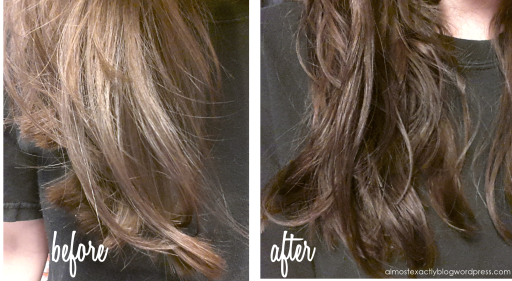
Walnut shell is renowned for its ability to add depth and dimension to hair color. When applied to the hair shaft, it can enhance natural tones and create a rich, reddish-brown hue. This effect is achieved through the absorption of tannins, which penetrate the hair follicle and deposit pigment.
The process of using walnut shell as a hair dye involves several steps:
- Harvesting: Walnut shells are collected from walnut trees and processed to remove any impurities.
- Grinding: The walnut shells are ground into a fine powder to release their tannins.
- Mixing: The powdered walnut shell is mixed with henna or other natural dyes to create a unique, reddish-brown hue.
- Application: The mixture is applied to the hair shaft and left on for several hours before rinsing.
Skin Benefits
Walnut shell also has skin benefits, particularly when used as an oil. The antioxidants and anti-inflammatory properties in walnut shell can help to soothe and calm the skin, leaving it with a radiant glow. This oil is often used in body care products, including sunscreens and moisturizers.
The process of using walnut shell as a skin treatment involves several steps:
- Harvesting: Walnut shells are collected from walnut trees and processed to remove any impurities.
- Grinding: The walnut shells are ground into a fine powder to release their antioxidants and anti-inflammatory properties.
- Extraction: The powdered walnut shell is mixed with oil or other carrier agents to create a soothing skin treatment.
- Application: The mixture is applied to the skin, where it can help to calm inflammation and leave the skin looking radiant.
Other Uses
Beyond hair and skin care, walnut shell has been employed in various other applications:
- Aromatics: Walnut shell can be used as an aromatic ingredient in perfumes and fragrances due to its unique scent.
- Pharmaceuticals: The tannins present in walnut shell have been used in traditional medicine for centuries to treat a range of health issues, including fever and inflammation.
Where to Find Walnut Shell
Walnut shell products are widely available online and in local health food stores. Amazon offers a range of walnut shell-based beauty products, including oils, creams, and serums.
Potential Side Effects
While walnut shell is generally considered safe for human use, there are some potential side effects to be aware of:
- Allergic Reactions: Some individuals may be allergic to walnut shell, which can cause skin irritation or other adverse reactions.
- Toxicity: Ingestion of walnut shell can be toxic to animals, so it’s essential to keep these products out of reach.
Conclusion
Walnut shell is a remarkable ingredient with a rich history and numerous beauty benefits. Whether you’re looking to enhance your hair color or soothe your skin, this natural byproduct of the walnut tree has something to offer. As we continue to explore the world of traditional remedies, it’s essential to remember the importance of responsible use and proper caution when experimenting with new ingredients.
Frequently Asked Questions
- What is the best way to apply walnut shell for hair color?
- Mix walnut shell powder with henna or other natural dyes for a unique, reddish-brown hue.
- How can I use walnut shell as an oil for skin benefits?
- Warm the oil by gently heating it in a bowl of hot water before applying to the skin.
- Is walnut shell safe for children and pregnant women?
- Consult with a healthcare professional before using walnut shell products, especially if you have sensitive skin or allergies.
- How can I store walnut shell products?
- Keep these products in a cool, dry place to maintain their potency and shelf life.
- Can I use walnut shell as a substitute for other beauty ingredients?
- Walnut shell has unique properties that set it apart from other ingredients; however, some users may find alternative products more effective or convenient.
By embracing the power of walnut shell, we can unlock new possibilities for natural beauty and wellness. Whether you’re looking to enhance your hair color or soothe your skin, this ancient ingredient is worth exploring.



