
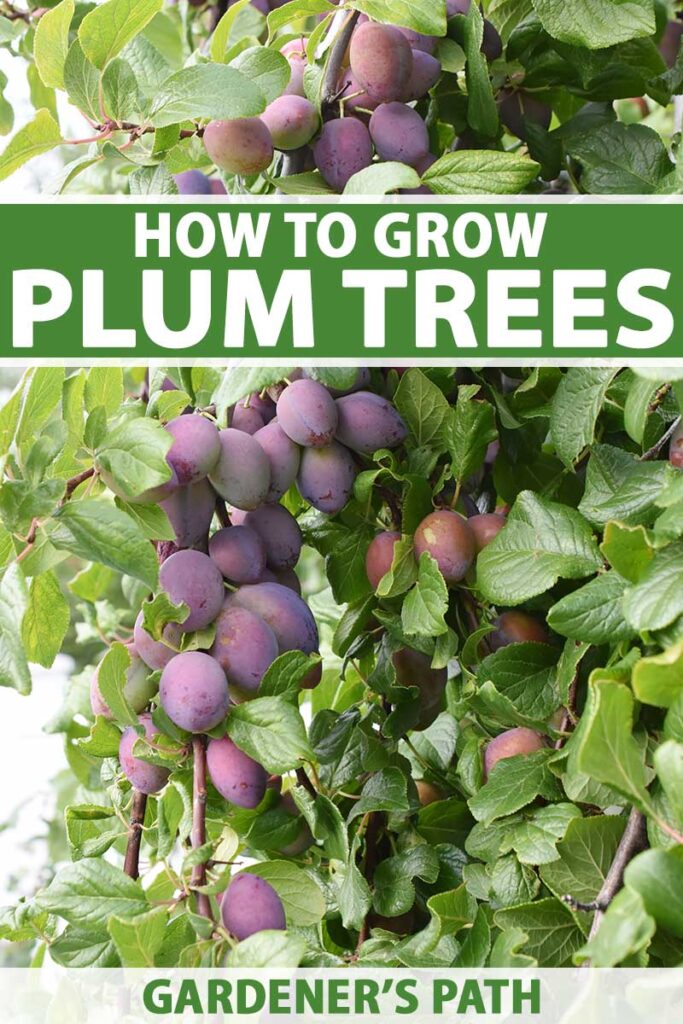
Growing Prunes: A Comprehensive Guide to Cultivating Susine
As an avid gardener, you’re likely familiar with the term “prune” and its association with the fruit of the susino tree. But have you ever wondered how to cultivate these delicious fruits? In this article, we’ll delve into the world of susine cultivation, covering everything from choosing the right variety to tackling common pests and diseases.
Understanding Susino: The Tree and Its Varieties
Susino is a type of deciduous tree that produces fruit known as prunes or susines. With over 2,000 varieties worldwide, this versatile tree has been cultivated for centuries. While many varieties are suitable for cultivation in Europe, those from Asia have proven to be more ideal for the southern regions.
Two primary species of susino are worth noting: Prunus domestica (the European variety) and Prunus salicina (the Asian variety). These two species account for most of the world’s prunes, with 2 million tons produced annually in Europe alone. In Italy, the majority of prunes come from Emilia-Romagna, Campania, and Lazio.
Italian Varieties: The “Ramassin” Group
One unique aspect of susino cultivation is the existence of Italian varieties known as the “Ramassin” group. These native varieties have adapted to the local climate and soil conditions, making them particularly well-suited for cultivation in Italy. However, it’s essential to remember that incrossed pollination still benefits susine production, even with native varieties.
When selecting a susino variety, consider factors such as fruit color, texture, and growth habits. Here are some key differences between European, Asian, and Italian varieties:
- European (Prunus domestica): Typically produces dark purple or black fruits with easily removable skins.
- Asian (Prunus salicina): Produces lighter-colored fruits with less accessible skin.
- Italian (Ramassin) Varieties: Display yellow skin with a softer texture and more easily detachable skin.
Choosing the Right Variety
When selecting a susino variety, consider factors such as climate, soil type, and desired fruit characteristics. Here are some key considerations:
- Climate: Susino trees thrive in temperate climates with mild winters and warm summers.
- Soil Type: Susino prefers well-draining soils with a pH between 6.0 and 7.0.
- Fruit Characteristics: Choose varieties that produce fruit with the desired color, texture, and flavor profile.
Planting Susino: Timing and Soil Preparation
To ensure proper growth, timing is crucial when planting susino. Autumn is the ideal season for first-time plantings. If conditions are favorable, you can also plant in late winter (February-March) if an early frost hasn’t occurred. When preparing the soil, keep it loose and well-draining.
Key Considerations
Before planting, consider the following factors:
- Soil type: Susino thrives in fertile soils with good drainage.
- Space allocation: Leave enough space for proper air circulation to prevent disease.
- Planting depth: Fill the hole with a mix of soil and sand until the root system reaches the top.
Pruning and Potting
Annual pruning is essential to maintain susino health. Remove any dead or damaged branches, while also promoting healthy growth by thinning out select parts of the tree.
When planting in containers, it’s recommended not to use old pots over 6-7 years, as this can impact fruit production.
Common Susino Diseases
Susino is susceptible to various diseases, including:
- Ruggine: Characterized by small, brown lesions on the underside of leaves.
- Corinio del ciliegio: Affects many Prunus species and causes necrotic lesions on leaves.
- Moniliosi o sclerotinia: Caused by fungal infections and affects fruit quality.
Fungal Infections: Prevention and Treatment
To prevent these diseases, apply fungicides in early stages. When infected, use a fungicide to treat the affected areas.
Some common treatments include:
- Poltiglia bordolese fai da te: A homemade solution made from boiled water.
- Rame-based products: Fungicides containing copper or zinc can be effective against fungal infections.
FAQs
Here are some frequently asked questions about susino cultivation:
- How often should I prune my susino tree?
Prune your susino annually to maintain its health and promote fruit production. -
What is the best way to treat fungal infections on susino leaves?
Apply fungicides early in the infection process for effective treatment. -
Can I grow susino trees in containers?
While it’s possible, avoid using old pots over 6-7 years, as this can negatively impact fruit production. -
How do I choose the right susino variety for my region?
Consider factors such as climate, soil type, and desired fruit characteristics when selecting a variety. -
What are some common diseases that affect susino trees?
Ruggine, corinio del ciliegio, and moniliosi o sclerotinia are some of the most prevalent fungal infections affecting susino trees. -
Can I propagate susino trees using grafting or layering techniques?
While possible, these methods can be challenging to execute. -
How do I care for my susino tree during its first year after planting?
Provide regular watering and fertilization while maintaining a balanced soil pH level. -
Are there any organic methods for treating fungal infections on susino trees?
Yes, poltiglia bordolese fai da te can be an effective homemade solution made from boiled water.


