
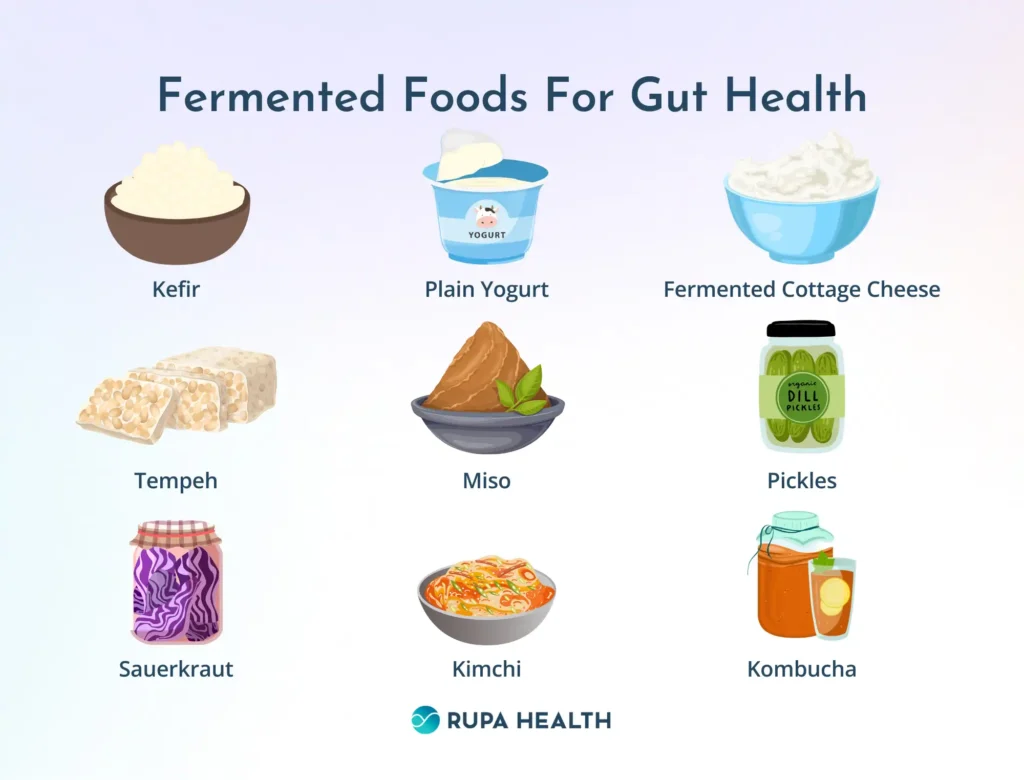
As we navigate the complex world of nutrition, it’s easy to get lost in the sea of information. One often overlooked area is that of fermented foods, which have been a staple in many cultures for centuries. From traditional dishes like kimchi and sauerkraut to modern creations like kefir and kombucha, these foods have been shown to have a profound impact on our health.
What are Fermented Foods?
Fermented foods are those that have undergone a process of fermentation, where microorganisms break down the food’s natural sugars into beneficial compounds. This process not only enhances the flavor and texture but also creates an environment that fosters the growth of “good” bacteria in our gut.
The Benefits of Probiotics
Probiotics are live microorganisms that help maintain a healthy balance of gut flora, which is essential for proper digestion and immune function. A well-functioning gut microbiome is crucial for maintaining overall health, and research has shown that probiotics can have far-reaching benefits beyond just digestive issues.
- Improved Digestion: Probiotics aid in the breakdown of complex nutrients, reducing symptoms of irritable bowel syndrome (IBS) and other digestive disorders.
- Boosted Immune System: By supporting the growth of beneficial bacteria, probiotics help strengthen our immune system, making us less susceptible to illnesses like the common cold.
- Increased Energy: A healthy gut microbiome is linked to increased energy levels, as it helps regulate the metabolism and eliminate toxins.
The Science Behind Fermentation
Fermentation is a natural process that occurs when microorganisms feed on sugars present in food. This process releases compounds with potential health benefits, including:
- Antioxidants: Produced during fermentation, these compounds help protect against oxidative stress and inflammation.
- Prebiotics: Fermented foods contain prebiotic fibers that feed beneficial bacteria, promoting a healthy gut microbiome.
15 Fermented Foods You Should Try
While you may not need to replace entire meals with fermented foods, incorporating them into your diet can have a significant impact. Here are 15 must-try options:
- Kefir: A fermented milk drink that’s high in protein and probiotics.
- Sauerkraut: Finely shredded cabbage fermented in its own juice, rich in vitamins and minerals.
- Tempeh: A fermented soybean product with a nutty flavor and high protein content.
- Kimchi: Spicy fermented Korean vegetable dish made with cabbage, chili peppers, and other seasonings.
- Kombucha: A fermented tea drink containing beneficial bacteria and yeast.
- Miso: Fermented soybean paste used in Japanese cuisine, rich in antioxidants and umami flavor.
- Yogurt: A fermented milk product that’s high in probiotics and protein.
- Amasake: A sweet, fermented rice drink with potential health benefits.
- Pickles: Sour, fermented cucumbers often served as a side dish or topping.
- Kimchee: Spicy, fermented Korean-style sauerkraut made with chili peppers and other seasonings.
- Bulgogi: Fermented Korean marinade made from soy sauce, sugar, garlic, and sesame oil.
- Fermented Hot Sauce: A spicy condiment made by fermenting hot peppers in vinegar or water.
- Sourdough Bread: Made using a natural starter culture instead of commercial yeast.
- Cured Meats: Fermented meats like prosciutto and salami, rich in umami flavor and potential health benefits.
- Miso Soup: A traditional Japanese soup made with miso paste, dashi broth, and various ingredients.
Incorporating Fermented Foods into Your Diet
While it’s easy to get overwhelmed by the numerous options available, incorporating fermented foods into your diet can be simple. Here are some tips:
- Start Small: Begin with one or two fermented foods per week and gradually increase the frequency.
- Experiment with Recipes: Try new recipes and flavor combinations to find what you enjoy.
- Store Fermented Foods Properly: Follow proper storage guidelines for fermented foods to maintain their nutritional value.
Conclusion
Fermented foods are not just a novelty, but a key component of a healthy diet. By incorporating these foods into your daily meals, you can reap the benefits of probiotics and improved gut health. With so many options available, there’s never been a better time to explore the world of fermented cuisine.
FAQs
- What are the benefits of eating fermented foods?
Fermented foods offer numerous health benefits, including improved digestion, boosted immune system, and increased energy levels. - How can I incorporate fermented foods into my diet?
Start small by incorporating one or two fermented foods per week and experiment with new recipes to find what you enjoy. - Can anyone eat fermented foods?
Generally, people with compromised immune systems should consult a healthcare professional before consuming fermented foods. - What are some common health issues that can be improved through fermentation?
Digestive issues like IBS, allergies, and respiratory problems may benefit from incorporating fermented foods into your diet. -
How do I choose the right fermented food for my needs?
Consider factors such as nutritional content, flavor profile, and digestive ease when selecting a fermented food. -
Can I make my own fermented foods at home?
Yes, with proper equipment and knowledge, you can create your own fermented foods at home. - How long does it take to see benefits from eating fermented foods?
Benefits may vary depending on the individual and type of food consumed; however, research suggests that incorporating probiotics into your diet can lead to improvements within weeks or months. -
Can I eat fermented foods if I have a weakened immune system?
Consult with a healthcare professional before consuming fermented foods, especially if you have a weakened immune system or are taking medications. -
How do I store fermented foods to maintain their nutritional value?
Store fermented foods in the refrigerator at 40°F (4°C) or below and follow proper handling guidelines. -
Can I eat fermented foods while pregnant or breastfeeding?
Consult with a healthcare professional before consuming fermented foods during pregnancy or breastfeeding, as some may not be suitable for vulnerable populations. -
How do I know if my fermented food is contaminated?
Check for visible signs of spoilage, such as mold, slime, or off odors; discard any suspicious products. -
Can I eat fermented foods if I have a digestive issue?
Consult with a healthcare professional before consuming fermented foods, especially if you experience severe digestive issues. -
How do I choose the right probiotic supplement for my needs?
Consider factors such as strain type, dosage, and form (capsules, tablets, or powder) when selecting a probiotic supplement. - Can I take probiotics with medications?
Consult with a healthcare professional before consuming probiotics if you’re taking medications to avoid potential interactions. - How do I know if my probiotic is working?
Monitor your body’s response by paying attention to changes in digestive health, energy levels, or overall well-being.
Incorporating fermented foods into your diet can have a profound impact on your overall health and wellbeing. By understanding the benefits, choosing the right options, and following proper handling guidelines, you can harness the power of fermentation for a healthier, happier life.


