
As the autumn season approaches, it’s essential to perform some maintenance on your central heating system to ensure it’s working efficiently and effectively. One crucial task is to bleed your radiators, which can help prevent problems with the riscaldamento domestico.
Why Bleed Radiators?
Radiators that are not properly bled can create issues with the heating system, such as uneven heat distribution and noisy pipes. The presence of air bubbles in the circuit can also lead to a decrease in overall performance and potentially cause damage to the system over time.
What Happens When You Don’t Bleed Radiators?
If you don’t bleed your radiators regularly, you may encounter problems like:
- Inconsistent heat distribution: Air pockets in the radiator can prevent hot water from flowing evenly throughout the system, leading to inconsistent heating.
- Noisy pipes: Air bubbles trapped in the pipes can cause loud noises when the system is operating.
- Reduced efficiency: A poorly bled system can decrease the overall performance and efficiency of your central heating system.
When to Bleed Radiators
It’s recommended to bleed radiators every year, ideally before the autumn season. However, if you’ve recently installed a new radiator or have noticed unusual noises or reduced performance, it’s best to bleed them as soon as possible.
How to Bleed Radiators: A Step-by-Step Guide
Bleeding radiators is a relatively simple process that requires some basic tools and knowledge. Here’s a step-by-step guide to help you get started:
- Identify the radiator: Start by locating the radiator closest to your boiler or water tank.
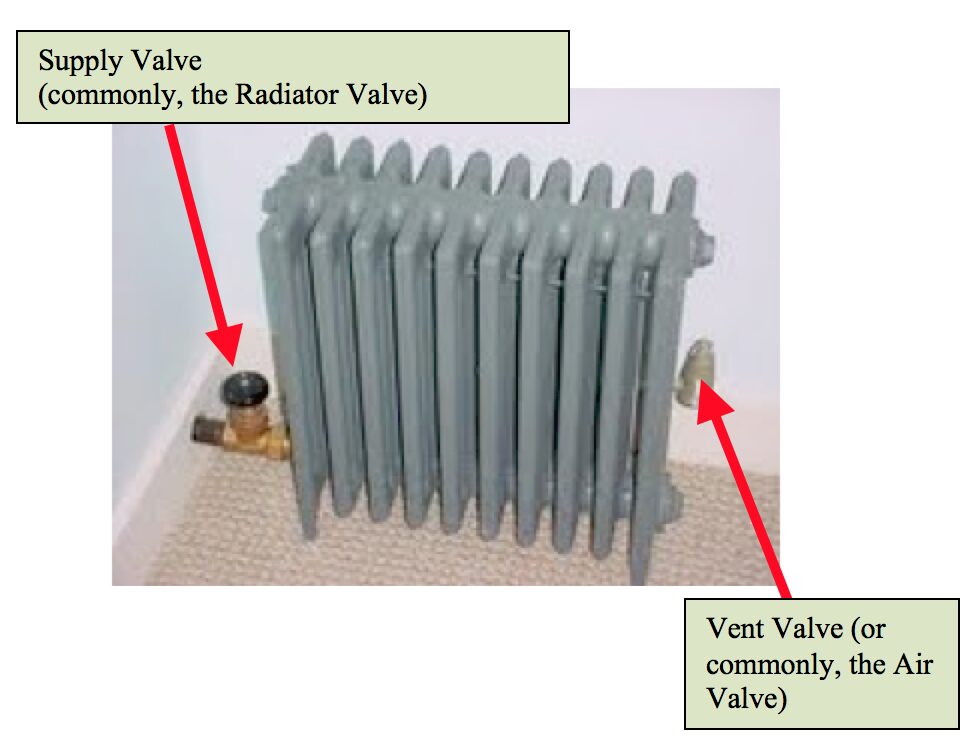
- Find the bleed valve: Look for the bleed valve, which is usually located on the side or top of the radiator. It may be marked with an arrow or have a small hole in it.
- Purchase a key: If you don’t already have one, buy a key that fits your bleed valve. These keys are usually available at hardware stores or online.
- Open the bleed valve: Use your key to turn the valve counterclockwise and open it.
- Place a container under the valve: Position a container, such as a mug or bucket, under the valve to catch any water that may spill out.
- Bleed the radiator: Slowly turn the bleed valve clockwise while listening for air escaping through the valve. You’ll know you’ve reached the end of the air pocket when the sound changes from hissing to gurgling.
- Close the bleed valve: Once you’ve bled the radiator, close the bleed valve and tighten it by turning it clockwise.
How to Check the Pressure in Your Central Heating System
After bleeding your radiators, it’s essential to check the pressure in your central heating system to ensure it’s within the recommended range. Here’s how:
- Locate the pressure gauge: Find the pressure gauge, which is usually located on the boiler or near the water tank.
- Check the pressure: Look at the pressure gauge and make sure the needle is in the middle position (usually between the minimum and maximum pressures).
- Adjust the pressure: If the needle is not in the middle position, you may need to adjust the pressure by turning the pressure regulator clockwise or counterclockwise.
Common Issues with Bleeding Radiators
Some common issues that can arise when bleeding radiators include:
- Air leaks: Air leaks can occur when the bleed valve is not closed properly or if the radiator is damaged.
- Water spills: Water spills can happen when the bleed valve is opened too quickly or if there’s a blockage in the pipe.
- Noisy pipes: Noisy pipes can be caused by air bubbles trapped in the system or by sediment buildup.
Tips for Bleeding Radiators
Here are some tips to help you bleed your radiators effectively:
- Use the right key: Make sure you’re using a key that fits your bleed valve to avoid damaging the radiator.
- Bleed slowly: Turn the bleed valve slowly while listening for air escaping through the valve to avoid creating more noise or mess.
- Check the pressure regularly: Regularly check the pressure in your central heating system to ensure it’s within the recommended range.
Conclusion
Bleeding radiators is a simple process that can help ensure your central heating system is working efficiently and effectively. By following these steps, you’ll be able to get rid of air pockets in your radiators and enjoy a more consistent and reliable heat supply.
FAQs
- What happens if I don’t bleed my radiators?
Bleeding radiators regularly can help prevent problems with the riscaldamento domestico, such as uneven heat distribution and noisy pipes. If you don’t bleed your radiators, you may encounter issues like inconsistent heat distribution, noisy pipes, and reduced efficiency. - When should I bleed my radiators?
It’s recommended to bleed radiators every year, ideally before the autumn season. However, if you’ve recently installed a new radiator or have noticed unusual noises or reduced performance, it’s best to bleed them as soon as possible. - How often should I bleed my radiators?
Bleeding radiators is usually done once a year, but you may need to do it more frequently if you’ve recently installed a new radiator or have noticed issues with the system. - Can I bleed my radiators myself?
Yes, bleeding radiators is a relatively simple process that requires some basic tools and knowledge. If you’re not comfortable doing it yourself, it’s recommended to hire a professional plumber who can do the job safely and efficiently.
Additional Resources
If you have any further questions or concerns about bleeding your radiators, we recommend consulting a professional plumber or checking out our other articles on central heating systems.
Some additional resources that may be helpful include:
- Manufacturer instructions: Check your radiator’s manufacturer instructions for specific guidance on how to bleed it.
- Plumber’s guides: Consult with a professional plumber who can provide you with personalized advice and assistance.
- Online forums: Join online forums or communities where you can ask questions and share experiences with other homeowners.


