
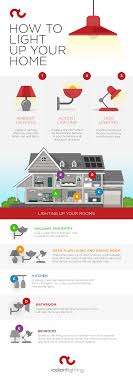
When it comes to illuminating your home, you’re not limited to artificial light sources alone. Natural light can also be harnessed using large windows and skylights. In this article, we’ll explore various solutions for lighting up your home.
Understanding Light Sources
There are two primary types of light sources: natural and artificial. Natural light is available during the day, while artificial light is used at night or when natural light isn’t sufficient. Let’s dive into each type:
Natural Light
Using large windows and skylights can bring an abundance of natural light into your home. This can be especially beneficial in areas with limited window space. Skylights, in particular, are great for illuminating spaces that receive direct sunlight.
Artificial Light Sources
Artificial light sources include LED lights, lamps, and lanterns. Each has its own advantages and disadvantages:
- LED Lights: Energy-efficient and cost-effective, LED lights use significantly less energy than traditional lighting options. They’re also available in a wide range of colors and can be controlled using smartphones.
- Lamps and Lanterns: Traditional lighting options like lamps and lanterns can add warmth and coziness to your home.
Choosing the Right Lighting Fixtures
When selecting lighting fixtures, consider the following factors:
- Purpose: What will you use the space for? (e.g., living room, kitchen, bedroom)
- Ambiance: Do you want a bright, airy feel or a cozy atmosphere?
- Light Color Temperature: Warm white light (2700K-3000K) is relaxing and comforting, while cool white light (3500K-4100K) is energizing.
Room-by-Room Lighting Solutions
Here’s how to illuminate different areas of your home:
Living Room
- General Lighting: Use table lamps or floor lamps to create a warm ambiance.
- Task Lighting: Add overhead lighting for tasks like reading or watching TV.
- Accent Lighting: Highlight decorative features with spotlights or sconces.
Kitchen
- General Lighting: Install overhead lighting to provide overall illumination.
- Task Lighting: Focus on specific areas, such as the cooking area or dining space.
- Ambient Lighting: Use pendant lights or chandeliers to create a warm and inviting atmosphere.
Bedroom
- General Lighting: Use table lamps or floor lamps to create a relaxing atmosphere.
- Task Lighting: Add overhead lighting for reading or other tasks.
- Accent Lighting: Highlight decorative features with spotlights or sconces.
Smart Lighting Solutions
Modern smart lighting systems allow you to control your lights remotely using smartphones. Some popular options include:
- Smart Light Bulbs: Replace traditional bulbs with energy-efficient LED options that can be controlled via Wi-Fi.
- Hub-Based Systems: Use a central hub to manage multiple light sources and automate lighting routines.
Outdoor Lighting
Don’t forget about outdoor lighting! Properly illuminated walkways, driveways, and patios can improve safety and curb appeal. Consider the following:
- Pathway Lighting: Install lights along pathways to provide safe and welcoming illumination.
- Accent Lighting: Highlight architectural features or decorative elements with spotlights or sconces.
Energy-Efficient Lighting Options
To reduce your energy consumption, consider these eco-friendly lighting options:
- LED Lights: Energy-efficient and long-lasting, LED lights are a great choice for residential lighting.
- Solar-Powered Lights: Harness the power of the sun to illuminate outdoor spaces.
- Smart Light Bulbs: Control your lights remotely and reduce energy waste with smart light bulbs.
Lighting Design Considerations
When designing your lighting plan, keep the following considerations in mind:
- Layered Lighting: Use a combination of light sources to create a layered effect, with ambient, task, and accent lighting.
- Color Temperature: Choose lights with a color temperature that complements your decor and provides the desired ambiance.
- Dimming: Consider installing dimmers to adjust lighting levels according to your needs.
Conclusion
Illuminating your home is an art, and the right combination of natural and artificial light sources can make all the difference. By considering factors like purpose, ambiance, and light color temperature, you’ll be well on your way to creating a warm, inviting space that suits your needs.
Frequently Asked Questions
- Q: What’s the best way to illuminate my living room?
A: Use table lamps or floor lamps for general lighting, add overhead lighting for tasks like watching TV, and highlight decorative features with accent lighting. - Q: How do I choose the right light bulb for my kitchen?
A: Consider factors like energy efficiency, color temperature, and wattage when selecting a light bulb for your kitchen. - Q: Can I control my smart lights remotely using my smartphone?
A: Yes, most modern smart lighting systems can be controlled via Wi-Fi or other mobile platforms.
By following these guidelines, you’ll be able to create a well-lit home that’s both functional and beautiful. Remember to consider your specific needs and preferences when choosing the right lighting fixtures for each room in your home.


