
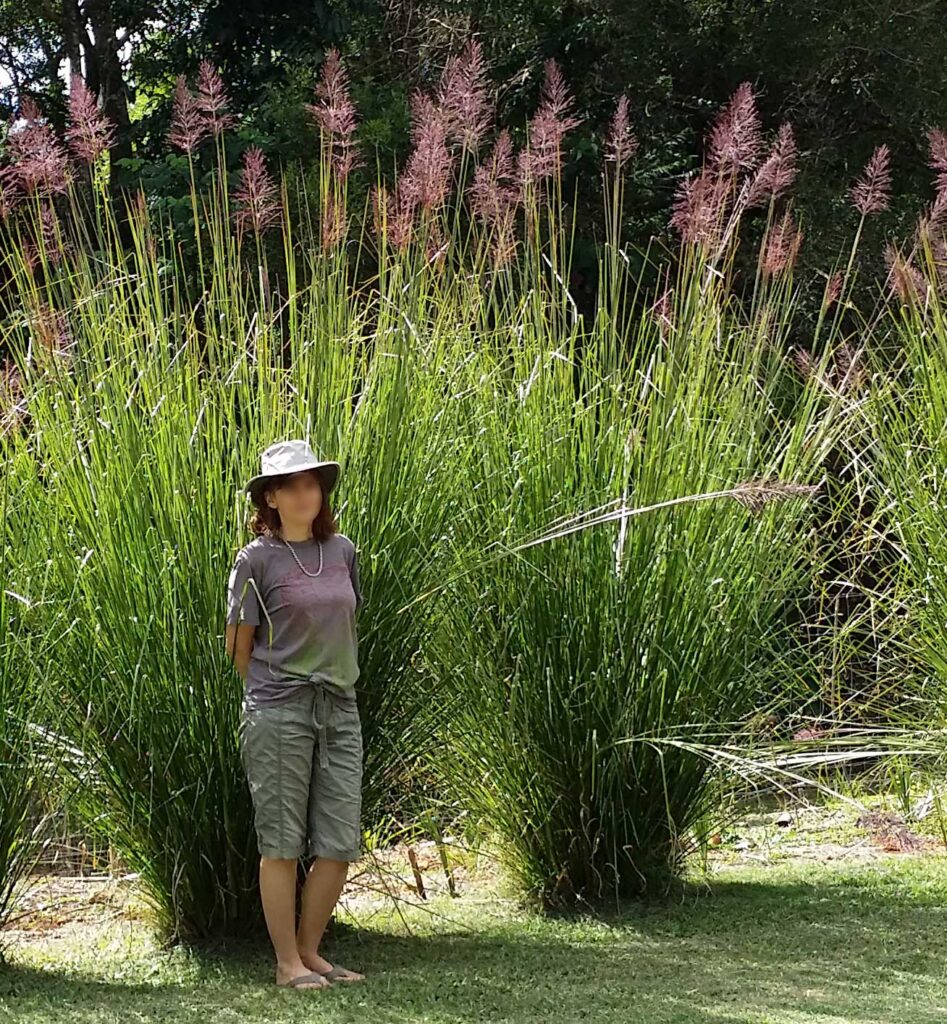
What is Vetiver?
Chrysopogon zizanioides, commonly known as vetiver, is a perennial herbaceous plant belonging to the family Poaceae. Native to India, this versatile plant has adapted well to the Mediterranean climate, making it widely cultivated in Italy and other regions for various purposes.
Physical Characteristics of Vetiver
Vetiver can grow up to 150 cm tall, with sturdy stems and long, thin leaves that are often dark green in color and slightly scaly. The flowers display a distinctive violet-brown color, which is an attractive feature for many gardeners. Unlike many other grasses, vetiver does not develop horizontal roots; its root system develops in depth, making it a popular choice in natural engineering.
Reproduction and Distribution
Vetiver’s seeds are sterile, which means this herbaceous plant is not considered invasive. Originating from India, vetiver has been extensively cultivated in tropical regions worldwide, including Pakistan, Sri Lanka, Myanmar, Thailand, and Indochina. It has also been naturalized in other areas, particularly in the United States.
Vetiver in Natural Cosmetics
Vetiver’s leaves yield a potent essential oil effective for skin care or aromatherapy use. The vetiver essential oil is known to have anti-inflammatory properties, which can help alleviate acne and other skin issues. Vetiver extracts are used in natural deodorants and cosmetics to create lotions for the body. The vetiver essential oil is not commonly found in stores; however, it can be purchased from specialized natural product outlets or online at an affordable price.
Benefits of Vetiver Essential Oil
The benefits of vetiver essential oil are numerous:
- Skin Soother: Vetiver oil has anti-inflammatory properties that can help soothe skin irritations and reduce redness.
- Natural Deodorant Alternative: The natural deodorizing properties of vetiver oil make it an excellent alternative to chemical-based products.
- Stress Relief: The calming scent of vetiver oil can promote relaxation and reduce stress levels.
- Hair Care: Vetiver oil is said to improve hair growth and strengthen hair follicles.
Vetiver in Ayurvedic Medicine
The vetiver essential oil is known for its strong scent, making it a popular choice in perfumery. Beyond the essential oil, the radish of vetiver is considered refreshing and astringent by Ayurveda, a traditional Indian medicine system widely practiced in the subcontinent. It is used as a natural remedy to alleviate symptoms such as burning sensations, fever, bile, sweating, ulcers, and blood-related issues.
Ayurvedic Uses of Vetiver
Vetiver has been used for centuries in Ayurvedic medicine due to its numerous health benefits:
- Digestive Issues: Vetiver is believed to aid digestion and alleviate symptoms such as bloating and gas.
- Blood Pressure Regulation: The astringent properties of vetiver are said to help regulate blood pressure.
- Skin Conditions: Vetiver oil is used topically to treat skin conditions such as acne, eczema, and dermatitis.
Vetiver in Natural Engineering
Due to its unique root system that extends 2-5 meters deep into the ground, vetiver is often employed in natural engineering to prevent soil erosion. This application of vetiver is referred to as the “vetiver system.” In environmental applications, vetiver is used for phytoremediation – cleaning contaminated water and soil from heavy metals, hydrocarbons, and other hazardous substances.
Phytoremediation with Vetiver
Vetiver’s ability to absorb pollutants makes it an excellent tool for phytoremediation. The plant can be grown in areas affected by pollution, absorbing toxic substances through its roots and storing them in its biomass. This natural process offers a sustainable solution for cleaning contaminated soil and water.
Benefits of Phytoremediation with Vetiver
The benefits of using vetiver for phytoremediation are:
- Environmental Sustainability: Phytoremediation with vetiver is an environmentally friendly approach to cleaning polluted sites.
- Cost-Effective: The use of vetiver can be more cost-effective than traditional remediation methods.
- Improved Soil Health: Vetiver’s root system helps improve soil health by reducing erosion and increasing soil fertility.
Conclusion
Vetiver’s diversity of uses underscores the importance of exploring nature’s diverse treasures. As we strive for sustainable solutions and holistic approaches to life, the value of vetiver can be seen not only as a functional plant but also as an environmental guardian. By embracing the power of vetiver, we can unlock new possibilities for natural engineering, cosmetics, and medicine, while promoting a healthier environment for future generations.
Additional Information
- Vetiver has been used in traditional Indian medicine systems for thousands of years.
- The plant is often used in combination with other herbs to enhance its therapeutic properties.
- Vetiver oil can be used as a natural insect repellent due to its strong scent.
- The vetiver plant is also known for its ability to absorb and store water, making it an excellent choice for areas prone to flooding.
Future Research Directions
- Further research on the medicinal properties of vetiver essential oil is needed to fully understand its benefits.
- The use of vetiver in phytoremediation applications requires more study to optimize its effectiveness.
- Investigations into the potential environmental impacts of large-scale vetiver cultivation are necessary to ensure sustainable practices.
Conclusion
Vetiver’s multifaceted nature makes it an attractive subject for further research and exploration. By understanding the diverse benefits of this versatile plant, we can unlock new possibilities for natural engineering, cosmetics, and medicine, while promoting a healthier environment for future generations.


