
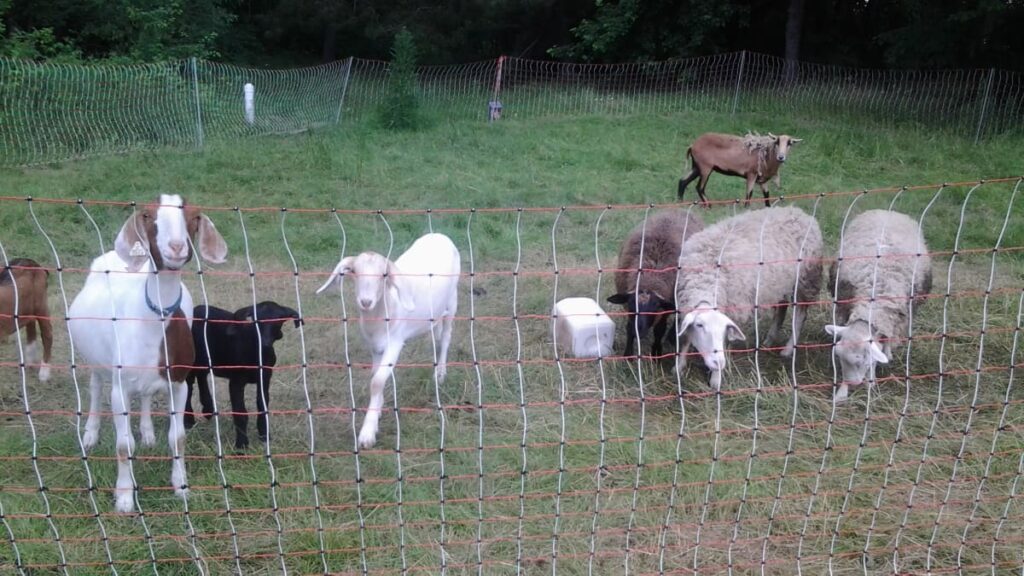
As a farmer or homeowner, protecting your crops and livestock from pests and predators is crucial to maintaining a healthy and thriving farm. One effective solution is electric fencing, which can be used to deter animals such as raccoons, coyotes, dogs, and others from entering an area.
In this article, we will explore the benefits of electric fencing for animal protection, discuss the costs and installation process, and provide tips on how to choose the right equipment for your needs.
What is Electric Fencing?
Electric fencing is a type of fencing that uses electricity to deter animals from crossing an area. The fencing consists of a wire or cable with electrical conductors embedded in it, which are connected to a power source and an insulator. When an animal comes into contact with the fence, the electric current is transmitted to its body, causing discomfort and deterring it from further attempts to cross.
Benefits of Electric Fencing
Electric fencing offers several benefits for farmers and homeowners:
- Effective deterrent: Electric fencing can be an effective way to deter animals from entering an area, reducing damage to crops and property.
- Easy installation: Compared to traditional fencing methods, electric fencing is relatively easy to install, especially with the use of DIY kits.
- Cost-effective: Electric fencing can be more cost-effective than traditional fencing methods, as it eliminates the need for physical barriers.
Costs and Installation
The cost of electric fencing varies depending on the type and quality of equipment used. Here are some approximate costs:
- DIY kits: €200-€500
- Commercial installations: €500-€2,000
To install electric fencing, you will need to follow these steps:
- Choose a suitable location for your fence, taking into account the terrain and any obstacles.
- Determine the length and width of your fence based on your needs.
- Select the type and quality of equipment (e.g., wire, insulators, power source) needed for your installation.
- Follow local regulations regarding electric fencing installations.
Types of Electric Fencing
There are several types of electric fencing available:
- Standard fencing: Suitable for most farms and homes, standard fencing consists of a single wire with electrical conductors embedded in it.
- High-tension fencing: Used for larger areas or more stubborn animals, high-tension fencing uses thicker wires and higher voltages to deter animals.
Altezza dei fili elettrici
The height of the wires affects the effectiveness of electric fencing. Here are some guidelines:
- Small animals (e.g., rabbits): 25-30 cm from the ground
- Medium-sized animals (e.g., sheep, goats): 50-60 cm from the ground
- Larger animals (e.g., horses, cows): 70-80 cm from the ground
Consigli per l’installazione
To ensure a safe and effective installation:
- Use multiple conductors to increase the electrical discharge.
- Position wires at least 5-8 meters apart.
- Use tondini metallici for added support.
- Install insulators according to local regulations.
Rete elettrificata per animali
Electric fencing is a popular solution for protecting crops and livestock from pests and predators. With proper installation and maintenance, electric fencing can provide effective deterrents against a wide range of animals.
FAQs
- What is the best type of wire to use for electric fencing?
The best type of wire for electric fencing depends on the terrain and local regulations. - How often should I check my electric fence for damage or wear?
Regularly inspect your electric fence for signs of damage, wear, or corrosion. - Can I use electric fencing to protect multiple areas at once?
Yes, you can use electric fencing to protect multiple areas at once by installing separate fences and connecting them to a single power source. - How do I choose the right size and strength for my fence?
Choose the right size and strength of your fence based on the terrain, animals, and local regulations.
Tips for Effective Electric Fencing Installation
Here are some additional tips to ensure effective electric fencing installation:
- Use insulated conductors to reduce shock hazards.
- Install multiple fences in a row for added protection.
- Make sure the power source is located away from water sources or potential hazards.
- Consider hiring a professional for complex installations.
Choosing the Right Equipment
When choosing equipment for your electric fencing installation, consider the following factors:
- Wire size and material: Thicker wires provide more durable and effective fencing.
- Insulators: Choose insulators that meet local regulations and ensure proper electrical connections.
- Power source: Select a power source that can handle the intended load and voltage requirements.
Common Issues with Electric Fencing
Some common issues to be aware of when using electric fencing include:
- Short circuits: Check for signs of wear, corrosion, or damage on your wire and connectors.
- Wire breaks: Regularly inspect your wire for signs of damage or wear.
- Insulator failure: Ensure that insulators are installed correctly and meet local regulations.
By following these guidelines, choosing the right equipment for your needs, and installing your electric fencing properly, you can effectively protect your crops and livestock from pests and predators using electric fencing.


