
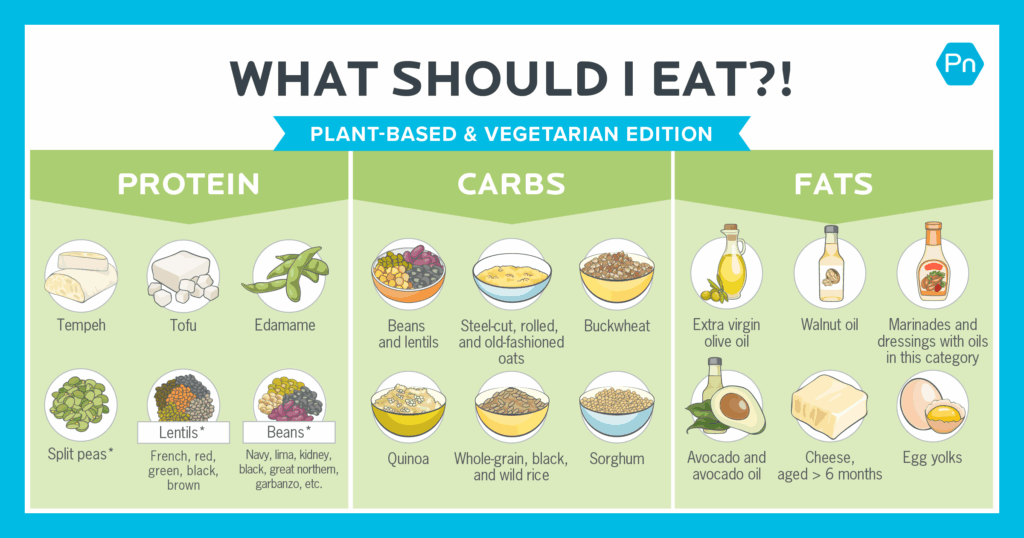
As a vegetarian, you’re likely wondering what foods are off-limits and which ones are okay to eat. This article will break down the basics of a vegetarian diet and provide guidance on what to include and exclude from your meal plan.
A Brief History of Vegetarianism
The term “vegetarian” was first used in 1839, but the concept of a plant-based diet is much older. In fact, ancient civilizations such as the Greeks and Romans ate vegetarian diets for reasons ranging from health to environmental concerns. The modern vegetarian movement gained momentum in the mid-19th century, with the establishment of the first Vegetarian Society in 1847.
What Can’t Vegetarians Eat?
Before we dive into what vegetarians can eat, let’s take a look at what they should avoid. Here are some common food groups that are off-limits:
- Meat: This includes beef, pork, lamb, and other types of red meat.
- Poultry: No chicken, turkey, or duck for vegetarians.
- Fish and Seafood: While some fish may be okay for vegetarians, many types of seafood are excluded from a traditional vegetarian diet.
But what about eggs and dairy? The answer depends on the type of vegetarian diet you’re following. We’ll explore that in more detail below.
Types of Vegetarian Diets
There are several types of vegetarian diets, each with its own set of rules and guidelines. Here’s a breakdown:
- Lacto-Ovo-Vegetarian: This is the most common type of vegetarian diet, which includes dairy products and eggs.
- Ovo-Vegetarian: This diet excludes meat, fish, poultry, and seafood but allows dairy products and eggs.
- Lacto-Vegetarian: This diet excludes meat, fish, poultry, and seafood but allows dairy products.
Can Vegetarians Eat Fish?
One of the most common misconceptions about vegetarianism is that vegetarians can eat fish. However, traditional vegetarian diets exclude all types of animal flesh, including fish.
However, there are some variations of the vegetarian diet that allow for fish consumption. For example:
- Pescetarian: This diet excludes meat and poultry but allows fish and seafood.
- Semi-Vegetarian: Some people follow a semi-vegetarian diet, which involves excluding only red meat and other types of animal flesh.
Why Become a Vegetarian?
There are many reasons why someone might choose to adopt a vegetarian diet. Here are some common motivations:
- Animal Welfare: Many vegetarians believe that animals should not be raised for food.
- Health Benefits: A well-planned vegetarian diet can provide numerous health benefits, including weight loss and reduced risk of chronic diseases.
- Environmental Concerns: Animal agriculture is a significant contributor to greenhouse gas emissions and deforestation.
Can Vegetarians Eat Mozzarella and Cheese?
Some vegetarians may wonder if they can still enjoy dairy products like mozzarella and cheese. Unfortunately, the answer is no. Most cheeses are made with animal rennet, which is derived from the stomach lining of young animals. However, there are some plant-based alternatives to traditional cheese that vegetarians can try.
Conclusion
A vegetarian diet can be a healthy, delicious, and satisfying choice for those who follow it. By understanding what foods are off-limits and what’s okay to eat, you can make informed decisions about your meal plan and enjoy the benefits of a well-planned vegetarian diet.
Frequently Asked Questions
Here are some answers to common questions about vegetarianism:
- Q: Can vegetarians still eat mozzarella?
A: No, traditional mozzarella is made with animal rennet, which means that vegetarians should avoid it. - Q: What types of cheese can vegetarians eat?
A: Many types of cheese are made without animal rennet, such as those labeled “vegetarian” or “plant-based.” - Q: Can vegetarians still eat eggs?
A: Yes, many vegetarians choose to include eggs in their diet. - Q: Is it okay for vegetarians to eat fish?
A: Some types of fish are considered vegetarian, but traditional vegetarian diets exclude all animal flesh, including fish. - Q: Can vegetarians still enjoy dairy products like milk and yogurt?
A: Yes, many vegetarians choose to include dairy products in their diet. - Q: Are there any health benefits to a vegetarian diet?
A: Absolutely! A well-planned vegetarian diet can provide numerous health benefits, including weight loss and reduced risk of chronic diseases. - Q: Can vegetarians still eat meat in social situations or with family members who don’t follow a vegetarian diet?
A: Yes, it’s perfectly fine to include meat in your diet when eating with others, even if they’re not following a vegetarian diet.
Tips for Eating Vegetarian
Here are some tips for making the transition to a vegetarian diet:
- Eat a variety of plant-based foods: Focus on whole grains, fruits, vegetables, and legumes.
- Incorporate protein sources: Nuts, seeds, beans, lentils, and tofu are all great options.
- Don’t forget about vitamin B12: This vitamin is found in animal products, so vegetarians may need to take supplements or eat fortified foods.
- Explore different cuisines: Vegetarian diets can be rich and flavorful, with options from around the world.
Conclusion
A vegetarian diet can be a healthy, delicious, and satisfying choice for those who follow it. By understanding what foods are off-limits and what’s okay to eat, you can make informed decisions about your meal plan and enjoy the benefits of a well-planned vegetarian diet.


