
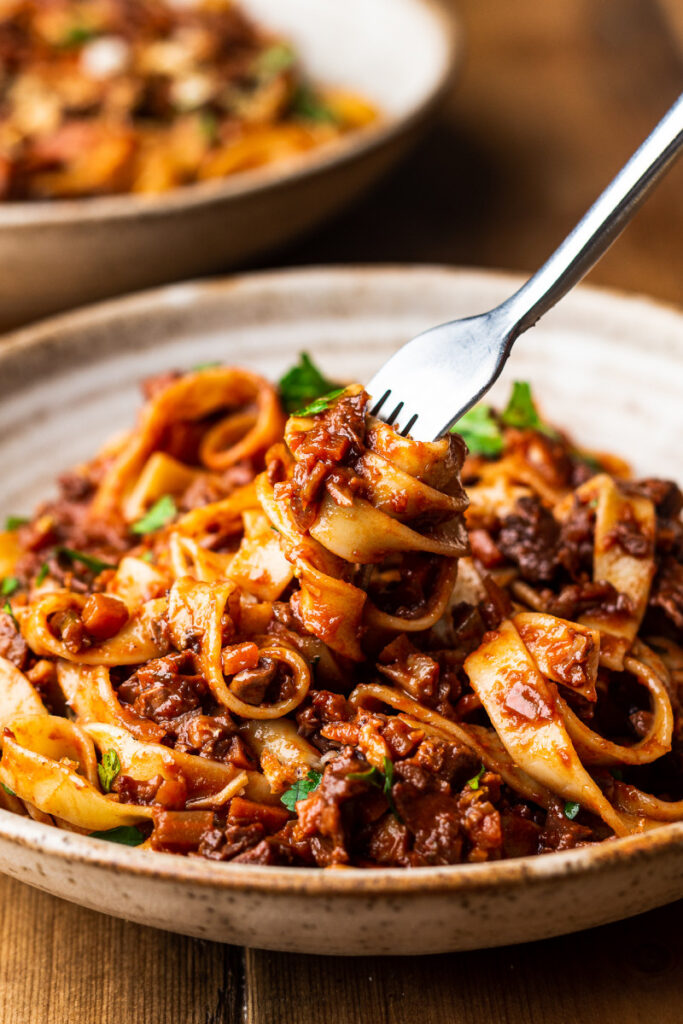
Vegan ragù is a versatile and flavorful dish that has gained popularity in recent years. This traditional Italian recipe can be easily adapted to suit vegan diets by substituting meat with plant-based ingredients such as soy, seitan, tempeh, or sun-dried vegetables. In this article, we will explore three different vegan ragù recipes: bolognese, genovese, and sun-dried vegetable ragù.
What is Vegan Ragù?
Vegan ragù is a type of pasta sauce originating from Italy, typically made with a combination of meat, tomatoes, and herbs. The traditional recipe involves slow-cooking the ingredients for several hours to create a rich and savory flavor profile. However, vegan versions of this dish can be just as delicious and satisfying, using plant-based alternatives to meat.
Adapting Classic Italian Recipes to Veganism
One of the benefits of vegan ragù is its adaptability. The classic Italian bolognese and genovese ragù recipes can be easily modified to suit vegan diets by substituting meat with soy, seitan, tempeh, or sun-dried vegetables. These plant-based ingredients offer a similar texture and flavor profile to meat, making them perfect for recreating the rich and savory flavors of traditional Italian dishes.
Vegan Bolognese Ragù Recipe
The first vegan ragù recipe we will explore is the bolognese version. This recipe uses granulated soy as the main ingredient, which can be rehydrated by soaking it in hot water or vegetable broth. The soy granules are then mixed with olive oil, celery, onion, carrot, and tomato passata to create a rich and flavorful sauce.
Here’s what you need for this recipe:
- 350g of granulated soy
- 1L of tomato passata
- 2 stalks of celery
- 1 carrot
- 1 onion
- 4 tablespoons of olive oil
- 1 cup of white wine
- Salt and pepper, to taste
To make the vegan bolognese ragù, rehydrate the soy granules by soaking them in hot water for 20 minutes. Then, sauté the trito (celery, onion, carrot) in olive oil until softened, followed by adding the rehydrated soy granules and white wine. Mix continuously as the wine simmers out, then reduce the heat again and add the tomato passata. Regulate the seasoning with salt and pepper, and let it cook for about 50 minutes at low heat.
Vegan Genovese Ragù Recipe
The genovese version of vegan ragù is similar to the bolognese recipe, but with a few differences in ingredients. This recipe uses granulated soy as the main ingredient, along with carrots, white onions, and red wine. The process is the same as before, with the soy granules being rehydrated and mixed with olive oil, celery, onion, carrot, and tomato passata.
Here’s what you need for this recipe:
- 250g of granulated soy
- 3 carrots
- 3 white onions large
- Half a cup of red wine to simmer
- Salt, pepper, and olive oil, to taste
Vegan Sun-Dried Vegetable Ragù Recipe (No Soy)
The sun-dried vegetable ragù recipe is a great option for those who prefer not to use soy or other plant-based protein sources. This recipe uses a combination of onion, celery, carrot, peas, and tomato concentrate to create a flavorful and nutritious sauce.
Here’s what you need for this recipe:
- 1 Onion
- 1 Celery stalk
- 1 Carrot
- 100g of peas
- 300ml of vegetable broth
- Salt and olive oil, to taste
- 300ml of tomato concentrate
To make the vegan sun-dried vegetable ragù, sauté the finely chopped vegetables (onion, celery, carrot) in olive oil until softened. Then, add two tablespoons of broth and wait for 3-4 minutes before adding the fresh peas and another spoonful of warm broth. Let it simmer for 10 minutes, stirring occasionally, and check if the bottom of the pan is dry. If so, add more broth.
Tips and Variations
- To enhance the flavor of your vegan ragù, you can add herbs such as basil or oregano.
- You can also use different types of vegetables, such as mushrooms, bell peppers, or eggplant, to add variety to your dish.
- For a creamier sauce, you can add a tablespoon or two of nutritional yeast or cashew cream.
- To make your vegan ragù more substantial, you can serve it over pasta, rice, or polenta.
Conclusion
Vegan ragù is a delicious and nutritious Italian dish that can be easily adapted to suit vegan diets. By using plant-based ingredients such as soy, seitan, tempeh, or sun-dried vegetables, you can recreate the rich and savory flavors of traditional Italian dishes without compromising on taste or nutrition.
Frequently Asked Questions
- What is the best type of soy to use in vegan ragù?
The best type of soy to use in vegan ragù depends on personal preference and the desired texture. Granulated soy, seitan, tempeh, or sun-dried vegetables can be used as alternatives to meat. - How long does it take to make vegan ragù?
Vegan ragù can be made in about 50-60 minutes, depending on the recipe and the cooking method used. - Can I use other plant-based protein sources instead of soy?
Yes, you can use other plant-based protein sources such as lentils, chickpeas, or mushrooms to make vegan ragù. - What is the difference between bolognese and genovese ragù?
Bolognese ragù is a meat-based sauce originating from Italy, while genovese ragù is a vegetarian version of the traditional recipe. - Can I use canned tomatoes instead of fresh tomatoes?
Yes, you can use canned tomatoes as an alternative to fresh tomatoes in vegan ragù recipes. - How do I rehydrate soy granules?
Soy granules can be rehydrated by soaking them in hot water or vegetable broth for 20 minutes. - Can I make vegan ragù ahead of time and refrigerate or freeze it?
Yes, you can make vegan ragù ahead of time and refrigerate or freeze it for later use. -
What are some common mistakes to avoid when making vegan ragù?
-
Overcooking the ingredients
- Not rehydrating the soy granules properly
- Using low-quality ingredients
Nutritional Information
Here is a breakdown of the nutritional information for each recipe:
- Vegan Bolognese Ragù Recipe:
- Calories per serving: 400-500
- Protein: 20g
- Fat: 15g
- Carbohydrates: 40g
- Vegan Genovese Ragù Recipe:
- Calories per serving: 350-450
- Protein: 18g
- Fat: 10g
- Carbohydrates: 30g
- Vegan Sun-Dried Vegetable Ragù Recipe (No Soy):
- Calories per serving: 250-300
- Protein: 12g
- Fat: 5g
- Carbohydrates: 25g
Conclusion
Vegan ragù is a delicious and nutritious Italian dish that can be easily adapted to suit vegan diets. With its rich flavors and versatility, it’s no wonder why this recipe has become a favorite among vegans and non-vegans alike. By following these recipes and tips, you can create your own vegan ragù at home and enjoy the many benefits of plant-based cooking.


