
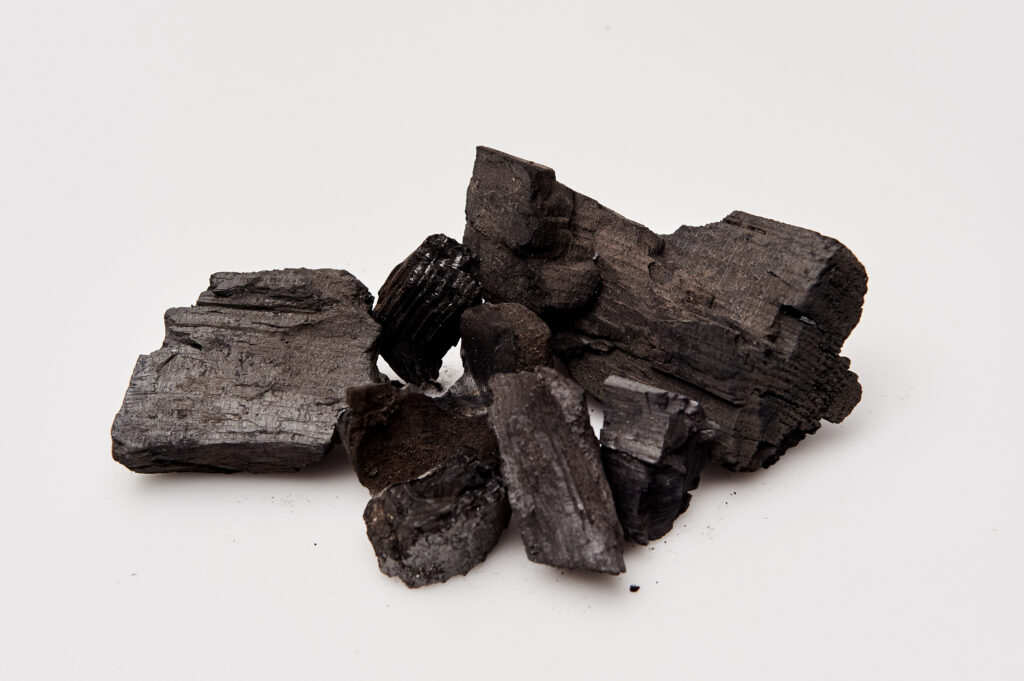
As the demand for natural remedies and healthy living continues to grow, one ingredient has gained popularity in recent years: activated charcoal. But what exactly is it, and how can it benefit your health? In this article, we’ll delve into the world of activated charcoal, exploring its history, properties, uses, and benefits.
What is Activated Charcoal?
Activated charcoal, also known as carbone attivo in Italian, is a powder made from organic materials such as wood, bamboo, or coconut shells. It’s produced through a process called activation, where the material is heated to high temperatures in the absence of oxygen, resulting in a highly porous and adsorbent substance.
History of Activated Charcoal
The use of activated charcoal dates back thousands of years, with evidence of its existence found in ancient civilizations such as Egypt and China. However, it wasn’t until the 19th century that activated charcoal became widely used for medical purposes. Today, activated charcoal is used globally for a range of applications, from food and pharmaceuticals to environmental remediation.
How is Activated Charcoal Produced?
The production process involves several steps:
- Material selection: Wood, bamboo, or coconut shells are selected as the raw materials.
- Activation: The material is heated to high temperatures (600-1200°C) in an oxygen-free environment.
- Processing: The activated charcoal is then treated with chemicals or natural agents to increase its surface area and adsorption capacity.
Properties of Activated Charcoal
Activated charcoal has a range of properties that make it useful for various applications:
- High porosity: Allows for effective absorption of substances.
- Strong adsorption capacity: Can attract and retain pollutants, toxins, and impurities.
- Neutral pH: Non-reactive and non-toxic.
Uses of Activated Charcoal
Activated charcoal has a wide range of uses across various industries:
1. Food Industry
- Decaffeination: Removes caffeine from coffee beans.
- Flavor enhancement: Used as a natural flavor enhancer in food products.
- Water filtration: Effective in removing impurities and contaminants.
2. Pharmaceutical Industry
- Medication absorption: Improves the bioavailability of certain medications.
- Detoxification: Supports liver function and detoxification processes.
3. Medical Applications
- Digestive issues: Relieves symptoms of constipation, diarrhea, and indigestion.
- Skin care: Used as a natural ingredient in face masks and skincare products.
- Oral health: Reduces bad breath and plaque buildup.
4. Environmental Applications
- Air purification: Effective in removing pollutants and particulate matter.
- Water treatment: Removes contaminants and impurities from drinking water.
- Soil remediation: Helps to remove heavy metals and other pollutants.
Benefits of Activated Charcoal
Activated charcoal has been shown to have a range of health benefits, including:
- Detoxification: Supports liver function and detoxification processes.
- Improved digestion: Relieves symptoms of constipation, diarrhea, and indigestion.
- Oral health: Reduces bad breath and plaque buildup.
- Weight loss: May help with weight loss by reducing bloating and improving digestion.
- Skin health: Used as a natural ingredient in face masks and skincare products.
How to Use Activated Charcoal
Activated charcoal can be used in various forms:
- Capsules: Available as dietary supplements.
- Food products: Used as ingredients in food products, such as energy bars and snacks.
- Drinking water: Can be added to drinking water for filtration and detoxification.
Precautions and Contraindications
While activated charcoal is generally considered safe, there are some precautions and contraindications to be aware of:
- Intestinal blockages: May cause constipation or intestinal blockages.
- Medication interactions: Can reduce the absorption of certain medications.
- Overuse: May lead to side effects such as stomach discomfort.
Conclusion
Activated charcoal is a versatile and effective natural remedy with a range of benefits. From improving digestion and reducing bloating to supporting oral health and detoxification processes, activated charcoal has proven itself to be a valuable addition to a healthy lifestyle. However, it’s essential to use it responsibly and under the guidance of a healthcare professional.
Frequently Asked Questions (FAQs)
- Q: What is the difference between activated charcoal and regular charcoal?
A: Activated charcoal is produced through a process that increases its porosity and adsorption capacity, making it more effective at removing impurities. - Q: Can I use activated charcoal as a treatment for acne?
A: While some people claim that activated charcoal helps to reduce acne, there is limited scientific evidence to support this use. - Q: Is activated charcoal safe for children?
A: Activated charcoal can be used in children under the guidance of a healthcare professional and with proper dosing instructions. - Q: Can I use activated charcoal as a substitute for conventional detoxification methods?
A: While activated charcoal can support detoxification processes, it is not a replacement for conventional medical treatment or advice. - Q: How do I choose the right quality of activated charcoal?
A: Look for products that are certified by reputable organizations, such as NSF International or the National Sanitation Foundation. - Q: Can I use activated charcoal to treat poisonings?
A: Activated charcoal may be used in certain cases of poisoning, but it’s essential to consult with a healthcare professional and follow proper treatment protocols. - Q: Is activated charcoal effective for weight loss?
A: There is limited scientific evidence to support the use of activated charcoal as a weight loss aid. - Q: Can I use activated charcoal in combination with other detoxification methods?
A: It’s essential to consult with a healthcare professional before combining activated charcoal with other detoxification methods or medications.
Common Uses of Activated Charcoal
Activated charcoal is used in a range of common applications, including:
- Water filtration: Removes impurities and contaminants from drinking water.
- Air purification: Effective in removing pollutants and particulate matter from the air.
- Skin care: Used as a natural ingredient in face masks and skincare products.
- Oral health: Reduces bad breath and plaque buildup.
Conclusion
In conclusion, activated charcoal is a versatile and effective natural remedy with a range of benefits. From improving digestion and reducing bloating to supporting oral health and detoxification processes, activated charcoal has proven itself to be a valuable addition to a healthy lifestyle. By understanding the properties, uses, and benefits of activated charcoal, you can make informed decisions about its incorporation into your lifestyle.
Recommendations
If you’re considering using activated charcoal, here are some recommendations:
- Consult with a healthcare professional: Before starting any new supplement or treatment.
- Start with a low dose: Begin with a small dose to assess tolerance and effectiveness.
- Combine with other treatments: If necessary, combine with other detoxification methods or medications under the guidance of a healthcare professional.
Final Thoughts
Activated charcoal is a natural remedy that has been used for thousands of years. Its versatility and effectiveness make it a valuable addition to a healthy lifestyle. By understanding its properties, uses, and benefits, you can make informed decisions about its incorporation into your daily routine.


