
Understanding Cat Colors and Genetics: A Comprehensive Guide
As we gaze into the eyes of a feline, it’s easy to get caught up in the idea that their color and pattern are directly related to their personality. However, this is not entirely accurate. The truth lies in the realm of genetics, where the complex interactions between genes and environment shape our beloved pets’ appearance.
In this article, we’ll delve into the world of cat colors and genetics, exploring the science behind these fascinating traits and debunking common myths about feline coat color patterns.
The Science Behind Cat Colors
Cat colors are determined by the interaction of multiple genes, which influence the production and distribution of melanin, the pigment responsible for hair color. While it’s true that certain coat patterns are more common in specific breeds, this is not a result of genetic predisposition but rather a consequence of genetic variation.
The genetics of cat colors is often misunderstood, leading to myths and misconceptions about the relationship between coat color and personality. For instance, some people believe that black cats are more aggressive or territorial, while others think that white cats are more affectionate. However, these associations have no scientific basis.
The Role of Genetics in Shaping Coat Color
Genetics play a crucial role in determining an individual cat’s coat color and pattern. The most significant factor influencing coat color is the interaction between the agouti gene, which controls the distribution of melanin, and other genes that regulate melanin production.
There are three primary types of melanin: eumelanin (black and dark brown), pheomelanin (red and yellow), and neuromelanin (involved in eye pigmentation). The interaction between these melanins determines an individual cat’s coat color, with different combinations resulting in various hues.
For example, a black cat has high amounts of eumelanin, while a white cat has little to no eumelanin. In contrast, a tabby cat has a mix of eumelanin and pheomelanin, resulting in the characteristic M-shaped pattern on their fur.
The Genetics of Eye Color
Cat eye color is also influenced by genetics, although the relationship between eye color and coat color is more complex. The genetics of eye color are primarily determined by genes that regulate the amount and distribution of melanin in the iris.
In some cases, eye color can be correlated with coat color, such as in cats with blue eyes or green eyes. However, this correlation is not absolute, and many other factors can influence eye color.
For instance, a cat with a blue coat may still have brown eyes due to the presence of other genes that regulate melanin production in the iris. Similarly, a white cat with blue eyes may have a genetic predisposition towards blue-eyedness despite their white coat.
The Genetics of Coat Pattern
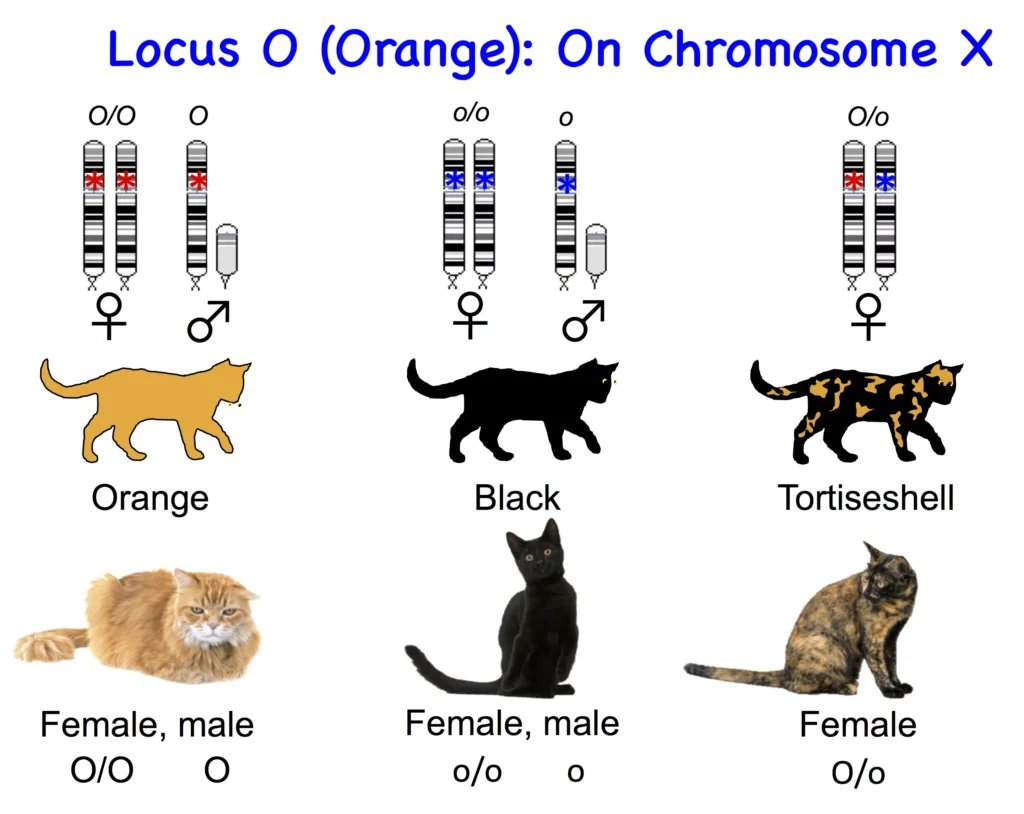
Cat coat patterns, including tabby, tortoiseshell, and calico, are determined by the interaction of multiple genes that regulate the distribution of melanin. The most significant factor influencing coat pattern is the agouti gene, which controls the banding or “M” shape on the cat’s fur.
In addition to the agouti gene, other genes such as the extension gene and the ticked gene also play a crucial role in determining coat patterns. These genes interact with each other to produce the complex patterns we see in cats.
Separating Fact from Fiction: Common Myths About Cat Colors
While it’s easy to get caught up in myths and misconceptions about cat colors, it’s essential to separate fact from fiction. Here are a few common myths debunked:
- Black cats are more aggressive or territorial due to their coat color.
- White cats are more affectionate due to their coat color.
- Gatto Certosino’s blue-gray coat color is the result of a unique genetic mutation.
In reality, these associations have no scientific basis and are likely the result of folklore and cultural influences.
Conclusion
Understanding cat colors and genetics can be complex, but it’s essential to separate fact from fiction. By recognizing the role of genetics in shaping our feline friends’ appearance, we can appreciate their unique characteristics and coat patterns with a newfound sense of respect and wonder.
As responsible pet owners, it’s crucial to recognize that every cat is an individual, with its own unique genetic profile and traits. By embracing this diversity and understanding the science behind cat colors and genetics, we can build stronger bonds with our feline companions and provide them with the best possible care.
Frequently Asked Questions (FAQs)
- Can cat colors be predicted based on parentage?
No, predicting cat color based on parentage is not accurate due to the complex interactions between genes. - Are certain cat colors more prone to health problems?
There is no conclusive evidence linking specific cat colors to increased susceptibility to health issues. - Can genetic testing predict a cat’s coat color or pattern?
Yes, genetic testing can identify specific genes associated with coat color and pattern variations. - Is it possible for a cat to “change” its coat color?
While cats cannot change their coat color dramatically, some individuals may exhibit changes in their fur color due to environmental factors or hormonal influences. - Can eye color be influenced by coat color?
Yes, the genetics of eye color can influence the appearance of eye color, although this relationship is complex and influenced by multiple genes. - How often do genetic mutations result in unique coat colors?
Genetic mutations are relatively rare, but they can occur in specific breeds or individuals with a predisposition to genetic variations. - Are there any breed-specific coat color patterns?
Yes, some breeds have distinctive coat color patterns due to selective breeding and genetic variation.
By understanding the science behind cat colors and genetics, we can build stronger bonds with our feline companions and provide them with the best possible care. Whether you’re a seasoned cat owner or just starting your journey, this comprehensive guide has everything you need to know about cat colors and genetics.


