
As we navigate the world of natural remedies, it’s essential to understand the potential benefits of linseed oil. This versatile oil, extracted from flaxseeds, has been a staple in traditional medicine for centuries. In this article, we’ll delve into the world of linseed oil, exploring its properties, uses, and guidelines for consumption.
What is Linseed Oil?
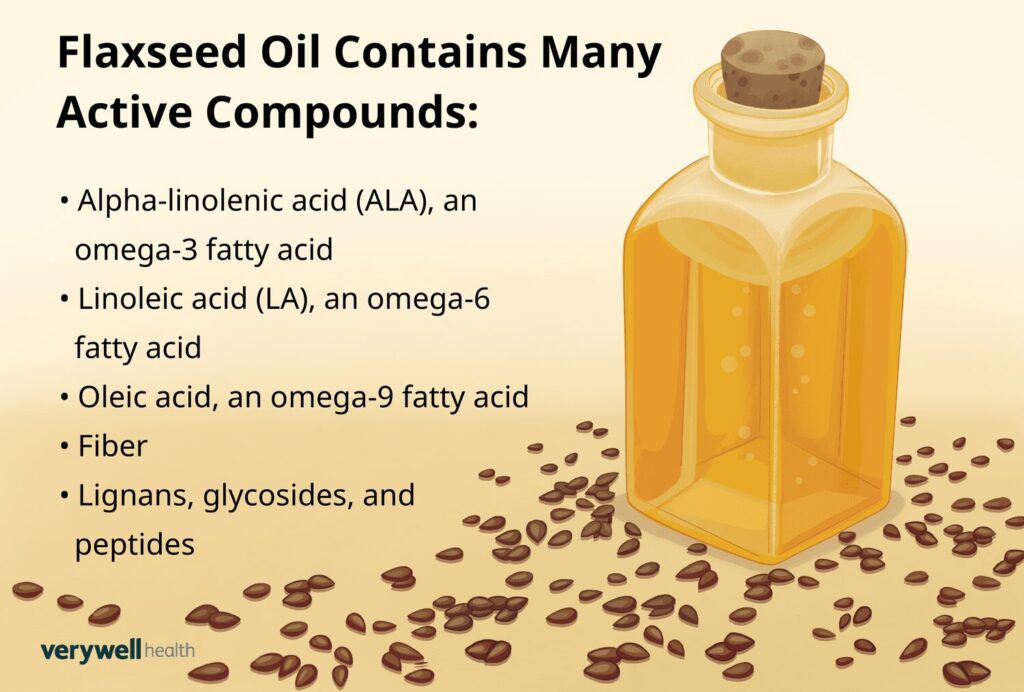
Linseed oil, also known as flaxseed oil, is rich in essential fatty acids, particularly omega-3, 6, and 9. When extracted at a cold temperature, it becomes a potent source of these beneficial fatty acids. This natural oil has been used for centuries to promote overall well-being.
The Therapeutic Properties of Linseed Oil
According to experts, linseed oil possesses several therapeutic properties:
- Blood Lipid Profile: Linseed oil can help regulate cholesterol levels in the blood.
- Hypertension and Diabetes: The oil is particularly beneficial for managing high blood pressure and diabetes due to its ability to improve insulin sensitivity.
- Metabolism: Consuming linseed oil may aid in improving metabolic function.
- Digestive Health: Linseed oil has been shown to alleviate symptoms of constipation, diarrhea, and stomach discomfort.
Using Linseed Oil
To reap the benefits of linseed oil, it’s recommended to consume it as a condiment or supplement. When used in cooking, linseed oil contains 57 grams of omega-3 fatty acids per 100 grams of product, making it an excellent choice for those seeking this essential nutrient.
How to Choose and Store Linseed Oil
When selecting linseed oil, look for the following:
- Cold-pressed: Ensure that the oil is cold-pressed or expeller-pressed to preserve its nutritional value.
- Biological production: Opt for biological products, which are free from additives and pesticides.
- Labeling: Check that the label includes “cold-pressed” or “worked at low temperature.”
Storage and Handling
To maintain the quality of linseed oil:
- Store it in a cool place (less than 20°C) to prevent degradation.
- Keep it away from direct sunlight, as this can cause oxidation.
Precautions and Contraindications
While linseed oil is generally considered safe, some individuals may experience side effects. If you’re considering using linseed oil:
- Consult a doctor: Before adding linseed oil to your diet or supplement routine, consult with a healthcare professional.
- Be aware of potential interactions: Linseed oil may interact with certain medications or exacerbate underlying health conditions.
Fatty Acid Profile and Health Benefits
Linseed oil contains the following essential fatty acids:
- Omega-3 (α-linolenic acid): Supports heart health, brain function, and reduces inflammation.
- Omega-6 (linoleic acid): Essential for skin health, hair growth, and as an antioxidant.
- Linoleic acid: Helps in reducing inflammation, improving cardiovascular health, and aiding in weight management.
Fatty Acid Ratio
The ideal fatty acid ratio is crucial when consuming linseed oil:
- Omega-6 to omega-3 ratio: Aim for a balanced ratio of approximately 1:1 or 2:1.
- Daily intake: Consume 2500mg to 3500mg of linseed oil per day, divided into two meals.
Cooking with Linseed Oil
When cooking with linseed oil:
- Add it towards the end of cooking time to avoid burning and preserving its nutritional value.
- Mix it with food products in moderation, as excessive consumption can lead to an imbalance in fatty acid levels.
Hair Care and Skincare Benefits
Linseed oil has been traditionally used for promoting healthy hair growth and improving scalp health:
- Moisturizes the scalp: Reduces dryness, flakiness, and itchiness.
- Promotes healthy hair: Strengthens hair follicles, improves elasticity, and reduces breakage.
Conclusion
Linseed oil is a potent natural remedy that offers numerous benefits for overall health and well-being. By understanding its properties, uses, and guidelines for consumption, you can unlock the full potential of this versatile oil. With proper storage and handling, linseed oil can become an essential addition to your natural healthcare routine.
Frequently Asked Questions
- What are the primary benefits of consuming linseed oil?
- Linseed oil has been shown to help regulate cholesterol levels, manage high blood pressure and diabetes, improve metabolic function, and alleviate digestive issues.
- How does linseed oil interact with other medications?
- Consult a healthcare professional before adding linseed oil to your diet or supplement routine, as it may interact with certain medications or exacerbate underlying health conditions.
- Can linseed oil be used for cooking?
- Yes, linseed oil contains 57 grams of omega-3 fatty acids per 100 grams of product, making it an excellent choice for those seeking this essential nutrient.
- How should I store and handle linseed oil?
- Store linseed oil in a cool place (less than 20°C) to prevent degradation and keep it away from direct sunlight.
- Can I use linseed oil if I have a medical condition or take medications?
- Consult a healthcare professional before adding linseed oil to your diet or supplement routine, as it may interact with certain medications or exacerbate underlying health conditions.
- What are the potential side effects of consuming linseed oil?
- Some individuals may experience diarrhea, gas, nausea, and stomach discomfort when consuming linseed oil.
- Can I use linseed oil for hair care?
- Yes, linseed oil is a popular natural remedy for promoting healthy hair growth and improving scalp health.
- How do I choose a high-quality linseed oil?
- Look for cold-pressed or expeller-pressed products, biological production, and clear labeling that includes “cold-pressed” or “worked at low temperature.”


