
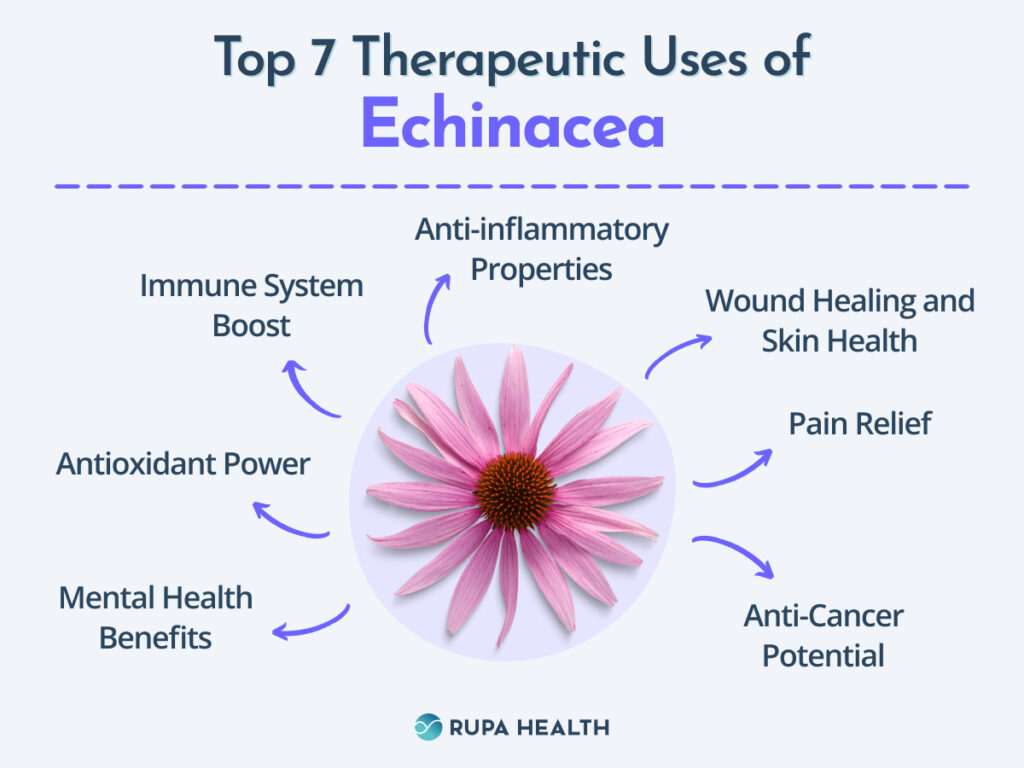
Echinacea, a flowering plant native to North America, has been used for centuries to boost the immune system and fight off infections. With its vibrant purple flowers and delicate petals, this ornamental plant is not only visually stunning but also packed with therapeutic properties.
What are the Properties of Echinacea?
The echinacea plant contains a range of compounds, including alkylamides, caffeic acid, and cinnamic acid, which have been shown to possess anti-inflammatory and immunostimulatory effects. These properties make it an effective natural remedy for treating various respiratory issues, such as colds, flu, and bronchitis.
History of Echinacea Use
Echinacea has been used in traditional medicine for centuries, particularly by Native American tribes who believed it had spiritual significance. The plant was also used by early European settlers to treat a range of ailments, including fever, rheumatism, and skin conditions.
How to Use Echinacea?
Echinacea can be used in a variety of forms, including:
- Tintura madre (mother tincture): An extract made from the plant’s roots, flowers, and leaves.
- Decotti fai da te (homemade decoctions): A tea made by steeping the plant’s roots in hot water.
- Pomate e gocce: Topical creams and ointments containing echinacea extracts.
Benefits of Echinacea
Echinacea has been shown to:
- Stimulate the immune system, helping to fight off infections
- Reduce inflammation and alleviate symptoms associated with respiratory issues
- Aid in wound healing and tissue regeneration
- Possess anti-viral properties, inhibiting the growth of certain viruses
What are the Different Types of Echinacea?
There are three main species of echinacea: E. pallida, E. angustifolia, and E. purpurea. Each has unique characteristics and benefits:
- Echinacea Purpurea: The most commonly used species, known for its anti-inflammatory and immunostimulatory effects.
- Echinacea Angustifolia: A less well-known species, but still effective in treating respiratory issues and promoting wound healing.
- Echinacea Pallida: A rare species, often used in traditional medicine to treat a range of ailments.
Precautions and Contraindications
While echinacea is generally considered safe, there are some precautions to be aware of:
- Allergic reactions: Rare but possible, especially for those with allergies.
- Autoimmune disorders: Avoid using echinacea if you have conditions like multiple sclerosis or rheumatoid arthritis.
- Pregnancy and breastfeeding: Consult your doctor before using echinacea during pregnancy or breastfeeding.
Echinacea in Pregnancy and Breastfeeding
Research has shown that echinacea is safe to use during pregnancy and breastfeeding, but it’s always best to consult with a healthcare professional before using any new remedies.
The Science Behind Echinacea
While the scientific evidence supporting echinacea is limited, there is some research suggesting its potential benefits:
- Anti-inflammatory effects: Studies have shown that echinacea extracts can reduce inflammation and alleviate symptoms associated with respiratory issues.
- Immunostimulatory effects: Echinacea has been shown to stimulate the immune system, helping to fight off infections.
Echinacea and Cancer
There is some evidence suggesting that echinacea may have anti-cancer properties, although more research is needed to confirm this. Some studies have found that echinacea extracts can inhibit the growth of certain types of cancer cells, including breast, lung, and colon cancer.
Echinacea and Autoimmune Disorders
While echinacea has been shown to stimulate the immune system, it may not be suitable for individuals with autoimmune disorders. This is because some autoimmune conditions involve an overactive or imbalanced immune response, which can be exacerbated by echinacea.
Contraindications and Interactions
Echinacea should be used with caution in certain situations:
- Bleeding disorders: Echinacea may increase the risk of bleeding in individuals with bleeding disorders.
- Diabetes: Echinacea may lower blood sugar levels, which can be problematic for individuals with diabetes.
- Medications: Echinacea may interact with certain medications, including immunosuppressants and chemotherapy agents.
Echinacea in Traditional Medicine
Echinacea has been used in traditional medicine for centuries to treat a range of ailments, including:
- Fever and rheumatism
- Skin conditions like eczema and acne
- Respiratory issues like bronchitis and asthma
Conclusion
Echinacea is a versatile plant with a range of therapeutic properties. Whether you’re looking to boost your immune system or treat respiratory issues, echinacea may be worth considering. However, always consult with a healthcare professional before using any new remedies, especially if you have underlying health conditions or allergies. With its rich history and potential benefits, echinacea is definitely worth exploring further.


