
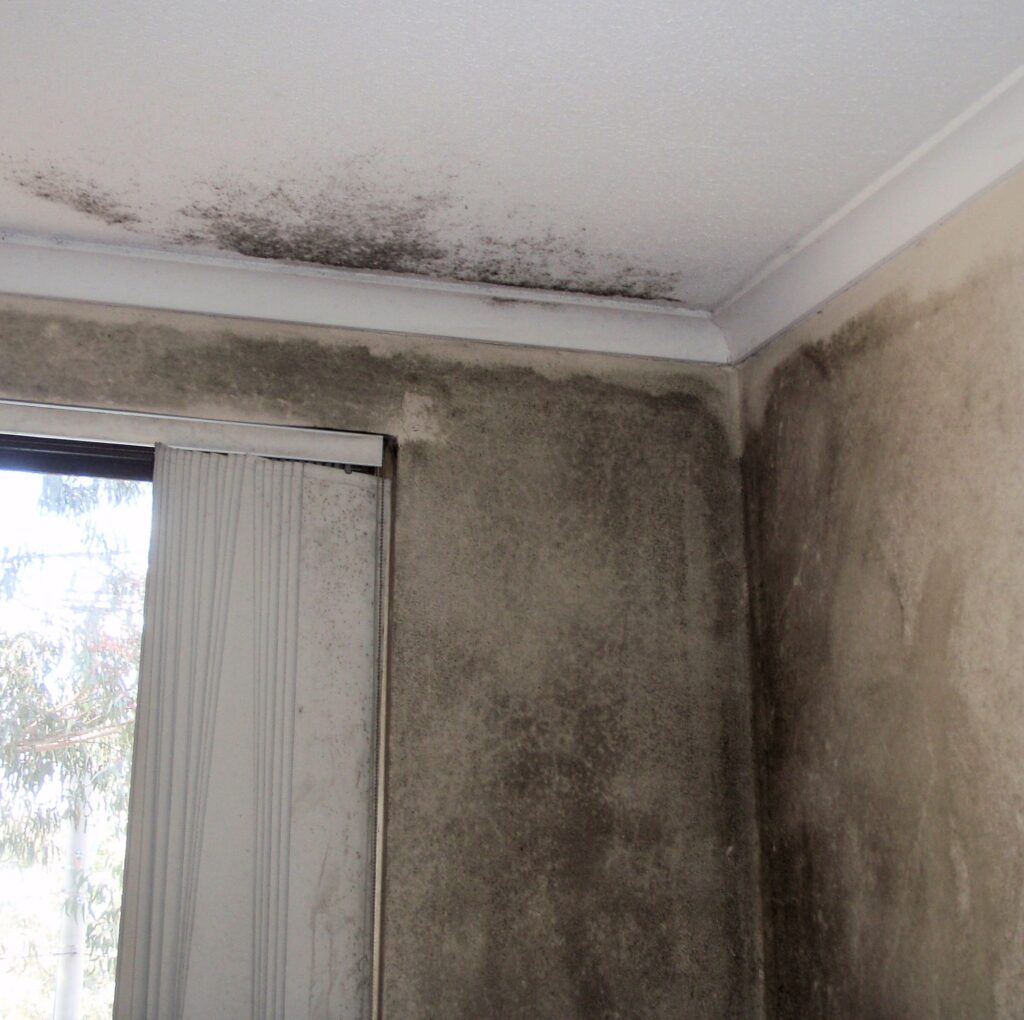
The Problem of Mold Stains and Thermal Bridges
Mold stains on walls have become a leading cause of disputes between buyers and sellers in the real estate sector, to the point where the term “mold damage” has been coined. But what causes mold stains on walls? Excluding the possibility of leaks from pipes or excessive humidity, there is always an issue with isolation due to errors in building design or construction that allow moisture to penetrate certain areas of the structure, leading to the formation of moldy and unpleasant stains.
One of the primary causes of mold stains is a lack of insulation within walls. In recent years, attention has been paid to energy performance in buildings, which has led to an increase in the use of insulation materials such as fiberglass, foam board, and cellulose. However, even with proper insulation, thermal bridges can still occur.
Thermal bridges are gaps or openings between two areas of a building that have different temperatures, allowing heat transfer and moisture accumulation. These gaps can be caused by various factors, including poor construction techniques, inadequate insulation, or structural elements such as beams and columns.
In many cases, mold stains on walls are concentrated in corners and joints, which suggests the presence of thermal bridges. This is because these areas are more prone to moisture accumulation due to the lack of insulation. Additionally, mold growth thrives in damp environments, making it essential to address thermal bridging issues promptly.
The Role of Insulation
Insulation plays a crucial role in preventing thermal bridging and mold stains on walls. Properly installed insulation can help reduce heat transfer between the interior and exterior of a building, minimizing moisture accumulation and reducing the risk of mold growth.
There are various types of insulating materials available, including:
- Fiberglass batts: These are widely used due to their affordability and ease of installation.
- Foam board insulation: This type of insulation is more expensive than fiberglass but provides better thermal performance.
- Cellulose insulation: This eco-friendly option is made from recycled paper products and can be installed in attics, walls, or floors.
When selecting an insulating material, it’s essential to consider factors such as R-value (thermal resistance), density, and moisture content. Bicomposed sughero (not the toasted one) is a popular choice among builders due to its resistance, permeability, and ecological benefits.
Identifying Thermal Bridges
To identify thermal bridges in your home, look for signs such as:
- Uneven heating or cooling: If your home feels warmer on one side than the other, it may indicate a thermal bridge.
- Condensation on walls: Water vapor can accumulate on walls due to heat transfer, causing condensation and potentially leading to mold growth.
- Mold stains: Visible signs of mold growth can indicate moisture accumulation, which is often caused by thermal bridging.
To detect thermal issues more effectively, consider consulting a thermographic IR scan. This non-invasive technique uses specialized cameras to capture the thermal image of your building, highlighting areas with temperature discrepancies.
Preventing Thermal Bridges
While it’s not possible to completely eliminate thermal bridges, there are steps you can take to prevent them:
- Ensure proper insulation: Install insulation materials according to manufacturer guidelines and local building codes.
- Seal gaps and openings: Caulk and weatherstrip around windows, doors, and other openings to prevent heat transfer.
- Use materials with low thermal conductivity: Choose materials for your home that have low thermal conductivity, such as low-E glass or radiant barrier roofing.
Correcting Thermal Bridges
Once a thermal bridge is identified, the corrective remedy is often an insulating blanket applied to the affected area. This involves installing a panel of insulating material covered by plaster, reinforced with armature, and completed with a finishing coat.
Insulating blankets can be custom-made or purchased pre-assembled. The choice of material depends on factors such as size, thickness, and thermal performance. Bicomposed sughero is a popular option due to its resistance, permeability, and ecological benefits.
When correcting thermal bridges, it’s essential to ensure proper installation to avoid further damage. Consult with a professional if you’re unsure about the process or lack experience in DIY projects.
Frequently Asked Questions (FAQs)
Q: What is thermal bridging?
A: Thermal bridging occurs when there is no insulation between two areas of a building with different temperatures, causing heat transfer and moisture accumulation.
Q: How do I identify thermal bridges in my home?
A: Look for signs such as uneven heating or cooling, condensation on walls, and mold stains. Consult a thermographic IR scan to detect thermal issues.
Q: Can I prevent thermal bridging?
A: Yes, by ensuring proper insulation and sealing gaps around windows and doors, and by using materials with low thermal conductivity.
Q: Is thermal bridging a health hazard?
A: Yes, it can lead to moisture accumulation, mold growth, and heat-related illnesses. It’s essential to address the issue promptly.
Q: How expensive is correcting thermal bridges?
A: The cost of insulation blankets can vary depending on size, material, and installation complexity. Consult with a professional for an accurate quote.
Q: What is the best material for insulating walls?
A: Bicomposed sughero (biscotto) is a popular choice due to its resistance, permeability, and ecological benefits.
Q: Can I DIY thermal bridging correction?
A: While it’s possible, it’s not recommended without proper training and equipment. Hire a professional to ensure correct installation and avoid further damage.
Conclusion
Thermal bridges in building design can cause mold stains on walls, posing health hazards and increasing energy costs. To prevent these problems, ensure that new buildings are well-insulated, and pay attention to structural elements during construction. When buying an existing property, request thorough guarantees from the seller to avoid costly surprises.
By understanding thermal bridging issues and taking proactive steps, you can create a healthier, more energy-efficient living space for yourself and your family.


