
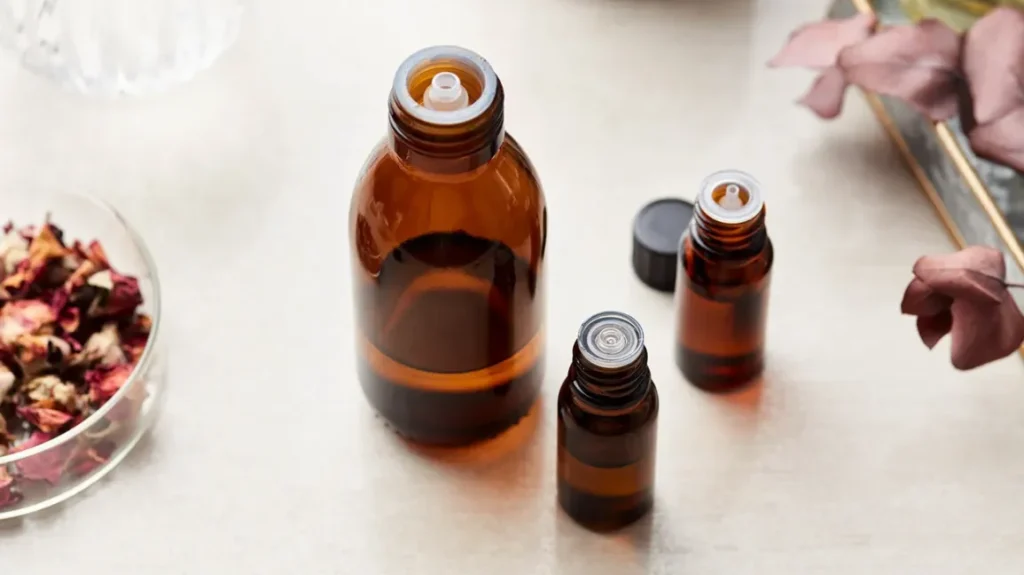
Muscle pain, menstrual cramps, rheumatic pain, and headaches are common symptoms that can significantly impact our quality of life. However, with the rise of natural remedies, many people have turned to essential oils as a safe and effective way to alleviate these types of pain.
In this comprehensive guide, we will delve into the world of essential oils for pain relief, exploring their history, properties, and uses. We’ll also discuss common carrier oils, essential oil blends, and recipes to help you get started on your natural pain relief journey.
The History of Essential Oils for Pain Relief
Essential oils have been used for centuries to treat various ailments, including pain. From ancient civilizations such as Egypt and Greece to modern times, essential oils have been a trusted remedy for relieving muscle tension, joint pain, and menstrual cramps.
One of the earliest recorded uses of essential oils for pain relief dates back to the Ebers Papyrus, an ancient Egyptian medical text that describes the use of cedar oil to treat various ailments, including pain and inflammation. Similarly, in ancient Greece, physicians used herbal remedies such as lavender oil to relieve pain and promote relaxation.
Understanding Essential Oils
Essential oils are concentrated plant extracts that can be used topically or internally to treat a variety of health issues. However, it’s essential to understand the properties and potential risks associated with each essential oil before using them for pain relief.
Here are some key factors to consider when selecting an essential oil:
- Concentration: Essential oils are highly concentrated plant extracts that can be potent allergens or irritants. Always dilute essential oils with a carrier oil before applying them topically.
- Allergic reactions: Some people may experience allergic reactions or sensitivities to certain essential oils. Perform a patch test before using any new essential oil, and start with small amounts.
- Interactions: Essential oils can interact with medications, including blood thinners, diabetes medications, and sedatives. Always consult with a healthcare professional before using essential oils, especially if you’re taking prescription medication.
Carrier Oils: The Key to Essential Oil Success
The type of carrier oil used depends on the specific use. Sweet almond oil is a popular choice due to its emollient and hydrating properties, while grapeseed oil is also recommended for treating various types of pain.
Here are some key differences between sweet almond oil and grapeseed oil:
- Sweet Almond Oil:
- Price: Generally more expensive
- Where to buy: Available at most health food stores or online
- Benefits: Emollient, hydrating, and moisturizing
- Applications: Muscle pain, joint pain, menstrual cramps, and relaxing muscles
- Grapeseed Oil:
- Price: Generally less expensive
- Where to buy: Available at most health food stores or online
- Benefits: Lightweight, non-greasy, and easily absorbed
- Applications: Menstrual cramps, leg strain, muscle pain
Essential Oils for Pain Relief
Now that we’ve covered the basics of carrier oils, let’s dive into some essential oils that can help alleviate different types of pain.
Essential Oils for Muscle Pain and Rheumatic Pain
- Chai Seed Oil: Has a powerful analgesic effect and can relieve muscle and rheumatic pain.
- Cantharidin Oil: Rich in cineole, which has anti-inflammatory properties, making it suitable for treating muscle and joint pain.
Essential Oils for Toothaches and Oral Afflictions
- Chai Seed Oil: The active principles in chai seed oil make it an excellent natural pain reliever for toothaches and other oral issues (toothache, aphthae, stomatitis, gum inflammation).
Essential Oils for Spasms, Cramps, Distensions, and Joint Arthralgia
- Lavender Oil: Can be used to relax spasms, cramps, and joint arthralgia. It’s also a gentle sedative when massaged.
Combining Essential Oils with Epsom Salt Baths
A relaxing Epsom salt bath can help alleviate pain and reduce inflammation. Simply fill the bathtub, add a few drops of essential oil to a handful of Epsom salt, and enjoy!
Recipe: Mix 3ml of cantharidin oil with 10ml of sweet almond oil for a cream that can be used to treat distensions, pains, and muscle tears.
Essential Oils against Migraines and Chronic Headaches
- Lavender Oil: Can help alleviate migraines when combined with peppermint oil.
- Peppermint Oil: Has a cooling effect on the skin, which can help relieve tension headaches.
Recipe: Mix 10 drops of lavender oil and 2 drops of peppermint oil with 50ml of sweet almond oil for a natural remedy that can be applied to the temples.
Essential Oils for Menstrual Cramps and Stomach Issues
- Dragon’s Scale Oil: Can help alleviate abdominal spasms (cramping, menstrual cramps, and stomach issues).
- Melissa Oil: Can be used to relax muscle tension and treat menstrual cramps.
Recipe: Mix 3ml of Melissa essential oil with 3ml of Dragon’s Scale oil and 30ml of grapeseed oil for a natural cream that can be applied topically.
Where to Buy Essential Oils
If you’re interested in trying out some of these essential oils, here are some popular places where you can find them:
- Online Health Food Stores: Amazon, Thrive Market
- Local Health Food Stores: Visit your local health food store or vitamin shop
Safety Precautions and Contraindications
While essential oils can be a safe and effective way to alleviate pain, there are certain safety precautions and contraindications to be aware of:
- Allergic reactions: Some people may experience allergic reactions or sensitivities to certain essential oils. Perform a patch test before using any new essential oil, and start with small amounts.
- Interactions: Essential oils can interact with medications, including blood thinners, diabetes medications, and sedatives. Always consult with a healthcare professional before using essential oils, especially if you’re taking prescription medication.
- Pregnancy and breastfeeding: Some essential oils may not be safe for pregnant or breastfeeding women. Consult with a healthcare professional before using any new essential oil during this time.
Conclusion: Essential Oils for Pain Relief
Pain is a symptom that should be treated as such. If the symptom persists or worsens, don’t hesitate to contact your trusted doctor. But before you do, try using essential oils to alleviate pain and reduce inflammation. With the right carrier oil, blend, and recipe, essential oils can provide a natural and effective way to manage pain and promote overall well-being.
Frequently Asked Questions: Essential Oils for Pain Relief
- Can I use essential oils on broken skin?
- No, it’s not recommended to use essential oils on broken skin. Always dilute the essential oil with a carrier oil and do a patch test before using.
- How often can I use essential oils for pain relief?
- It’s recommended to use essential oils 2-3 times a day, as needed.
- Can I take essential oils internally?
- No, it’s not recommended to take essential oils internally without consulting with a healthcare professional first.
- Are all essential oils safe for pain relief?
- No, some essential oils may be contraindicated or cause allergic reactions in certain individuals. Always consult with a healthcare professional before using essential oils for pain relief.
- Can I use essential oils on pets?
- Yes, but always dilute the essential oil with a carrier oil and consult with a veterinarian before using.
- How long does it take to see results from using essential oils for pain relief?
- Results may vary depending on individual factors, such as the severity of pain and the quality of the essential oil used. It’s recommended to start with small amounts and gradually increase as needed.
By following these guidelines and taking the necessary safety precautions, you can safely and effectively use essential oils to alleviate pain and promote overall well-being.


