
Watering potted plants can be a daunting task, especially for beginners. But with the right approach, you can ensure your plants receive the necessary amount of water to thrive. In this article, we’ll delve into the world of watering potted plants and explore the key factors that determine when and how much to water.
The Importance of Water in Plant Growth
Water is a vital element for plant growth, just like light. Plants need water to carry out their basic functions, such as photosynthesis and nutrient uptake. However, not all plants require the same amount of water, and the type of plant can significantly impact its watering needs.
Understanding Your Plant’s Water Needs
When it comes to watering potted plants, understanding your plant’s specific needs is crucial. Two key factors to consider are:
- Soil Characteristics: Different soils have varying levels of moisture retention, which affects how often a plant needs to be watered.
- Environmental Conditions: Temperature and humidity levels in the surrounding environment can impact a plant’s water requirements.
The Risks of Overwatering
Overwatering is one of the most common mistakes made when caring for potted plants. When soil is consistently waterlogged, it can lead to root rot, nutrient deficiencies, and other problems that can be difficult to recover from.
Choosing the Right Watering Schedule
The best time to water your potted plants depends on various factors, including the type of plant, soil moisture levels, and environmental conditions. In general, it’s recommended to water in the morning to allow the plants to dry slightly before nightfall, reducing the risk of fungal infections.
Watering Tools: Choosing the Right One
When it comes to watering potted plants, choosing the right tool is essential. Two popular options are:
- Drip Irrigation Systems: These systems deliver water directly to the roots, reducing evaporation and runoff.
- Soaker Hoses: These long, porous hoses can be placed at soil level to provide a slow, consistent release of water.
DIY Watering Systems: A Cost-Effective Solution
For those on a budget or looking for a low-maintenance solution, building your own watering system can be a cost-effective option. You can create a simple drip irrigation system using PVC pipes and fittings, or use a soaker hose to deliver water directly to the roots.
Tips for Effective Watering
To ensure you’re providing the best possible care for your potted plants, follow these tips:
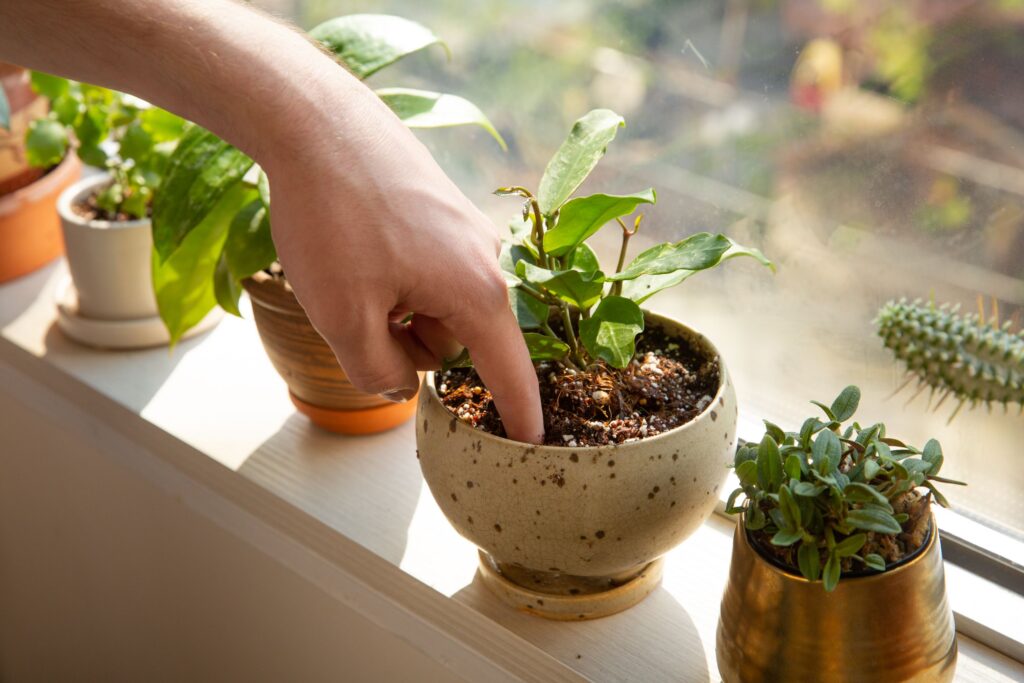
- Check Soil Moisture Levels: Before watering, stick your finger into the soil up to the first knuckle. If the soil feels dry, it’s time to water.
- Avoid getting water on leaves or flowers to prevent fungal infections and promote healthy growth.
- Use room-temperature water for optimal absorption.
- Monitor plant responses to watering and adjust accordingly.
Common Mistakes to Avoid
To avoid common mistakes when caring for potted plants, be aware of the following:
- Overwatering: Be cautious not to overwater your plants, as this can lead to root rot and other problems.
- Underwatering: Make sure to water your plants regularly, especially during hot weather or in dry environments.
- Incorrect Watering Schedule: Adjust your watering schedule based on the specific needs of each plant.
Conclusion
Watering potted plants can seem daunting, but with the right approach, you can provide your plants with the necessary care to thrive. By understanding your plant’s specific needs, choosing the right watering tool, and following effective watering tips, you’ll be well on your way to becoming a successful plant parent.
Frequently Asked Questions
- Q: How often should I water my potted plants?
A: Check soil moisture levels before watering. If the top inch of soil feels dry, it’s time to water. - Q: Can I water my potted plants in the evening?
A: It’s generally not recommended to water in the evening, as this can encourage fungal growth overnight. - Q: What is the best watering tool for potted plants?
A: Drip irrigation systems and soaker hoses are popular options, but choose one that suits your plant’s specific needs. - Q: How do I know if my plant is overwatered?
A: Check for yellowing leaves, soft stems, and a sour smell. If you notice these symptoms, reduce watering frequency immediately. - Q: Can I use tap water for potted plants?
A: Tap water can be too alkaline for some plants. Consider using filtered or distilled water instead. - Q: How do I prevent root rot in potted plants?
A: Avoid overwatering, ensure good drainage, and prune infected roots to promote healthy growth. - Q: What are the benefits of using a self-watering planter?
A: Self-watering planters can reduce watering frequency, minimize water waste, and provide optimal soil moisture levels.
By following these tips and understanding your plant’s specific needs, you’ll be well on your way to becoming a successful plant parent.


