
The Cypresses: A Season of Bloom and Allergy
Introduction
The cypress tree is a majestic and elegant species that has been a symbol of beauty and refinement for centuries. Its conical shape, slender branches, and silvery-green foliage make it a popular choice for landscaping and gardening. However, its flowering period can also have a significant impact on individuals who suffer from allergies to pollen or seasonal allergies.
The cypress tree is a monoecious species, meaning it produces both male and female flowers. While its flowering event may not be spectacular, it can have a significant impact on individuals who suffer from allergies to pollen or seasonal allergies.
Understanding the Flowering Period of Cypress Trees
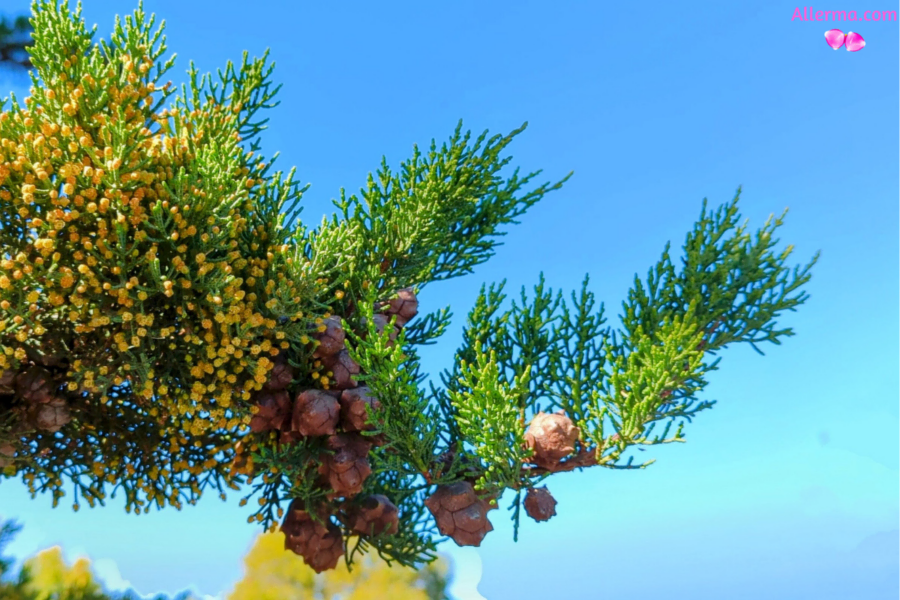
The cypress tree produces male and female flowers on separate branches. The male flowers are much more numerous and form at the tips of younger branches in late winter to early spring (around February-March). The flowering period of the cypress can vary slightly depending on the climate of the season.
The male flowers are distinctive due to the small sacs of yellow color that open up, releasing large amounts of pollen. It is only these male flowers that cause problems for those with allergies to cypress pollen or other trees.
On the other hand, the female flowers are less numerous and have a more rounded shape, with a violet color. They also form on younger branches, but their peduncles (the stalks that attach the flowers to the branch) are shorter than those of the male flowers.
The Impact of Cypress Trees on Allergy Sufferers
For individuals who suffer from allergies, the cypress tree’s presence can be devastating. These trees are widely cultivated in Italy and can be found throughout the countryside, defining the borders between fields and roads. Even urban areas have cypress trees planted as a symbol of their beauty – many people have seen the famous cypress-lined streets of Bolgheri (Livorno) and San Guido.
Despite its beauty, the cypress tree’s flowering period can cause problems for those with allergies. The symptoms are classic: nasal congestion, conjunctivitis, throat inflammation, coughing, and in rare cases, asthma. Fortunately, cypress pollen allergy does not trigger fruit allergies.
The Symptoms of Cypress Pollen Allergy
The symptoms of cypress pollen allergy can vary from person to person, but they typically include:
- Nasal congestion: This is one of the most common symptoms of cypress pollen allergy. The nasal passages become congested, making it difficult to breathe through the nose.
- Conjunctivitis: Cypress pollen can cause eye irritation and inflammation, leading to redness, itching, and tearing.
- Throat inflammation: Some people may experience throat inflammation or a scratchy feeling in the throat due to cypress pollen exposure.
- Coughing: Coughing is another common symptom of cypress pollen allergy. The cough can be dry and persistent, making it difficult to sleep.
Treatment Options for Cypress Pollen Allergy
The treatment of cypress pollen allergy is similar to that of other forms of hay fever. Medications such as antihistamines and cortisone sprays can be used for nasal symptoms like rinitis (runny nose), while bronchodilators are prescribed for coughing.
In severe cases where the allergy triggers asthma, a cycle of corticosteroid medications may be recommended. Corticosteroids help to reduce inflammation in the airways and prevent asthma attacks.
Natural Remedies for Cypress Pollen Allergy
For those with conjunctivitis caused by cypress pollen, protection is key. Wearing a hat and sunglasses can provide some protection, but there are also specialized vaccines that can make the affected area less sensitive to cypress pollen. If you suspect you have been exposed to cypress pollen and experience eye irritation, it’s essential to consult with an allergist who can administer a targeted test.
To prevent and alleviate symptoms of cypress pollen allergy, natural remedies can be effective. Some options include:
- Quercetin: This flavonoid has anti-inflammatory properties and can help to reduce congestion and inflammation in the airways.
- Nettle leaf: Nettle leaf is rich in antioxidants and has anti-inflammatory properties that can help to alleviate symptoms of cypress pollen allergy.
- Local honey: Consuming small amounts of local honey can help to build up a tolerance to local allergens, including cypress pollen.
Conclusion
The cypress tree’s flowering period may not be spectacular, but it can have a significant impact on individuals who suffer from allergies. Understanding the flowering period of cypress trees and taking steps to prevent and alleviate symptoms can make all the difference for those with cypress pollen allergy.
As we continue to explore the world of plants and their relationship with human health, it’s essential to consider the potential impact of these natural wonders on our daily lives.
Image Credits
- Cypresses on the shores of Lake Garda
- Cypresses at Sant’Antimo, Tuscany
- Cypress-lined road in Bolgheri (Livorno)
Author Bio
Anna De Simone is a freelance writer and social media enthusiast. Follow her on Twitter, Facebook, Google+, or Instagram to stay up-to-date with her latest articles and photography.
Published on July 6, 2015
Additional Resources
- American Academy of Allergy, Asthma & Immunology (AAAAI)
- National Institute of Environmental Health Sciences (NIEHS)
- European Academy of Allergology and Clinical Immunology (EAACI)
Note: The additional resources provided are for informational purposes only and should not be considered as medical advice. If you have any concerns about allergies or other health issues, please consult with a qualified healthcare professional.


