
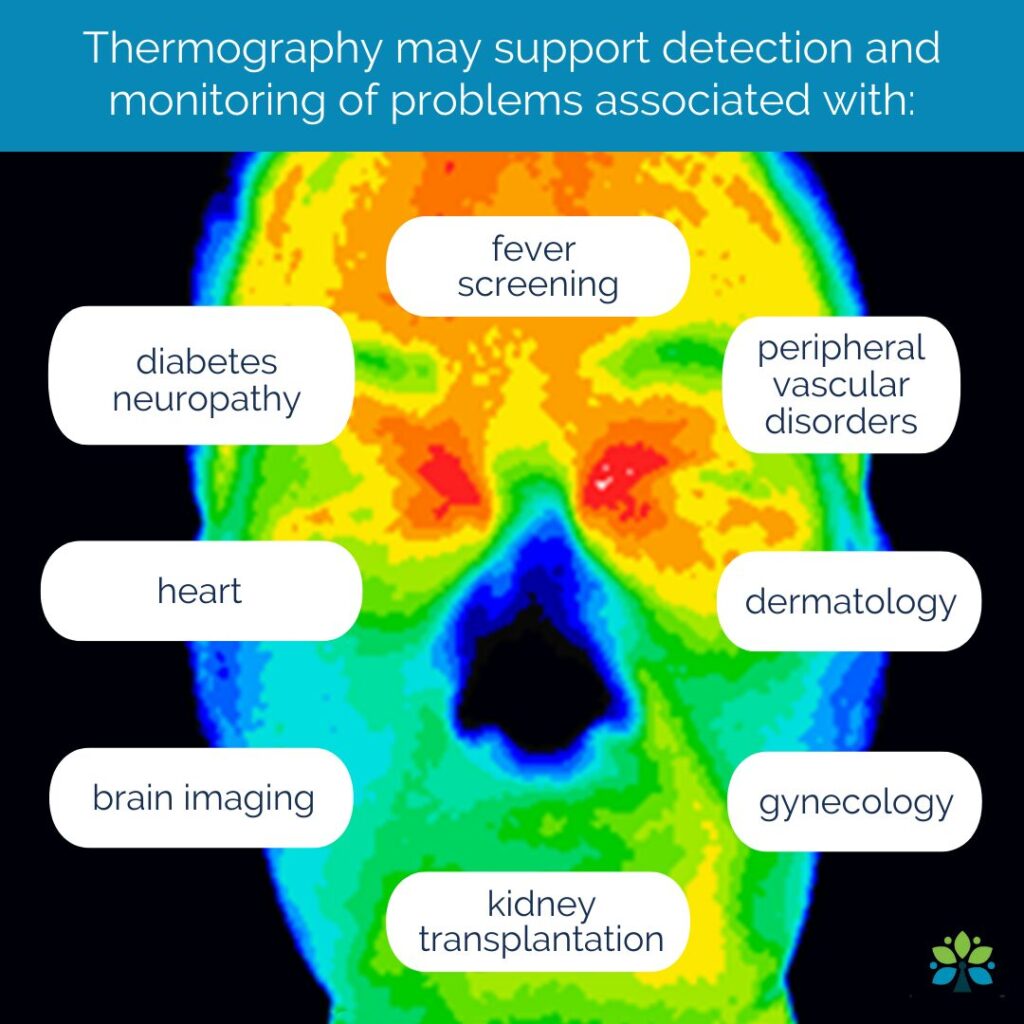
Thermography, also known as thermal imaging, is a non-invasive analysis technique that uses infrared radiation to visualize temperature differences on objects or surfaces. It’s an essential tool in various industries, including construction, renewable energy, and building inspection.
In this article, we’ll delve into the world of thermography, its principles, and applications, highlighting its benefits and uses in different fields.
What is Thermography?
Thermography is a technique that measures temperature differences by acquiring images in the infrared spectrum. It’s similar to using a camera, but instead of capturing visible light, it detects heat radiation emitted from objects. This allows us to visualize thermal patterns, which can reveal information about an object’s internal state.
Think of thermography like a high-tech thermometer that captures images rather than just measuring temperature. These images can be used to identify anomalies in energy emissions, detect defects, and optimize performance.
How Does Thermography Work?
Thermographic cameras use specialized sensors to detect infrared radiation emitted by objects. This radiation is proportional to the object’s surface temperature, as described by the Stefan-Boltzmann law. By analyzing these thermal patterns, we can:
- Identify areas of high or low energy emission
- Detect defects, such as cracks or corrosion
- Optimize energy efficiency and reduce energy waste
Thermography is particularly useful in industries where energy consumption and efficiency are critical.
Applications of Thermography
Thermography has numerous applications across various industries:
- Construction: Identify insulation gaps, detect moisture issues, and optimize building design for improved energy efficiency.
- Renewable Energy: Monitor photovoltaic panel performance, detect faults, and ensure optimal energy generation.
- Building Inspection: Detect defects, identify areas of high or low energy emission, and perform preliminary investigations for energy certification.
Benefits of Thermography
Thermography offers several benefits over traditional inspection methods:
- Non-invasive: No physical contact is required
- High accuracy: Thermal images can detect subtle temperature differences
- Cost-effective: Reduces the need for costly repairs or replacements
However, thermography also has its limitations:
- Requires specialized equipment and training to interpret results
- May not be suitable for high-temperature environments
Thermographic Analysis of Photovoltaic Systems
In the field of renewable energy, thermography is increasingly used to monitor photovoltaic (PV) systems. By analyzing thermal patterns on PV panels, we can:
- Detect faults and inefficiencies
- Identify hot spots or underperforming cells
- Optimize system performance and reduce energy waste
Thermographic Analysis of HVAC Systems
In the field of heating, ventilation, and air conditioning (HVAC), thermography is used to monitor system performance. By analyzing thermal patterns on HVAC components, we can:
- Detect faults and inefficiencies
- Identify areas of high or low energy emission
- Optimize system performance and reduce energy waste
Thermographic Analysis of Industrial Equipment
In the field of industrial equipment maintenance, thermography is used to monitor system performance. By analyzing thermal patterns on industrial components, we can:
- Detect faults and inefficiencies
- Identify areas of high or low energy emission
- Optimize system performance and reduce energy waste
Thermographic Analysis of Electrical Systems
In the field of electrical systems, thermography is used to monitor system performance. By analyzing thermal patterns on electrical components, we can:
- Detect faults and inefficiencies
- Identify areas of high or low energy emission
- Optimize system performance and reduce energy waste
FAQs
- What is the principle behind thermography?
Thermography relies on the Stefan-Boltzmann law, which states that radiation emitted by an object is proportional to its surface temperature. - How does thermographic imaging differ from regular camera images?
Thermographic imaging captures infrared radiation, while regular cameras capture visible light. - What are the primary applications of thermography in construction and building inspection?
Thermography is used to identify insulation gaps, detect moisture issues, and optimize energy efficiency. - How does thermography compare to other non-invasive inspection methods?
Thermography offers high accuracy and cost-effectiveness compared to traditional inspection methods. - What are the limitations of thermographic analysis?
Thermography requires specialized equipment and training to interpret results and may not be suitable for high-temperature environments.
Thermography is a powerful tool that enables us to visualize thermal patterns, detect defects, and optimize performance in various industries. By understanding its principles and applications, we can unlock its full potential and make informed decisions about energy efficiency, maintenance, and optimization.


