
Building an Ovine Nest: A Comprehensive Guide
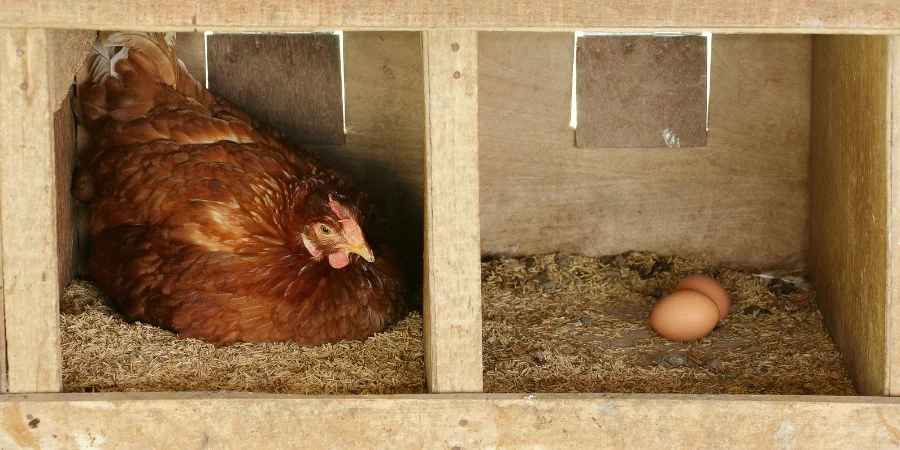
When it comes to backyard chicken keeping, having a well-designed coop and nesting system can make all the difference in reducing egg loss and ensuring the health and happiness of your hens. In this article, we will explore the world of ovine nests, a specialized type of nesting system designed specifically for chickens.
What is an Ovine Nest?
An ovine nest is a specialized nesting box that mimics the natural nesting behavior of female animals such as sheep. These boxes are designed to provide a safe and comfortable space for hens to lay their eggs without fear of predators or other dangers. A well-designed ovine nest can help reduce egg loss, promote healthy egg production, and improve overall flock health.
Why is Building an Ovine Nest Important?
Building an ovine nest is essential for backyard chicken keepers who want to ensure the health and happiness of their hens. Here are just a few reasons why building an ovine nest is important:
- Reducing Egg Loss: A well-designed ovine nest can help reduce egg loss by providing a safe space for hens to lay their eggs without fear of predators or other dangers.
- Promoting Healthy Egg Production: By providing a comfortable and inviting space for hens to lay their eggs, an ovine nest can help promote healthy egg production and overall flock health.
- Improving Flock Health: Building an ovine nest can also improve the overall health of your flock by reducing stress and promoting a sense of security among your hens.
Designing the Perfect Ovine Nest
When it comes to designing an ovine nest, there are several key factors to consider. Here are just a few things to keep in mind:
- Size: The size of your ovine nest will depend on the number of hens you have and their individual nesting preferences. A good rule of thumb is to build nests that are at least 100 cm x 70 cm in size.
- Ventilation: Good ventilation is essential for an ovine nest. Make sure your nest has enough ventilation holes to allow fresh air to circulate throughout the box.
- Predator Protection: Predators such as raccoons, opossums, and hawks can pose a significant threat to your flock. To protect your hens from predators, make sure your ovine nest is well-protected with sturdy walls and a secure roof.
Building Materials for Your Ovine Nest
To build an ovine nest, you’ll need several materials, including:
- 2 cm thick wooden planks
- Chicken wire or hardware cloth
- Straw or pine shavings
Here’s a step-by-step guide to building an ovine nest using these materials:
- Cut and assemble the wooden planks: Use a saw to cut the wooden planks into the required size, then use nails or screws to assemble the frame.
- Cover with chicken wire or hardware cloth: Cut the chicken wire or hardware cloth to size, then attach it to the frame using wire or screws.
- Line the interior with straw or pine shavings: Use a rake or shovel to spread the straw or pine shavings evenly throughout the nest.
Tips for Building an Ovine Nest
Here are just a few tips to keep in mind when building your ovine nest:
- Make sure the roof is sloping enough to prevent eggs from rolling out.
- Use chicken wire or hardware cloth to cover any openings or vents to ensure that predators can’t get inside.
- Line the interior of the nest with straw or pine shavings to make it comfortable for your hens.
Introducing Your Hens to Their New Nest
Once you’ve built your ovine nest, it’s time to introduce your hens to their new home. Here are just a few things to keep in mind:
- Let them explore: Allow your hens to explore their new nest and get familiar with the space.
- Provide plenty of nesting material: Make sure there’s plenty of straw or pine shavings available for your hens to lie down on.
- Monitor their behavior: Keep an eye on your hens’ behavior and make any necessary adjustments to the nest.
Conclusion
Building an ovine nest is a simple and effective way to reduce egg loss in your backyard chicken flock. By providing a comfortable and inviting space for your hens to lay their eggs, you’ll be able to collect clean and intact eggs regularly, minimizing waste and ensuring that your chickens remain healthy and happy. With this comprehensive guide, you’ll be well on your way to building the perfect ovine nest for your backyard chicken flock.
Frequently Asked Questions
Here are just a few frequently asked questions about building an ovine nest:
- How long does it take to build an ovine nest?: Building an ovine nest can take anywhere from a few hours to a full day, depending on the size and complexity of the design.
- What materials do I need to build an ovine nest?: You’ll need 2 cm thick wooden planks, chicken wire or hardware cloth, straw or pine shavings, and nails or screws to assemble the frame.
- How often should I clean my ovine nest?: It’s a good idea to clean your ovine nest regularly to keep it free of bacteria and odors.


