
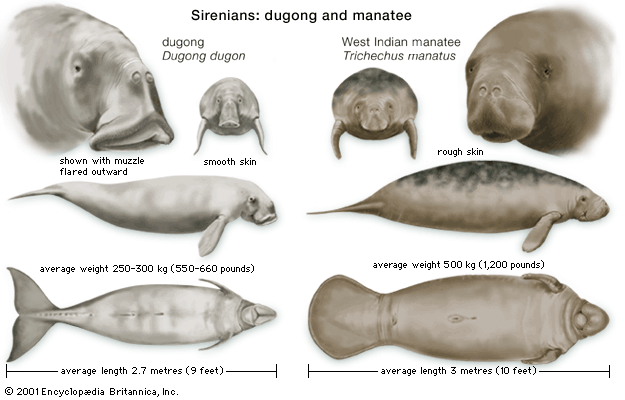
Lamantins are large aquatic mammals often mistaken for seals, but they have unique characteristics that set them apart. Their scientific name is “Trichechus,” and they belong to the family Trichechidae.
Characteristics of Lamantins
- Unique Body Structure: Lamantins are one of only two mammals, along with the axolotl salamander, that have six cervical vertebrae instead of seven. This unique body structure allows them to move and support their massive bodies in the water.
- Distinctive Features: Their nostrils are positioned far forward, and they lack functional incisors. The tail is rounded, unlike other similar animals. These features help lamantins to swim efficiently and detect prey in their aquatic environment.
- Dental Replacement: Lamantins have a unique process where their molars continuously replace each other throughout their lives. This allows them to maintain sharp teeth for grazing on vegetation.
Habitat of Lamantins
- Aquatic Environment: Lamantins spend most of their time in shallow waters on coastal areas with paludose habitats. These environments provide the necessary vegetation and shelter for lamantins to thrive.
- Regional Variations: Different species of lamantins can be found in various regions, including Africa, South America, and the Caribbean. Each region has its unique aquatic ecosystem, which affects the distribution and behavior of lamantins.
- Protection Status: Some lamantins are protected due to habitat loss and human activities such as deforestation, pollution, and coastal development.
How Lamantins Live
- Daily Routine: They mostly spend their days foraging and resting in shallow waters. Lamantins have been observed resting on the riverbed or floating near the surface, allowing them to conserve energy and stay cool.
- Recent Observations: Lamantins have been observed gathering near power plants, which disrupts their natural migratory patterns. This behavior is a result of human activities altering the aquatic environment.
Diet of Lamantins
- Herbivorous Diet: Despite their size, lamantins are harmless to other living beings due to their plant-based diet. They feed on various aquatic plants, including mangroves, algae, and aquatic grasses.
- Food Sources: They consume over 60 different species of mangrove plants, which provide the necessary nutrients for their survival. Lamantins play a crucial role in maintaining the balance of their ecosystems by controlling vegetation growth.
- Digestive System: Lamantins have a simple stomach like horses but also feature a large blind intestine that aids in digesting complex vegetation. This specialized digestive system allows them to extract nutrients from plant material more efficiently.
Lamantins as Pets
While lamantins make fascinating subjects for study, they are not suitable pets due to their size and specialized needs. In fact, keeping lamantins as pets is often prohibited by laws and regulations, as they require specific care and housing that cannot be provided in a home environment.
Conclusion
Lamantins are intriguing creatures with unique characteristics, adapted to living in aquatic environments. Understanding their habits, diet, and habitats can provide valuable insights into the importance of preserving these animals’ natural habitats. By studying lamantins, we can gain a better understanding of the interconnectedness of ecosystems and the impact of human activities on marine life.
Frequently Asked Questions (FAQs)
- What is the typical lifespan of a lamantino?
Lamantins can live up to 50 years in the wild and over 60 years in captivity. This long lifespan allows them to grow and mature slowly, making them one of the longest-lived aquatic mammals. - Can lamantins be domesticated?
No, due to their specialized needs and size, lamantins are not suitable as pets. They require a lot of space, specific water conditions, and a varied diet that cannot be easily replicated in a home environment. - What is the main threat to lamantino populations?
Habitat loss and human activities, such as deforestation, pollution, and coastal development, pose a significant threat to lamantino habitats. This not only reduces their living space but also affects their food sources and overall well-being. - Do lamantins have natural predators in the wild?
Yes, they do have predators like crocodiles and other large aquatic animals. Lamantins are preyed upon when they are vulnerable, such as during migration or feeding. - Can lamantins be found in brackish water?
Some species of lamantins can inhabit brackish waters with varying salinity levels. However, this is not common for all species, and their adaptability to different aquatic environments varies. - How often do lamantins give birth?
Lamantins typically give birth to one calf every 3-5 years, although the frequency may vary depending on factors like food availability and habitat quality. Female lamantins usually only have a few calves in their lifetime, making each birth significant for population growth. -
Can lamantins be used for conservation efforts?
Yes, by studying their habitats, behaviors, and populations, we can better understand how to protect and conserve these unique creatures. Conservation efforts can include habitat restoration, research on population dynamics, and education programs about the importance of preserving aquatic ecosystems. -
Are lamantins endangered?
Some species of lamantins are considered vulnerable or endangered due to habitat loss and human activities. Efforts are being made to protect their habitats and reduce the impact of human activities on their populations. -
What is the main reason for lamantino deaths?
The main reason for lamantino deaths is habitat loss, followed by entanglement in fishing nets and pollution. These factors contribute significantly to population decline and can have a devastating impact on local ecosystems. - How can I help protect lamantins and their habitats?
To protect lamantins and their habitats, we need more research, education, and conservation efforts. You can support organizations working on lamantino conservation, reduce your carbon footprint, and promote sustainable practices in your community.
By expanding our knowledge of lamantins and their habitats, we can better understand the intricate relationships within aquatic ecosystems and work towards preserving these unique creatures for future generations.


