
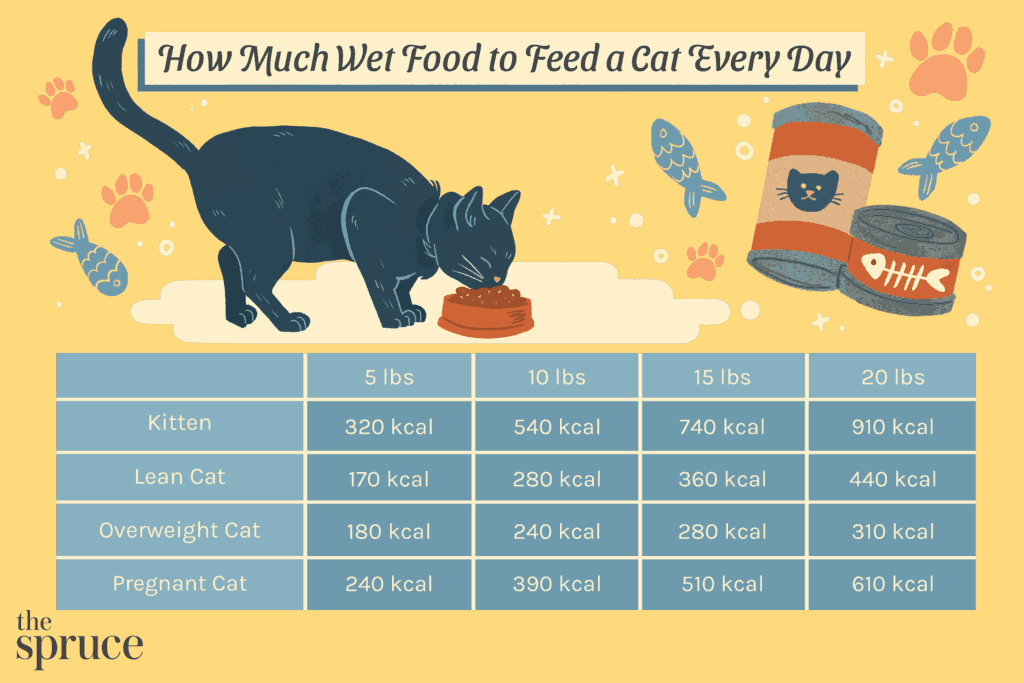
As a cat owner, you may have noticed that many of your feline friends are overweight or obese. In fact, it’s estimated that up to 50% of cats in the US are overweight or obese. So, how much should you be feeding your cat? The answer is not as simple as it seems.
The Basics: Understanding Your Cat’s Nutritional Needs
For adult cats, the general guideline is to feed them about 40 grams of wet food per kilogram of body weight per day. For example, a 5kg cat would need around 200g of wet food per day. However, this can vary depending on factors such as age, activity level, and health status.
Understanding Your Cat’s Metabolism
Cats have different metabolic rates than humans. Some cats are naturally more efficient at converting calories into energy, while others may be more prone to weight gain. It’s essential to consider your cat’s individual metabolism when determining their feeding needs.
Factors That Affect Your Cat’s Feeding Needs
There are several factors that can affect how much your cat should eat, including:
- Age: Kittens have different nutritional needs than adult cats.
- Activity level: Indoor cats tend to be less active than outdoor cats.
- Health status: Cats with certain medical conditions may require more or less food.
- Diet type: Cats fed a high-fiber diet may need fewer calories.
Choosing the Right Food for Your Cat
When selecting a cat food, it’s essential to consider factors such as protein content, carbohydrate levels, and moisture content. While some cats thrive on dry food, others may benefit from wet or raw diets.
Cats have different nutritional needs at various stages of their lives. For example:
- Kittens: require more protein and calories than adult cats.
- Adult cats: require a balanced diet with moderate amounts of protein, fat, and carbohydrates.
- Senior cats: may need fewer calories and a softer food to ease digestive issues.
Combining Wet and Dry Food: A Balanced Approach
Many cat owners opt for combining wet and dry food in their cat’s diet. While this can be beneficial, it’s crucial to follow specific guidelines to ensure the right balance of nutrients.
Here are some tips:
- Feed 2/3 dry food and 1/3 wet food as a starter.
- Gradually increase the proportion of wet food over time.
- Choose a high-quality dry food that provides essential nutrients.
- Opt for low-sodium, high-fiber wet food to complement the dry food.
Common Mistakes to Avoid
Some common mistakes cat owners make when feeding their cats include:
- Overfeeding: Cats may become obese or develop health issues if fed too much.
- Underfeeding: Cats may not receive enough nutrients if they’re not fed enough.
- Inconsistent feeding schedules: Feeding at the same time every day can help regulate your cat’s digestive system.
Tips for a Healthy Weight
Maintaining a healthy weight is crucial for your cat’s overall health and well-being. Here are some tips to help you achieve this:
- Monitor your cat’s weight regularly: Use a scale or consult with your veterinarian to determine the ideal weight range for your cat.
- Adjust your cat’s food intake accordingly: Increase or decrease your cat’s food portion based on their individual needs and weight goals.
- Encourage physical activity: Provide toys, scratching posts, and climbing structures to keep your cat active and engaged.
Conclusion
Feeding your cat the right amount of food is crucial for maintaining their overall health and well-being. By considering factors such as age, activity level, health status, diet type, and lifestyle, you can create a personalized feeding plan that meets your cat’s unique needs.


