
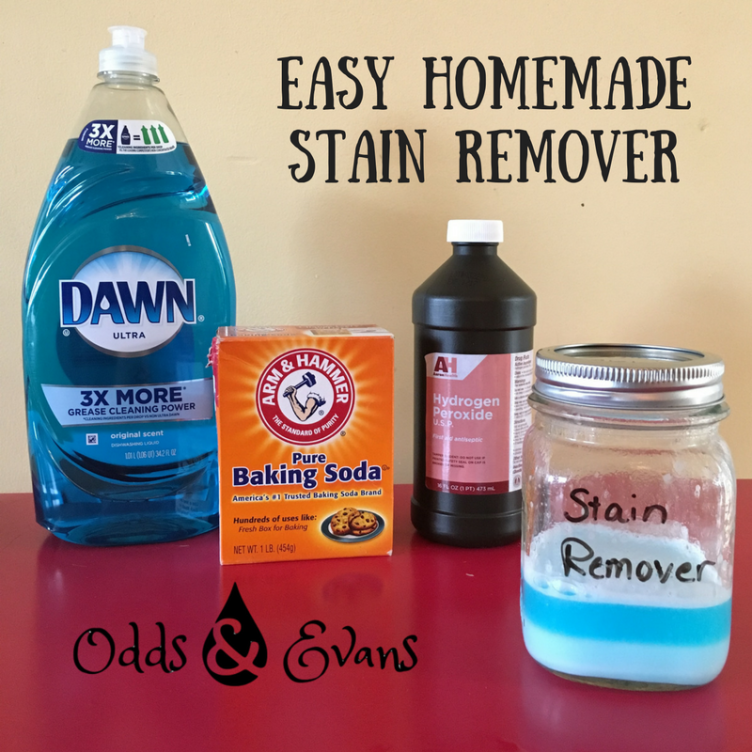
Are you tired of dealing with stubborn stains on your clothes? Do you wish there was a quick and easy solution to get rid of them? You’re not alone. In the past, people used industrial-strength stain removers, but now you can create your own at home using natural ingredients.
In this article, we’ll explore four different methods for removing stains from your clothes using homemade stain removers. We’ll also discuss the importance of choosing the right ingredients and using them in moderation.
A Brief History of Stain Removers
Before we dive into the details, let’s take a look at how people used to deal with stains. In the past, when industrial-strength chemicals were not yet widely available, women would use natural remedies to remove stains from their clothes. These remedies often included ingredients like soap, water, and vinegar.
While these methods may have worked in the past, they can be time-consuming and ineffective against modern fabrics. That’s why it’s essential to create your own homemade stain removers using natural ingredients that are safe for your clothes.
The Benefits of Homemade Stain Removers
Using homemade stain removers has several benefits. For one, they’re often cheaper than commercial products. They also tend to be more gentle on fabrics and can be customized to suit your specific needs. Additionally, many homemade stain removers use natural ingredients that are better for the environment.
Homemade Stain Remover #1: The Classic Mix
This is one of the most popular homemade stain remover recipes out there. It’s simple, effective, and requires just three ingredients:
- 2 parts water
- 1 part hydrogen peroxide (3%)
- 1 part baking soda
Mix all the ingredients together in a spray bottle and you’re ready to go. This stain remover is great for removing food stains, grass stains, and even ink.
How to Use:
- Spray the stain remover directly onto the stain.
- Let it sit for 5 minutes before washing as usual.
- Repeat if necessary.
Remember to always test a small area of your fabric first to ensure the stain remover doesn’t damage your clothes.
Homemade Stain Remover #2: The Dish Soap Method
This method uses dish soap, hydrogen peroxide, and water to create a powerful stain remover. Here’s what you’ll need:
- 1 part dish soap
- 2 parts hydrogen peroxide (3%)
- 1 part water
Mix all the ingredients together in a spray bottle and spray it directly onto the stain.
How to Use:
- Let it sit for 10 minutes before washing as usual.
- Repeat if necessary.
This method is great for removing grease stains, oil-based paints, and even makeup.
Homemade Stain Remover #3: The Vinegar and Baking Soda Method
This method uses vinegar, baking soda, and water to create a natural and gentle stain remover. Here’s what you’ll need:
- 1 part white vinegar
- 1/2 part baking soda
- 1/3 part water
Mix all the ingredients together in a spray bottle and spray it directly onto the stain.
How to Use:
- Let it sit for 10 minutes before washing as usual.
- Repeat if necessary.
This method is great for removing acid-based stains like coffee, wine, and even ink.
Homemade Stain Remover #4: The Lemon Juice Method
This method uses lemon juice, water, and salt to create a natural and effective stain remover. Here’s what you’ll need:
- 1 part lemon juice
- 1/2 part water
- 1/3 part salt
Mix all the ingredients together in a spray bottle and spray it directly onto the stain.
How to Use:
- Let it sit for 10 minutes before washing as usual.
- Repeat if necessary.
This method is great for removing fruit stains, grass stains, and even ink.
Using Natural Ingredients to Remove Stains
In addition to these homemade stain removers, you can also use natural ingredients like baking soda, soap, and vinegar to remove stains from your clothes. These ingredients are gentle on fabrics and can be used in moderation without damaging your clothes.
Some other natural ingredients that can help remove stains include:
- Baking soda: Great for removing acid-based stains like coffee, wine, and ink.
- Soap: Can be used to remove grease stains, oil-based paints, and even makeup.
- Vinegar: Can be used to remove acid-based stains like coffee, wine, and ink.
- Lemon juice: Can be used to remove fruit stains, grass stains, and even ink.
Tips for Using Natural Ingredients
When using natural ingredients to remove stains, it’s essential to follow some basic tips:
- Always test a small area of your fabric first to ensure the stain remover doesn’t damage your clothes.
- Use the right amount of ingredient. Too much can be too harsh on your clothes.
- Be patient. Natural ingredients may take longer to work than commercial products.
Conclusion
Removing stains from your clothes can be a challenge, but with the right ingredients and techniques, you can create effective homemade stain removers that are safe for your clothes. In this article, we’ve explored four different methods for removing stains using natural ingredients like baking soda, soap, vinegar, and lemon juice.
Remember to always test a small area of your fabric first to ensure the stain remover doesn’t damage your clothes. With these recipes and techniques, you’ll be well on your way to becoming a stain-removing pro!
FAQs
- What is the best homemade stain remover?
The best homemade stain remover depends on the type of stain you’re trying to remove. However, our Classic Mix recipe (using hydrogen peroxide, baking soda, and water) is a popular choice for removing food stains, grass stains, and even ink. - Can I use this homemade stain remover on delicate fabrics?
No, it’s not recommended to use this homemade stain remover on delicate fabrics like silk or wool. These fabrics can be damaged by the acidity of the vinegar or the harshness of the baking soda. - How do I remove tough stains?
To remove tough stains, you may need to repeat the stain remover process several times before washing as usual. You can also try soaking the stained area in warm water and laundry detergent for several hours before washing. - Can I use this homemade stain remover on upholstery?
Yes, you can use this homemade stain remover on upholstery, but be sure to test a small area first to ensure the stain remover doesn’t damage the fabric.
I hope this helps! Let me know if you have any other questions.


