
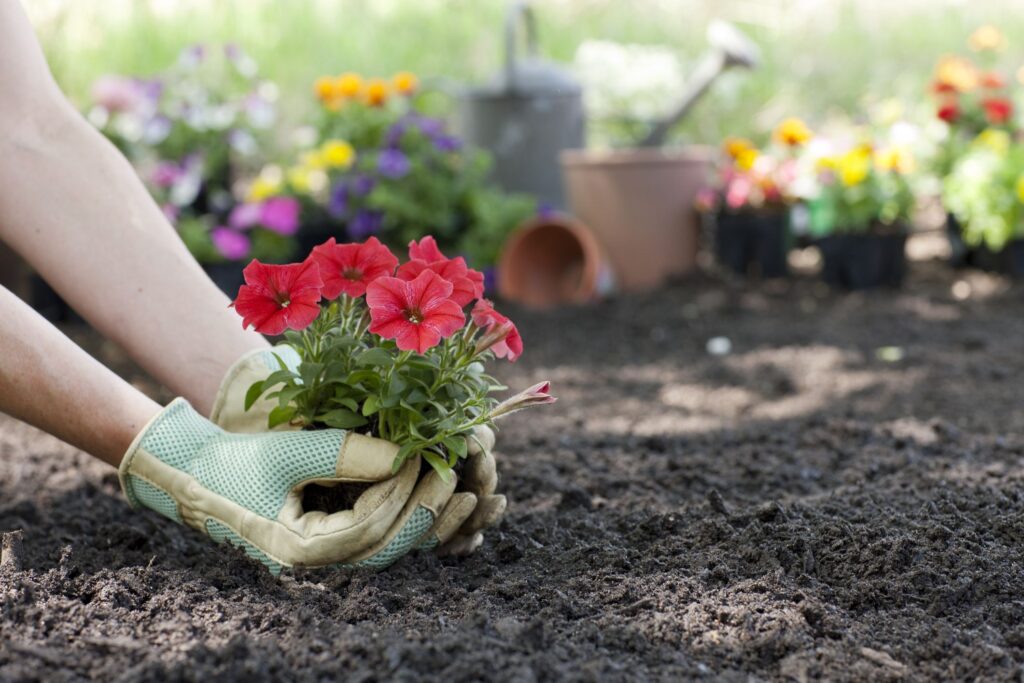
June is a pivotal month for gardens, reaping numerous rewards for those who have taken the time to prepare and tend their green spaces. For gardeners who have planted early, it’s possible to start harvesting a variety of vegetables and herbs, including basil, beet greens, carrots, lettuce, peas, parsley, radishes, and zucchini.
To ensure optimal productivity from your plants, there are several small tasks that can make all the difference. In this article, we’ll explore the essential jobs to tackle in June for a thriving garden.
June Jobs for the Garden
-
Renew Soil Around Plants
Before planting new crops or pruning existing ones, it’s crucial to reinvigorate the soil beneath your plants’ roots. This helps prevent root exposure and promotes healthy growth. Using a small shovel and a handful of fresh earth, create a mound around each plant to maintain moisture and suppress weeds. -
Mulch and Suppress Weeds
Packing mulch or covering soil with natural materials like straw, leaves, or wood chips can effectively retain moisture, suppress weeds, and protect the roots from damage. Make sure not to touch your plants’ sensitive roots while adding mulch. -
Stake Climbing Vegetables
June is a great time to set up stakes for climbing plants like beans, peas, and tomatoes. By providing support, you’ll help prevent damage to the plant and encourage more fruit production. -
Improve Soil with Compost
Adding compost to your soil in June can provide essential nutrients for your plants as they grow. Mix it into the top layer of soil or use it as a mulch to retain moisture and suppress weeds. -
Support Plant Growth with Pruning
June is also an excellent time to prune your existing plants, promoting healthy growth and encouraging fruit production. Be sure to remove any dead or damaged branches and trim back overgrown stems. -
Create a Protective Barrier for Sensitive Plants
If you have sensitive plants like lettuce or spinach that need extra protection from pests or extreme weather conditions, create a physical barrier around them using materials like row covers or fine-mesh netting. -
Set Up Trellises for Cucumbers and Melons
As cucumbers and melons start to grow, set up trellises to provide support and help the plants produce more fruit. -
Pest and Weed Control
Keep an eye out for pests and weeds in your garden and take prompt action to control them. Use organic methods whenever possible to minimize harm to beneficial insects and maintain a balanced ecosystem. -
Prepare Soil for New Plantings
If you’re planning to add new plants to your garden, June is the perfect time to prepare the soil. Add compost, fertilizers, or other amendments as needed to create an optimal growing environment. -
Tend to Your Plants’ Needs
Finally, make sure to provide your plants with adequate water, sunlight, and nutrients throughout the month. Regularly inspect your garden for signs of stress or disease and take corrective action if necessary.
June Seedings
In addition to pruning and mulching, June is a great time to plant new seeds outdoors. Here are some essential seedlings to consider:
- Cardoon and Fagioli: These Italian flatbreads are ideal for late spring planting.
- Fagiolini Rampicanti (for training on trellises): This variety of pea is perfect for supporting climbing plants like beans or peas.
- Finocchio Precoce: This type of fennel is great for adding a fresh flavor to salads and pasta dishes.
- Pomodoro Tardivo, Cavolo Cappuccio, Lattughe e Scarole: These vegetables are perfect for extending the harvest season in June.
June is the Perfect Time to Harvest Aromatic Herbs
This month marks the peak season for harvesting a variety of aromatic herbs like mint, oregano, thyme, lemon balm, marjoram, and chamomile. Dry these herbs thoroughly in a well-ventilated area or use them fresh to add depth to your cooking.
Tips for Maximizing Your Harvest
- Keep an eye on the weather: June can be hot and dry, so make sure to keep your plants consistently watered.
- Monitor for pests and diseases: Regularly inspect your garden for signs of stress or disease and take corrective action if necessary.
- Provide support for climbing plants: Set up stakes or trellises to provide support for climbing plants like beans, peas, and tomatoes.
- Mulch around plants: Mulching helps retain moisture, suppress weeds, and protect the roots from damage.
Common Mistakes to Avoid
- Underwatering: Make sure to keep your plants consistently watered, especially during hot summer months.
- Overfertilizing: Be careful not to overfertilize your plants, as this can lead to an imbalance in the soil and potentially harm your garden.
- Not providing enough support for climbing plants: Failing to provide adequate support for climbing plants like beans or peas can result in damaged stems and reduced fruit production.
Conclusion
In conclusion, June is an essential month for gardeners around the world, offering numerous opportunities to prune, mulch, plant new seeds, and harvest a variety of crops. By following the guidelines outlined above, you’ll be able to create a thriving garden that will provide you with fresh produce and delicious herbs all season long.
Frequently Asked Questions
-
What should I do first when planting a new garden in June?
When starting a new garden in June, make sure to prepare the soil by adding compost or fertilizers as needed. Choose suitable plants for your climate and provide adequate sunlight, water, and nutrients throughout the month. -
How often should I water my plants during this time of year?
Watering frequency will vary depending on weather conditions, soil type, and plant requirements. Be sure to inspect your plants regularly and adjust your watering schedule accordingly. -
What are some common pests that can damage my garden in June?
In June, look out for pests like aphids, slugs, snails, and caterpillars. Use natural methods whenever possible to control these unwanted visitors, such as introducing beneficial insects or using physical barriers. -
How do I prevent weeds from growing in my garden?
Preventing weeds involves creating a balanced ecosystem with minimal disturbance. Mulch around plants, cover soil with row covers, and use companion planting techniques to suppress weed growth. -
What are some recommended methods for controlling weeds without chemicals?
Effective methods include hand-pulling, using mulch or compost, setting up physical barriers like copper tape, and attracting beneficial insects that feed on pests.


