
Conserving Water: Simple Ways to Reduce Your Water Footprint
As individuals, we can all make a difference in protecting one of our planet’s most essential resources: water. By adopting environmentally responsible habits, we can significantly reduce our water waste and contribute to a more sustainable future.
In this article, we will explore practical tips on how to conserve water at home and in your garden. These small changes can lead to substantial savings on your water bill and help mitigate the effects of climate change.
Why Water Conservation Matters
Water is essential for human survival, and its scarcity affects millions of people worldwide. By reducing our water consumption, we can:
- Conserve this vital resource for future generations
- Reduce energy consumption associated with pumping and treating water
- Lower greenhouse gas emissions from water treatment and distribution
Simple Ways to Start Conserving Water
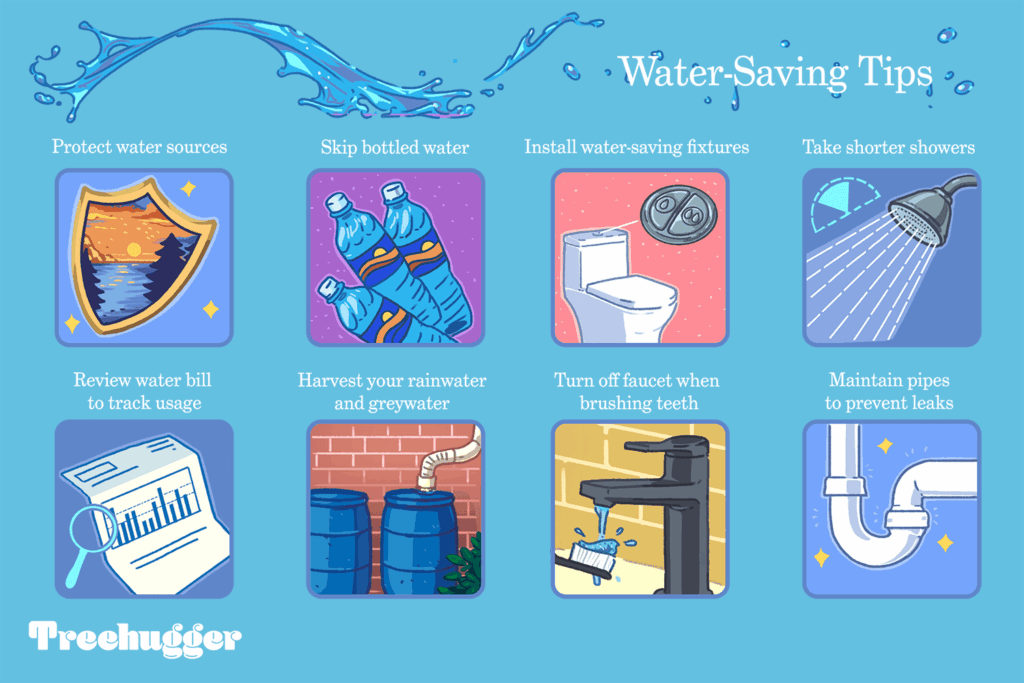
- Collect and reuse shower water: While waiting for the shower water to warm up, collect it in a bucket or container. You can use this water for watering plants, flushing toilets, or washing dishes.
- Turn off the tap while brushing your teeth: This might seem like a small thing, but turning off the tap while brushing your teeth can save up to 4 gallons of water per day.
- Take shorter showers: Try taking 5-minute showers instead of longer ones. You can also install low-flow showerheads to reduce water usage.
- Use a dishwasher and washing machine wisely: Run full loads in your dishwasher and washing machine to maximize efficiency. Choose the eco-cycle or energy-saving option whenever possible.
- Install low-flow fixtures: Replace traditional faucets with low-flow ones, which use significantly less water per flush.
Water Conservation Strategies for Your Garden
- Use drip irrigation systems: These systems deliver water directly to the roots of plants, reducing evaporation and runoff.
- Implement a rainwater harvesting system: Collect rainwater in barrels or cisterns to use for irrigation, flushing toilets, or washing cars.
- Use mulch and cover crops: Mulching and using cover crops can help retain soil moisture and reduce the need for frequent watering.
Additional Tips for Homeowners
- Inspect your pipes regularly: Look for leaks and cracks in your pipes to avoid wasting water through hidden leaks.
- Use a water-efficient washing machine: Front-loading washing machines use significantly less water than top-loading ones.
- Don’t overwater your lawn: Overwatering can lead to reduced soil quality, increased evaporation, and wasted water.
The Impact of Food Packaging on Water Conservation
- Choose products with minimal packaging: Opt for foods sold in bulk or with minimal packaging to reduce waste and conserve resources.
- Avoid single-use plastics: Single-use plastics contribute to water pollution and waste. Choose reusable alternatives instead.
Monitoring Your Water Usage
- Check your water meter regularly: Look for unusual changes in your water usage, which can indicate hidden leaks or inefficiencies.
- Use a water-efficient washing machine: Front-loading washing machines use significantly less water than top-loading ones.
Conclusion: Every Small Step Counts
Conserving water requires small changes to our daily habits. By implementing these strategies, we can make a significant impact on the environment and ensure a more sustainable future for generations to come.
Frequently Asked Questions
Q: How much water do I need for my household?
A: The average American uses around 80-100 gallons of water per day. However, this amount can vary greatly depending on factors like climate, location, and personal habits.
Q: What are the benefits of conserving water?
A: Water conservation helps reduce energy consumption associated with pumping and treating water, lowers greenhouse gas emissions from water treatment and distribution, and conserves this vital resource for future generations.
Q: How much can I save by conserving water?
A: The amount of savings varies depending on individual circumstances. However, small changes to our daily habits can lead to substantial reductions in water consumption and corresponding savings on the water bill.
Q: What are some effective ways to reduce my water footprint?
A: Implementing simple habits like turning off the tap while brushing your teeth, taking shorter showers, using low-flow fixtures, and choosing eco-friendly products can significantly reduce your water usage.
Q: Can I make a difference in water conservation by making small changes at home?
A: Absolutely! Every small step counts when it comes to conserving water. By adopting environmentally responsible habits, you can contribute to a more sustainable future for generations to come.
Q: What are some creative ways to use collected shower water?
A: Collected shower water can be used for watering plants, flushing toilets, washing dishes, or even cleaning cars. Get creative and find new uses for this valuable resource!
Q: How often should I check my water meter?
A: It’s recommended to check your water meter regularly, ideally every 2-3 months, to detect any unusual changes in your water usage.
Q: Can I use rainwater harvesting systems with my existing plumbing?
A: Yes, you can install a rainwater harvesting system with your existing plumbing. However, it’s essential to ensure that the system is properly sized and configured for your household needs.
Q: What are some effective ways to reduce energy consumption while conserving water?
A: Implementing low-flow fixtures, using eco-friendly products, and adopting environmentally responsible habits can significantly reduce both energy consumption and water usage.
By understanding the importance of water conservation and implementing simple strategies in our daily lives, we can make a significant impact on the environment and ensure a more sustainable future for generations to come.


