
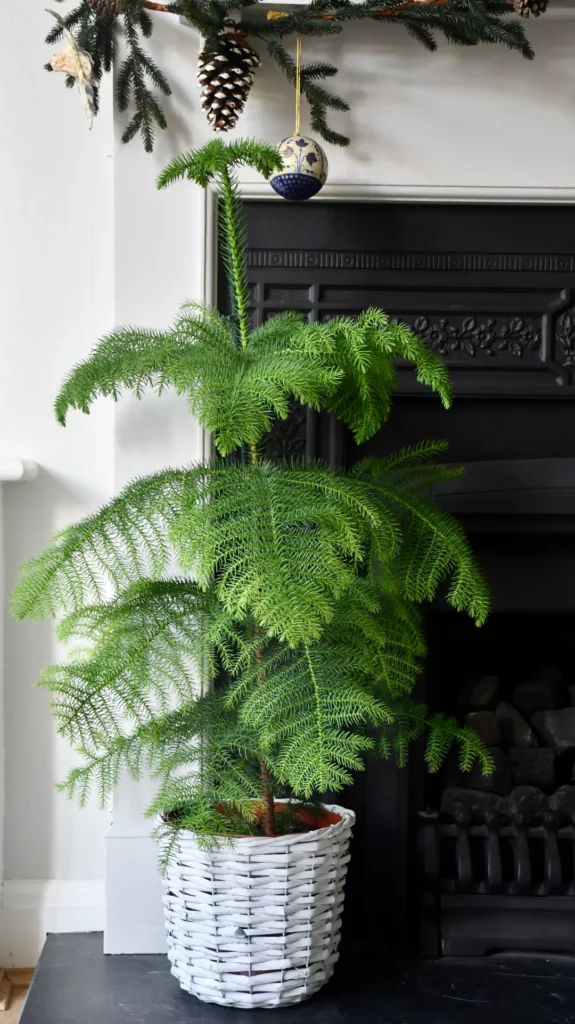
The Norfolk Pine: A Unique and Versatile Ornamental Tree
Introduction
The Norfolk Pine (Araucaria heterophylla) is a stunning coniferous tree with a bright green, glossy foliage that has made its way into the world of ornamental horticulture. Native to Australia’s Norfolk Island, this tree has become an iconic symbol of the island and a popular choice for gardeners worldwide.
History of the Norfolk Pine
The discovery of the Norfolk Pine dates back to 1780 by English botanist Joseph Banks on his visit to Norfolk Island. Since then, it has been cultivated and appreciated for its unique features and versatility. The tree is an endemism of Norfolk Island, which means that it can only be found in its natural habitat.
Growing the Norfolk Pine: Tips and Considerations
Before acquiring a Norfolk Pine, there are a few things to keep in mind:
- Cost: Seeds can be purchased for as little as 3 euros per 5 seeds, while a small sapling can cost between 15-20 euros.
- Environment: The tree prefers well-lit areas with good air circulation and should not be exposed to direct sunlight for extended periods. A pH-acidic soil with high organic matter content is ideal.
- Watering: Infrequent watering is recommended, especially during the summer months.
To keep your Norfolk Pine healthy and thriving:
- Regularly mist the leaves with a fine spray of water at room temperature
- Apply an oil-based treatment to protect the tree from pests and diseases
Characteristics of the Norfolk Pine
The Norfolk Pine’s unique characteristics make it stand out among other ornamental trees. Some of its notable features include:
- Root System: Robust and deep, allowing the tree to thrive in its native climate.
- Trunk: Tall and straight, with a mottled brown color.
- Leaves: Large, lance-shaped, and dark green, with a glossy finish.
- Flowers and Fruits: Produce small white flowers (strobili) that eventually develop into conical fruit containing hundreds of seeds.
Where to Buy the Norfolk Pine
While Norfolk Pines are not as widely available as other ornamental trees, they can be found in various nurseries and online retailers. Specialized plant sellers may offer a wider selection of these unique trees.
Norfolk Island: A Unique Destination
The island that gave its name to this tree is a small, uninhabited archipelago located off the coast of Australia. The island has gained attention in recent years for its innovative approach to reducing carbon emissions and promoting sustainability.
In 2010, the island introduced a system where every resident holds a credit card that can be used to pay energy bills. As a result, residents have become more mindful of their energy consumption, with a decrease in overall emissions over the years.
Conclusion
The Norfolk Pine is a remarkable tree that offers many benefits for gardeners and those interested in sustainable living. With proper care and attention, this unique tree can thrive in even the most challenging environments. By supporting responsible forestry practices and purchasing from reputable sellers, you can contribute to the conservation of these incredible trees and their native habitats.
Frequently Asked Questions
- Is the Norfolk Pine suitable for indoor growing?: Yes, it can be grown indoors with proper care and attention.
- How often should I water my Norfolk Pine?: Infrequent watering is recommended, especially during the summer months.
- Can I grow multiple Norfolk Pines in a small space?: While possible, it’s essential to provide enough space for each tree to thrive.
- Are there any specific pests or diseases that affect Norfolk Pines?: Regular misting and oil-based treatments can help prevent infestations.
- Can I harvest seeds from my Norfolk Pine?: Yes, but be aware that the seeds may not produce trees with identical characteristics.
- Is the Norfolk Pine a fast-growing tree?: While it can grow relatively quickly, it’s essential to provide proper care and attention.
- Are there any notable features or benefits of growing a Norfolk Pine?: Its unique appearance, low maintenance requirements, and potential for sustainable living make it an attractive choice for many gardeners.
- Can I purchase seeds online directly from the supplier?: Some suppliers may offer seeds for sale online, while others may require in-person purchases or have limited availability.
Care Instructions
- Place your Norfolk Pine in a bright location with indirect sunlight to promote healthy growth.
- Avoid exposing the tree to extreme temperatures and ensure that it receives at least 4-6 hours of direct sunlight per day.
- To prevent overwatering, water the tree only when the top inch of soil feels dry to the touch.
- Use a well-draining potting mix to maintain optimal soil conditions for your Norfolk Pine.
Tips for Proper Maintenance
- Prune your Norfolk Pine regularly to keep it looking its best and promote healthy growth.
- Fertilize the tree sparingly, as overfertilization can damage its roots and affect overall health.
- Use a humidifier if you live in an arid climate to maintain optimal humidity levels for your Norfolk Pine.
Pest Control
- Check your Norfolk Pine regularly for signs of pests or diseases such as spider mites, mealybugs, and scale insects.
- Use a gentle insecticide that won’t harm the tree’s foliage if necessary.
- Consider using natural pest control methods like neem oil or horticultural oil to protect your Norfolk Pine.
Propagation
- To propagate a new Norfolk Pine, use a mature branch section with at least two sets of needles attached.
- Plant the branch in well-draining soil and water it regularly until roots develop.
- Keep the tree in a bright location with indirect sunlight to promote healthy growth.
Common Problems
- Yellowing Leaves: Overwatering or under-watering can cause yellow leaves on your Norfolk Pine.
- Slow Growth: Insufficient light, inadequate watering, or poor soil quality may slow down the growth of your Norfolk Pine.
- Root Damage: Avoid over-pruning or damaging the roots of your Norfolk Pine to prevent root damage and disease.
Conclusion
The Norfolk Pine is a unique tree that offers many benefits for gardeners and those interested in sustainable living. With proper care and attention, this tree can thrive in even the most challenging environments. By supporting responsible forestry practices and purchasing from reputable sellers, you can contribute to the conservation of these incredible trees and their native habitats.


