
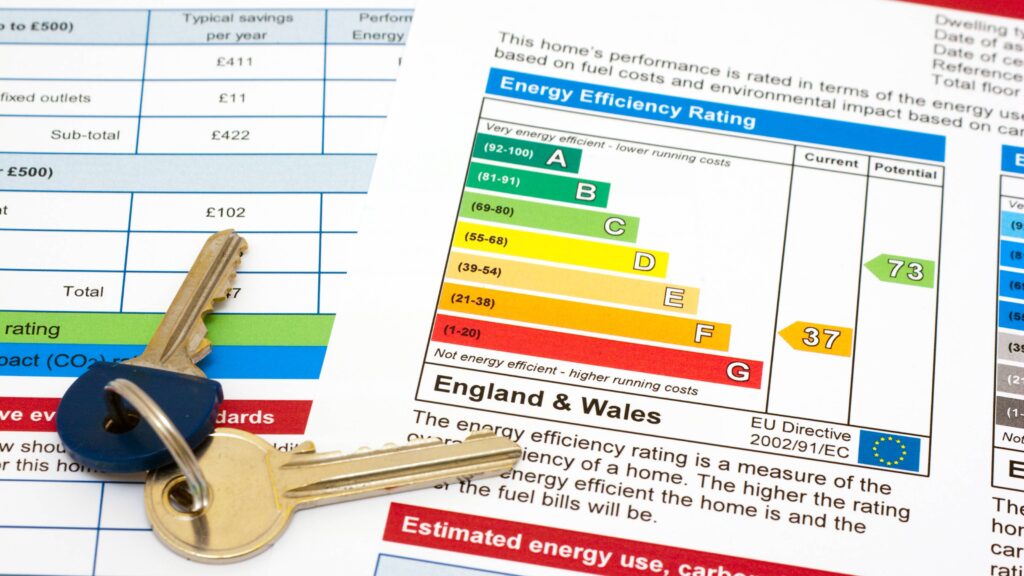
In order to take advantage of the opportunities offered by energy certificates, it’s essential to consider this study as a comprehensive check-up of your home, which goes beyond just determining the mandatory energy class for law. It can provide all the necessary elements to improve the energy efficiency of your home and reduce heating costs during winter using the tax breaks provided by the law.
An energy certificate is essentially a quality assessment of your home’s energy efficiency, providing you with a clear picture of where you need to make improvements.
The Benefits of Energy Certificates
Energy certificates are not just about identifying areas for improvement; they also provide a roadmap for achieving significant energy savings. By implementing the recommended measures, you can reduce your energy consumption and lower your heating bills.
But that’s not all. The law provides tax breaks for homes that meet certain energy efficiency standards. These incentives can help offset the costs of making improvements to your home.
Understanding Energy Certificates: A Comprehensive Approach
An energy certificate is a standardized assessment tool used to evaluate the energy efficiency of buildings, including residential homes. It assesses various factors such as insulation, windows, and heating systems to determine the overall energy efficiency of the building.
The purpose of an energy certificate is not only to provide a comprehensive assessment of your home’s energy efficiency but also to identify areas where improvements can be made to reduce energy consumption and lower heating bills.
How Energy Certificates Can Save You Money
One of the most significant benefits of energy certificates is that they can help you save money on your energy bills. By identifying areas where energy is being wasted, you can make targeted improvements to reduce energy consumption and lower your heating bills.
In addition to saving money on your energy bills, an energy certificate can also provide tax breaks for homes that meet certain energy efficiency standards. These incentives can help offset the costs of making improvements to your home.
The Benefits of Energy-Efficient Lighting
Lighting systems are often overlooked when it comes to energy efficiency, but they play a crucial role in reducing energy consumption and lowering heating bills.
Replacing traditional incandescent bulbs with energy-efficient LED or CFL bulbs can make a significant difference in reducing energy consumption. In fact, studies show that this simple swap can reduce energy consumption by up to 80%.
To take advantage of this savings, consider replacing existing fixtures with new ones that are compatible with the new bulbs.
Choosing the Right Heating System
If you use electricity to heat your home and live in a mild climate, consider installing a high-efficiency heat pump. This eco-friendly system uses renewable energy to warm your home and can save you money on your heating bills.
When choosing a heating system, consider factors such as size, insulation, and location to ensure optimal performance.
Water Heating: A Major Energy Consumer
Boilers are often used for hot water, but they consume a lot of energy. Consider replacing them with a Gpl boiler or integrating a solar thermal system to reduce your energy consumption.
When choosing a boiler, consider factors such as size, efficiency, and maintenance costs to ensure you’re getting the best value for your money.
Insulation: The Key to Energy Efficiency
Proper insulation is the most effective way to improve your home’s energy efficiency. By using high-quality insulation materials in your attic, walls, and floors, you can reduce heat loss and keep your home warm and cozy during the winter months.
In addition to synthetic insulation options, consider using natural insulation materials such as wool, straw, or cellulose. These eco-friendly options are not only cost-effective but also have a lower environmental impact.
The Importance of Energy-Efficient Windows
Windows are another area where energy efficiency can be improved. Replacing old windows with new ones that are designed to reduce heat loss can make a significant difference in reducing energy consumption.
When choosing new windows, consider factors such as size, shape, and material to ensure optimal performance.
Conclusion
Energy certificates are an essential tool for identifying areas of improvement in your home and achieving significant energy savings. By implementing the recommended measures, you can reduce your energy consumption, lower your heating bills, and receive tax breaks on your energy-efficient upgrades.
Don’t miss out on these opportunities to make your home more energy efficient and cost-effective. Take advantage of the benefits of energy certificates today!
FAQs
Q: What is an energy certificate, and how does it work?
A: An energy certificate is a standardized assessment tool used to evaluate the energy efficiency of buildings, including residential homes. It assesses various factors such as insulation, windows, and heating systems to determine the overall energy efficiency of the building.
Q: How can I save money on my energy bills by implementing the recommended measures from my energy certificate?
A: By reducing energy consumption through measures such as efficient lighting and insulation, you can lower your heating bills and enjoy cost savings.
Q: What are some simple ways to save energy in my home?
A: Simple changes like replacing traditional incandescent bulbs with LED or CFL bulbs, using smart light bulbs, and installing high-efficiency heat pumps can make a significant difference.
Q: How do I choose the right heating system for my home?
A: Consider factors such as size, insulation, and location to ensure optimal performance when choosing a heating system.
Q: Can I use natural insulation materials in my home?
A: Yes, natural insulation materials like wool, straw, or cellulose can be used to reduce heat loss and keep your home warm during the winter months.
Q: How long do energy-efficient lighting systems last?
A: Energy-efficient lighting systems such as LED bulbs can last up to 25 times longer than traditional incandescent bulbs.
Q: What are some tax breaks available for homes that meet certain energy efficiency standards?
A: The law provides tax breaks for homes that meet certain energy efficiency standards, which can help offset the costs of making improvements to your home.
Q: How can I get started with implementing the recommended measures from my energy certificate?
A: Start by consulting with a professional who can assess your home’s energy efficiency and provide personalized recommendations for improvement.


