
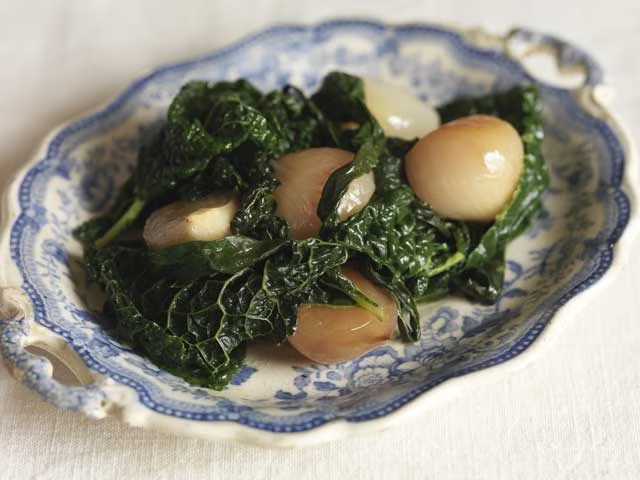
As we head into the colder months, it’s essential to focus on incorporating nutrient-dense foods into our diets. One such vegetable that deserves attention is Cavolo Nero, a lesser-known yet incredibly versatile and nutritious Brassica species. In this article, we’ll delve into the history, characteristics, and benefits of Cavolo Nero, as well as provide some delicious recipes to get you started.
What is Cavolo Nero?
The scientific name for Cavolo Nero is “Brassica oleracea L. var. acephala sabellica,” also known as Black Cabbage or Tuscan Kale. This cruciferous vegetable belongs to the Brassicaceae family and is characterized by its distinctive dark green, rough, and bolled leaves.
Origin and History
Cavolo Nero’s origins date back to ancient Tuscany, where it has been a staple in local cuisine for centuries. Its versatility and nutritional benefits make it an essential ingredient in traditional Italian dishes like ribollita. This hearty soup is a perfect example of how Cavolo Nero can be used to warm up on chilly winter days.
Characteristics
Unlike its cousin, the classic green cabbage, Cavolo Nero has a more slender stalk that can grow up to 12 inches tall. Its leaves are a deep shade of dark green, with a slightly sweet and peppery flavor. The vegetable is rich in minerals like calcium, potassium, and iron, as well as vitamins C and K.
Properties
Cavolo Nero is an excellent choice for the winter season due to its high mineral content and antiviral properties. Rich in antioxidants, it can help combat inflammation and improve digestion. This versatile vegetable has also been traditionally used to treat various ailments, including ulcers, gastritis, and colitis.
One of its most notable benefits is its potential antitumor properties, making it a valuable addition to any diet. By incorporating Cavolo Nero into your meals, you can not only boost your nutritional intake but also support overall health and well-being.
Culinary Uses
While Cavolo Nero is an excellent ingredient in many recipes, it’s also delicious on its own as a simple salad topping or side dish. When paired with other leafy greens like rucola and radicchio, it creates a stunning contrast of colors and flavors. Simply sauté the leaves with garlic, lemon juice, and olive oil for a quick and easy snack.
For a more substantial meal, try pairing Cavolo Nero with tagliatelle, pancetta, and parmesan cheese for a hearty and satisfying pasta dish. Alternatively, use it as a filling in homemade polpette (meatballs) or as a crunchy topping for soups and salads.
Semi di Cavolo Nero: Where to Buy
If you’re interested in growing your own Cavolo Nero at home, look for seeds specifically labeled as “seeds of black cabbage” or “Tuscan kale seeds.” These can be found online or at local nurseries. With proper care, a small amount of seed can produce an abundance of delicious and nutritious leaves.
Growing Your Own Cavolo Nero
To grow your own Cavolo Nero, follow these steps:
- Choose a location with full sun to partial shade.
- Prepare the soil by loosening it to a depth of 12 inches.
- Sow the seeds in the spring or fall, about ¼ inch deep and 6 inches apart.
- Keep the soil consistently moist, but not waterlogged.
- Fertilize regularly with a balanced fertilizer.
- Harvest the leaves when they reach about 4-6 inches tall.
Preserving Cavolo Nero
To preserve Cavolo Nero for longer periods, consider these methods:
- Freeze it: Blanch the leaves in boiling water for 2-3 minutes, then shock them in an ice bath. Wrap them tightly in plastic wrap or aluminum foil and store in a freezer-safe bag.
- Pickling: Slice the leaves thinly and soak them in a brine made with vinegar, salt, and sugar.
- Dehydrating: Dry the leaves using a dehydrator or by spreading them on a baking sheet and placing it in a low-temperature oven (150°F – 200°F).
- Canning: Blanch the leaves, then can them using a pressure canner.
Nutritional Benefits of Cavolo Nero
Cavolo Nero is an excellent source of essential nutrients, including:
- Vitamins A, C, and K
- Minerals like calcium, potassium, and iron
- Antioxidants and anti-inflammatory compounds
These nutrients contribute to its potential health benefits, which include:
- Supporting immune function
- Reducing inflammation
- Improving digestion
- Providing antioxidant protection
Medicinal Benefits of Cavolo Nero
Cavolo Nero has been traditionally used to treat various ailments, including:
- Ulcers: The vegetable’s high vitamin C content may help heal and protect the stomach lining.
- Gastritis: Cavolo Nero’s anti-inflammatory properties may help reduce inflammation in the digestive tract.
- Colitis: The antioxidant properties of Cavolo Nero may help soothe and calm the colon.
- Antitumor effects: The vegetable’s potential antitumor properties may help prevent or treat cancer.
Precautions and Side Effects
While Cavolo Nero is generally considered safe to eat, there are some precautions and side effects to be aware of:
- Digestive issues: Some people may experience digestive issues, such as bloating or gas, after consuming Cavolo Nero.
- Allergic reactions: Rarely, some individuals may be allergic to the vegetable, which can cause symptoms like hives, itching, or swelling.
- Interactions with medications: Cavolo Nero may interact with certain medications, such as blood thinners, and reduce their effectiveness.
Recipe Ideas
Here are some delicious recipe ideas that feature Cavolo Nero as the main ingredient:
- Cavolo Nero Soup: Blend cooked Cavolo Nero with vegetables, garlic, and chicken broth for a hearty and comforting soup.
- Roasted Cavolo Nero: Toss Cavolo Nero with olive oil, salt, and pepper, then roast in the oven until crispy.
- Stuffed Cavolo Nero: Stuff Cavolo Nero leaves with a mixture of cooked rice, herbs, and spices, then bake until tender.
- Cavolo Nero Salad: Combine sautéed Cavolo Nero with cherry tomatoes, mozzarella cheese, and a balsamic vinaigrette for a fresh and flavorful salad.
Conclusion
In conclusion, Cavolo Nero is a nutritional powerhouse that deserves to be part of your daily diet. Its rich mineral content, antiviral properties, and potential antitumor benefits make it an excellent addition to any meal. With its versatility in cooking and ease of growth, this lesser-known vegetable is ready to take center stage in your culinary repertoire.
Frequently Asked Questions
- What are the health benefits of Cavolo Nero?
Cavolo Nero is rich in minerals like calcium, potassium, and iron, as well as vitamins C and K. It has antiviral properties, can help combat inflammation, and may have potential antitumor benefits. - Is Cavolo Nero safe to eat raw?
Yes, Cavolo Nero can be safely eaten raw, adding a delicious crunch to salads or used as a topping for soups and sandwiches. - Can I grow my own Cavolo Nero at home?
Yes, you can purchase seeds specifically labeled as “seeds of black cabbage” or “Tuscan kale seeds.” With proper care, these seeds can produce an abundance of delicious and nutritious leaves. - What are some common health issues that Cavolo Nero may help alleviate?
Cavolo Nero has been traditionally used to treat various ailments, including ulcers, gastritis, and colitis. Its potential antitumor properties also make it a valuable addition to any diet. - How can I incorporate Cavolo Nero into my meals?
Cavolo Nero is versatile and can be used in a variety of dishes, from salads and soups to pasta sauces and meatballs. Simply sauté the leaves with garlic, lemon juice, and olive oil for a quick and easy snack.
Note: This article provides general information about Cavolo Nero’s nutritional and medicinal benefits, as well as cooking methods and recipes. However, it is essential to consult a healthcare professional or registered dietitian before making any changes to your diet or using Cavolo Nero as a treatment for specific health issues.


