
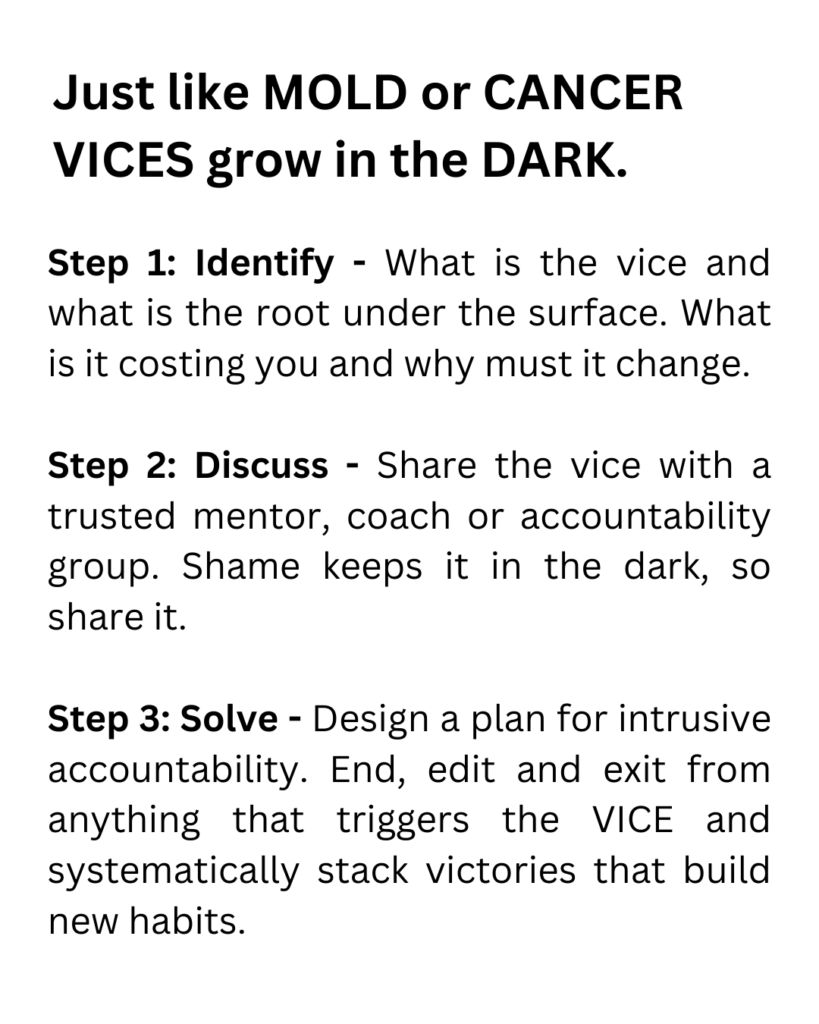
Imagine counting to four and feeling liberated from the habit that’s been holding you back, making you feel anxious or “guilty” at night. Imagine being able to eliminate a habit in just four steps. Sounds impossible? We’re here to show you how it can be done using a concrete strategy that anyone can apply to improve their daily life.
Understanding Habits
There are many types of habits that can negatively impact our health, such as smoking, overeating, or excessive screen time. However, not all habits are visible on the surface. Some might include procrastination, lack of exercise, nail biting, or neglecting environmental issues, which can affect us both internally and externally.
These habits may seem insignificant at first glance but can have a significant impact on our lives when left unchecked. For instance, smoking might seem like an isolated habit to some, but it’s actually linked to heart disease, lung cancer, and other serious health problems. Similarly, procrastination can lead to missed deadlines, lost opportunities, and stress.
Content
- Breaking Free from Habits Alone
- The 4-Step Process: Step 1 – Self-Awareness
- The 4-Step Process: Step 2 – Understanding the Habit
- The 4-Step Process: Step 3 – Identifying the Trigger
- The 4-Step Process: Step 4 – Implementing Change
Breaking Free from Habits Alone
While there’s no magic formula to break free from habits, and what works for one person may not work for another, with a clear strategy and commitment, anyone can overcome their own unique set of challenges.
It’s crucial that each individual becomes the “master of themselves,” which means being aware of their actions without deception. By understanding our behavior patterns, we can identify areas where we need improvement.
The 4-Step Process: Step 1 – Self-Awareness
Understanding how habits form is key to breaking them. The model SRG (signal – routine – gratification) was developed by researchers at MIT, and it explains the neurological mechanisms behind habit formation. The signal is the trigger that sets off an automatic response in our brain, often triggered by boredom or anxiety.
The first step in the 4-step process is self-awareness, where we acknowledge the habit and its impact on our lives. This level of awareness allows us to identify specific habits and recognize their effects on our mental and physical well-being.
For example, if you find yourself constantly scrolling through social media before bed, it may be a sign that your brain is seeking relaxation. Recognizing this pattern can help you develop healthier coping mechanisms to manage stress.
The 4-Step Process: Step 2 – Understanding the Habit
Once we’ve identified the habit, it’s essential to understand its underlying motivations. By recognizing what drives our behavior, we can find alternative solutions that satisfy these needs without resorting to harmful habits.
For instance, if you smoke to relax, finding healthier coping mechanisms like meditation or yoga might be more beneficial in the long run. Understanding your motivations can help you address the root cause of your habit and develop a plan to overcome it.
The 4-Step Process: Step 3 – Identifying the Trigger
Identifying the trigger is a critical step in breaking free from habits. The trigger can be a specific time of day, location, person, or even emotions.
By understanding what triggers our habits, we can develop strategies to overcome these triggers and replace them with healthier alternatives. For example, if you find yourself reaching for your phone every time you feel bored, try replacing that habit with reading a book or taking a short walk outside.
The 4-Step Process: Step 4 – Implementing Change
With the knowledge gained from previous steps, it’s time to implement change. This involves creating a new routine that replaces the old habit and finding ways to manage stress and emotions without resorting to harmful behaviors.
Implementing change requires commitment and patience. It may take some time to adjust to new habits, but the benefits can be significant in the long run.
Real-Life Examples
Here are some real-life examples of how the 4-step process can help individuals break free from habits:
- Overcoming Procrastination: Sarah has been putting off her college coursework for weeks. She identifies that she often procrastinates when feeling overwhelmed, and then recognizes that this behavior is linked to stress and anxiety. By breaking down her tasks into smaller chunks and setting regular deadlines, Sarah can overcome her fear of failure and make progress on her studies.
- Quitting Smoking: John has been smoking for years but wants to quit. He acknowledges his habit through self-awareness and identifies that he smokes due to stress and boredom. By finding healthier coping mechanisms like meditation and exercise, John can overcome his addiction and lead a healthier life.
Conclusion
Breaking free from habits is possible with a clear strategy, commitment, and self-awareness. By understanding how habits form and identifying the triggers that drive our behavior, we can develop healthier alternatives that improve our overall well-being.
It’s essential to remember that breaking habits is not about perfection; it’s about progress. Every small step counts, and celebrating small victories along the way can help keep us motivated.
Frequently Asked Questions
- Q: How do I know if I have a habit?
A: Pay attention to your daily routines and behaviors. If you notice patterns or activities that feel automatic, it’s likely a habit. - Q: Can breaking habits be difficult?
A: Yes, breaking habits can be challenging, but with persistence and the right strategies, anyone can overcome their own unique set of challenges. - Q: How do I create new routines to replace old habits?
A: Start by identifying what you want to achieve and then find alternative behaviors that align with your goals. - Q: What if I slip up after trying to break a habit?
A: Don’t get discouraged! Setbacks are inevitable, but getting back on track is easier than expected. Learn from the experience and move forward. - Q: How long does it take to see results from breaking habits?
A: The time it takes to see results varies depending on the individual and the habit being broken. Be patient, stay committed, and celebrate small victories along the way.
Remember, breaking free from habits is a journey that requires patience, persistence, and self-awareness. By understanding how habits form and implementing strategies to overcome them, you can create healthier, more fulfilling lives for yourself.


