
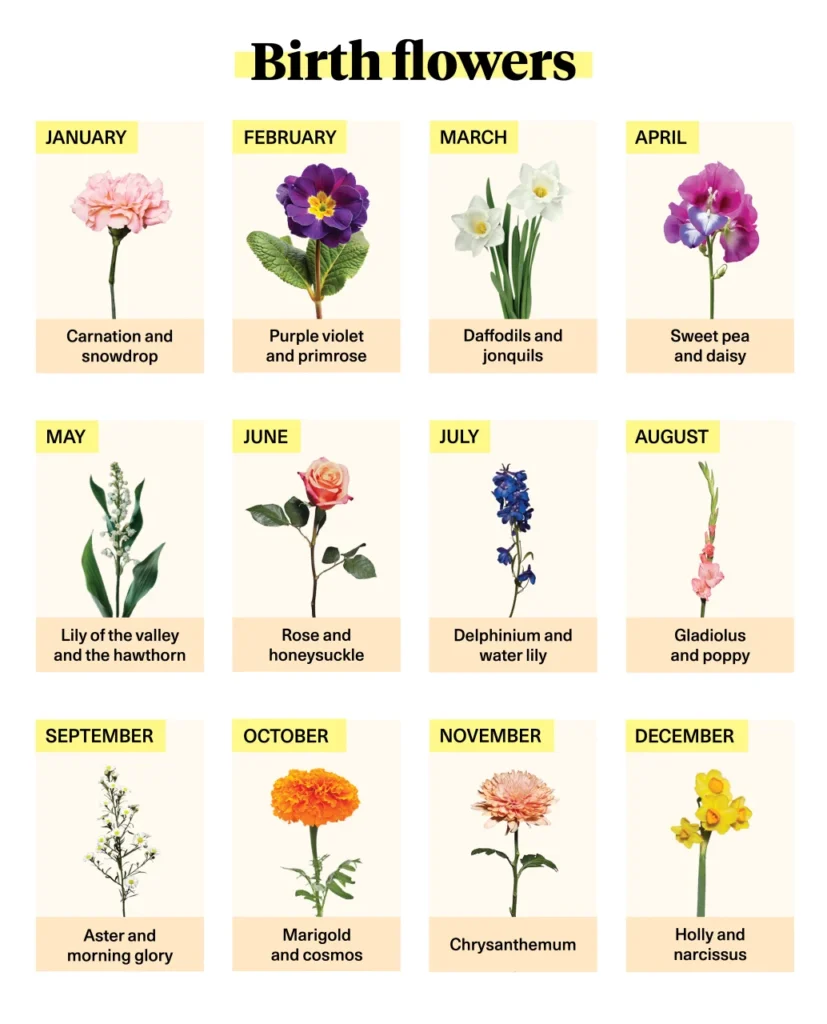
Are you looking for a way to apologize or forgive someone? You may want to consider using flowers. In fact, flowers can have symbolic meanings and be used to express a wide range of emotions, including forgiveness.
There are many types of flowers that represent forgiveness, each with its own unique symbolism. From the anemone to the orchid, gardenia, and more, these flowers can help you express your desire for forgiveness or to forgive someone else.
In this article, we will explore the different types of flowers that represent forgiveness and their symbolism. We will also provide some ideas on how you can use these flowers to apologize or forgive someone. Keep reading to find out how flowers can help you resolve conflicts and strengthen relationships.
The Origins of Forgiveness Flowers
The meaning of flowers can vary depending on the culture and history. The flowers that represent forgiveness were chosen for their beauty and symbolism. In this section, we will explore the history and symbolism of the flowers that represent forgiveness.
History and Culture
The tradition of using flowers to express forgiveness dates back centuries. In many cultures, flowers have been used to symbolize peace and reconciliation. For example, in Asian cultures, lotus flowers have been used to represent purity and rebirth.
In Europe, wildflowers and daisies were often used to symbolize peace and reconciliation. During the Middle Ages, flowers were used to express emotions of love and forgiveness.
Symbolism
The flowers that represent forgiveness were chosen for their symbolism. For example, white lilies represent purity and innocence, while white roses represent new beginnings and forgiveness.
Other flowers that represent forgiveness include:
- Anemone: represents hope and waiting
- Narcissus: represents new life and renewal
- Garlands of flowers: represent love and devotion
- Roses (pink or red): represent love, passion, and forgiveness
- Sunflowers: represent warmth, happiness, and loyalty
- Daisies: represent innocence, purity, and forgiveness
In conclusion, the flowers that represent forgiveness have been chosen for their beauty and symbolism. The tradition of using flowers to express forgiveness dates back centuries and has roots in many different cultures.
The Impact on Social Events
Forgiveness flowers have a significant impact on social events such as weddings, births, and funerals. For example, white tulips, yellow roses, and garlands of flowers are commonly used to express forgiveness during these occasions.
In addition, forgiveness flowers are often given during holidays like Christmas and Easter to express the desire for peace and reconciliation.
Weddings
At weddings, flowers that represent forgiveness are often used to symbolize love, commitment, and new beginnings. For example:
- White lilies: represent purity and innocence
- Peonies: represent romance and a happy marriage
- Roses (pink or red): represent love, passion, and forgiveness
Births
At births, flowers that represent forgiveness are often used to celebrate the arrival of a new life and symbolize peace and reconciliation. For example:
- Sunflowers: represent warmth, happiness, and loyalty
- Daisies: represent innocence, purity, and forgiveness
- Gerbera daisies: represent joy, innocence, and playfulness
Funerals
At funerals, flowers that represent forgiveness are often used to symbolize peace and reconciliation. For example:
- Chrysanthemums: represent longevity, honor, and loyalty
- Orchids: represent love, luxury, and refinement
- Gardenias: represent purity, innocence, and forgiveness
The Influence on Literature and Art
Forgiveness flowers have also had a significant impact on literature and art. For example, in classical literature, narcissus has been used to represent reconciliation and forgiveness.
In art, flowers that represent forgiveness have been depicted in many works of art, such as paintings and sculptures, to express the desire for peace and reconciliation.
Conclusion
Forgiveness flowers have had a significant impact on culture and society, representing the desire for peace and reconciliation in many occasions. Whether you’re looking to apologize or forgive someone, these flowers can help you express your feelings.
Frequently Asked Questions
- What are the best flowers to use for forgiveness?
The best flowers for forgiveness depend on personal preference and cultural tradition. Some popular options include anemone, narcissus, and lilies. - How do I choose the right flowers for forgiveness?
When choosing flowers for forgiveness, consider the occasion and the relationship between you and the person you’re apologizing to or forgiving. Choose flowers that have symbolic meanings relevant to your situation. - Can I use synthetic flowers for forgiveness?
While it’s possible to use synthetic flowers for forgiveness, natural flowers are often preferred due to their beauty and symbolism. - How do I care for forgiveness flowers?
To keep forgiveness flowers fresh and fragrant, make sure they receive plenty of water and sunlight. Remove dead petals daily to prevent decay. - Can I give forgiveness flowers as a gift?
Yes, giving forgiveness flowers as a gift is a thoughtful way to express your feelings and apologize or forgive someone. - What are the benefits of using flowers for forgiveness?
Using flowers for forgiveness has several benefits, including expressing emotions in a non-verbal way, promoting relaxation and stress relief, and fostering a sense of connection with others. - Can I use forgiveness flowers for personal growth?
Yes, using forgiveness flowers can be a powerful tool for personal growth and self-reflection. Reflecting on the symbolism behind the flowers can help you process your emotions and gain new insights. - How do I incorporate forgiveness flowers into my daily life?
To incorporate forgiveness flowers into your daily life, try giving yourself or others small bouquets of forgiveness flowers as a reminder to forgive and be forgiven.
Tips for Using Flowers for Forgiveness
- Choose flowers that have symbolic meanings relevant to your situation.
- Consider the occasion and the relationship between you and the person you’re apologizing to or forgiving.
- Use natural flowers whenever possible, as they tend to have a more meaningful symbolism than synthetic ones.
- Keep forgiveness flowers fresh and fragrant by providing them with plenty of water and sunlight.
- Remove dead petals daily to prevent decay and keep the flowers looking their best.
Final Thoughts
Using flowers for forgiveness can be a powerful way to express your emotions and foster a sense of peace and reconciliation in your life. By understanding the symbolism behind different types of flowers, you can use them to apologize or forgive someone, or to celebrate love, commitment, and new beginnings. Whether you’re looking to heal old wounds or build new relationships, forgiveness flowers can be a thoughtful and meaningful way to show your feelings.
Additional Resources
If you’re interested in learning more about the symbolism of flowers for forgiveness, we recommend checking out the following resources:
- “The Language of Flowers” by Vanessa Diffenbaugh
- “Flower Wisdom” by Nancy Bubel
- “The Symbolism of Flowers” by various authors and publications
These books and resources can provide you with a deeper understanding of the symbolism behind different types of flowers, as well as tips for using them to express your emotions in a meaningful way.


