
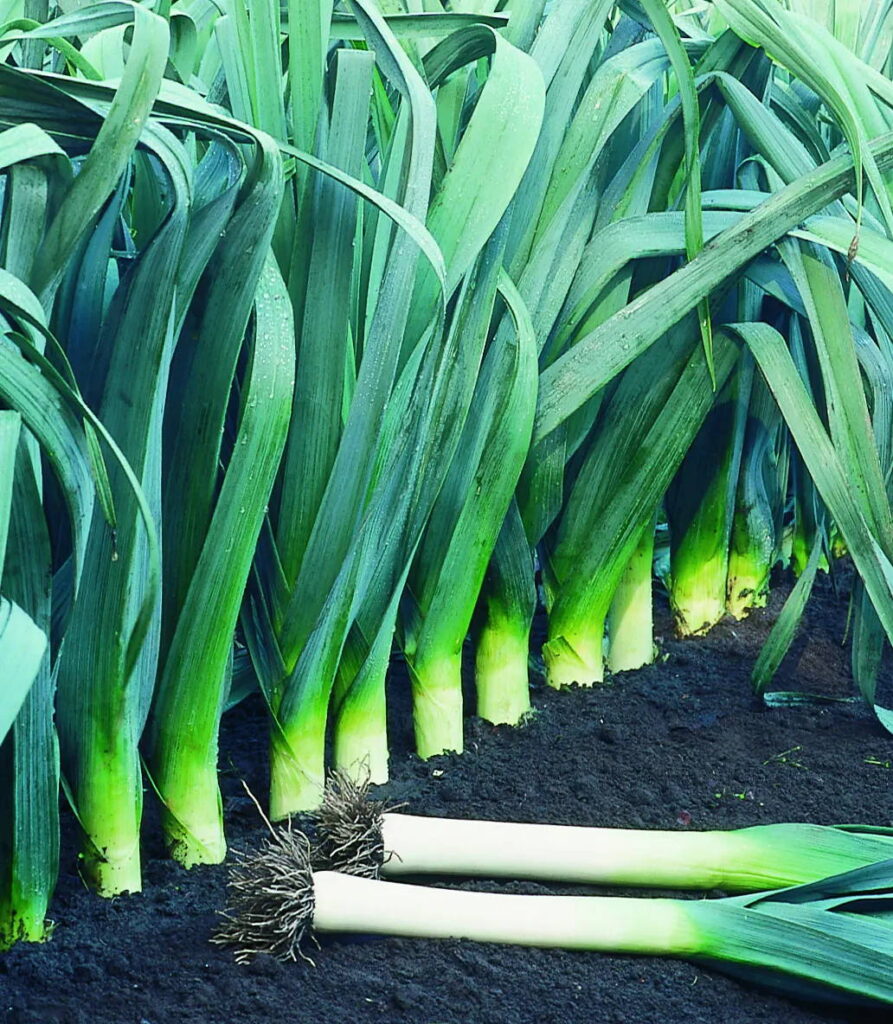
As the winter months approach, many gardeners wonder what vegetables they can still cultivate during this time. One such crop is the humble leek, which can thrive in cold temperatures and adapt to various types of soil. In this article, we’ll explore how to grow leeks, from sowing seeds to harvesting, as well as provide valuable tips for maintaining their health.
Choosing the Right Variety
When it comes to selecting leek varieties, there are several options available. Some popular ones include:
- Elephant
- Giant of Winter
- Giant of Italy
- Short Stalk
Each variety has its unique characteristics and growth patterns. For example, the Elephant variety is known for its compact growth habit, while the Giant of Winter produces longer stalks.
When selecting a variety, consider factors such as your climate, soil type, and desired harvest period. Some varieties may be more suitable for specific regions or conditions.
Sowing Seeds
Leek seeds can be sown in a warm location, typically between late December and early February. This allows them to germinate before being transplanted into outdoor soil.
To sow seeds:
- Prepare a warm environment by heating it up.
- Fill a container with a layer of compost or peat moss.
- Sow the seeds about 1 cm deep in each hole.
- Cover the seeds with a thin layer of soil and water gently.
- Keep the soil moist but not waterlogged.
Transplanting
Once the seedlings have developed sufficient roots, they can be transplanted into outdoor soil. This is usually done around late March or early April, depending on your location’s climate.
To transplant:
- Harden off the seedlings by gradually exposing them to outdoor conditions over 7-10 days.
- Dig shallow holes in well-draining soil and place the seedlings in them.
- Water thoroughly and provide adequate support for the growing leeks.
Growing Leeks
Leeks require minimal care but do need some attention:
- Soil preparation: Leeks prefer a light, fertile soil with good drainage. Consider adding organic matter like compost or manure to improve soil structure and fertility.
- Spacing: Plant leeks about 20 cm apart to prevent overcrowding and promote healthy growth.
- Support: Provide support for the growing leeks using stakes or a trellis. This will help keep them upright and prevent damage from wind or pests.
- Fertilization: Feed your leeks with compost tea or a balanced fertilizer every now and then. Avoid overfertilizing, as this can lead to weak growth.
Common Issues
Like any crop, leeks are susceptible to certain pests and diseases:
- Leek aphid: A small, pear-shaped insect that can cause damage to the leaves.
- Tignola del porro: A fungal disease that can cause lesions on the stalks.
- Ruggini: A condition caused by excessive moisture, leading to soft, mushy stems.
To manage these issues:
- Inspect your leeks regularly for signs of pests or diseases.
- Use organic pest control methods whenever possible.
- Practice good hygiene and crop rotation techniques to prevent the spread of disease.
Harvesting
Leeks are ready to harvest when the white base is about 6-8 cm long. You can harvest them by:
- Cutting off the green tops just above the soil line.
- Digging up the entire leek, leaving a small amount of stem attached.
For optimal flavor and texture, it’s best to harvest leeks in the morning, when the leaves are still fresh and crisp.
Tips for Maintaining Healthy Leeks
To ensure healthy growth and a bountiful harvest:
- Keep the soil consistently moist but not waterlogged.
- Provide adequate sunlight (at least 6 hours of direct sunlight per day).
- Mulch around the plants to retain moisture and suppress weeds.
- Rotate your leek crop every 2-3 years to prevent depleting the soil of nutrients.
Special Considerations
When growing leeks, consider the following special factors:
- Leek family: Leeks are members of the Allium family, which also includes garlic, onions, and chives. Be aware that these plants share similar pest and disease susceptibility.
- Growing leeks in containers: While it’s possible to grow leeks in containers, they require a deep root system and prefer well-draining soil. Avoid using small pots or planters, as this can lead to stunted growth.
- Using leek varieties for cooking: Some leek varieties are better suited for specific culinary uses. For example, the Elephant variety is great for slicing and sautéing, while the Giant of Winter produces longer stalks that make excellent soup bases.
Frequently Asked Questions
Q: Can I grow leeks in containers?
A: No, it’s not recommended to grow leeks in containers. They require a deep root system and prefer well-draining soil.
Q: How often should I water my leeks?
A: Water your leeks when the top inch of soil feels dry to the touch. Avoid overwatering, which can lead to disease.
Q: Can I grow leeks in poor soil?
A: Leeks prefer well-draining soil with a pH between 6.0 and 7.0. If your soil is poor, consider amending it before planting.
Q: How long does it take for leeks to mature?
A: Leeks typically take around 3-4 months to mature from sowing seeds.
Q: Can I store leeks in the fridge?
A: Yes, you can store leeks in the fridge for up to 2 weeks. Cut them just above the soil line and place them in a paper bag or wrap them tightly in plastic wrap.
Q: Are leeks edible year-round?
A: Leeks are typically harvested between spring and fall. However, they can be grown year-round in certain climates with protection from extreme temperatures.
Q: Can I grow leeks from store-bought roots?
A: Yes, you can propagate leeks by dividing the root system or using store-bought roots to start a new crop.
Q: How many leeks can I plant per square meter?
A: A general rule of thumb is to plant 2-3 leeks per square meter, spaced about 20 cm apart.


