
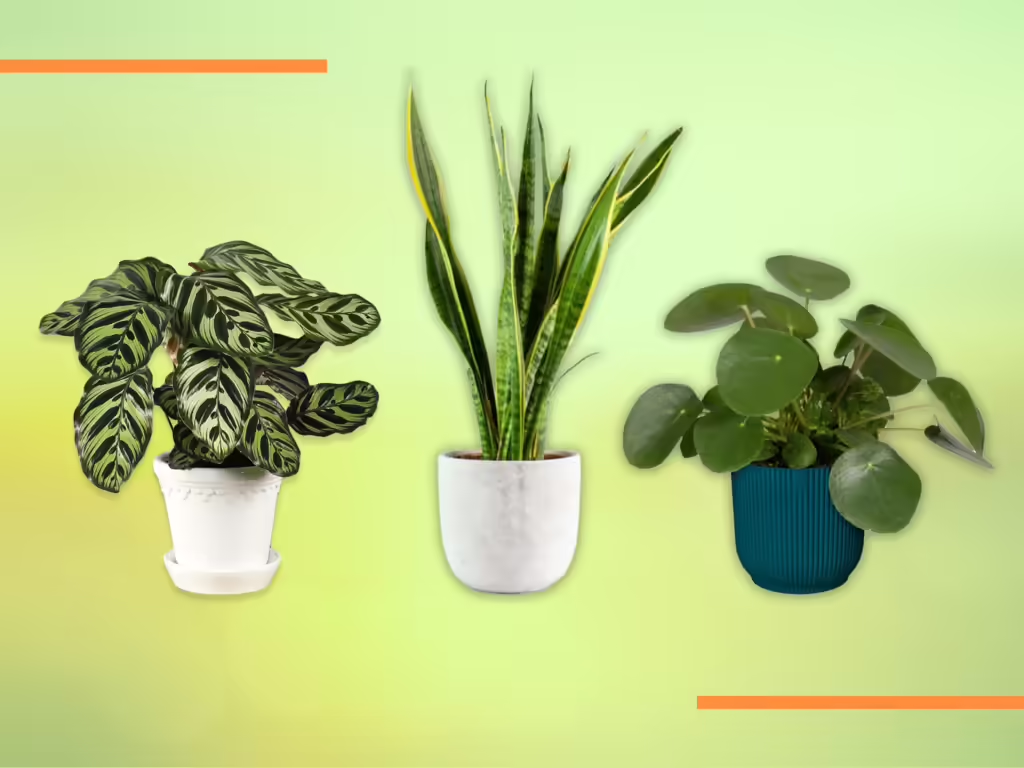
Ornamental plants are a great way to add some elegance and freshness to your home. Whether you prefer greenery or flowers, there’s an endless variety of options available in stores today. But with so many choices, it can be overwhelming to decide which ones will thrive in your space.
Understanding the Needs of Tropical Plants
One thing to keep in mind is that most ornamental plants are tropical, meaning they thrive in warm, humid environments. To replicate this at home, it’s best to keep them away from direct sunlight and maintain a temperature around 20 degrees Celsius. If possible, you can also create a humid environment by misting the leaves with an spritz bottle.
Tropical plants require more attention when it comes to watering, as they tend to lose moisture quickly. This is because of their high evapotranspiration rate, which means they release water vapor into the air through transpiration. To combat this, make sure to water your tropical plant thoroughly, but avoid overwatering, which can lead to root rot.
Lighting: The Key to Success
Another important consideration is lighting. Some plants prefer low light conditions, while others love bright, indirect light. For example, Dracaena, Anthurium, and Sansevieria do well in low-light spots, whereas Ficus and Philodendron need more direct sunlight.
When it comes to indoor lighting, consider the time of day and the direction of the sun. East-facing windows receive gentle, morning light, while west-facing windows get stronger, afternoon light. South-facing windows, on the other hand, receive intense, direct sunlight that can scorch some plants.
Flowering Plants: A Bit More Demanding
If you’re looking for plants that produce flowers like orchids, begonias, or ivies, they require a lot of light. However, be careful not to expose them directly to the sun, as this can cause damage.
Flowering plants also need more attention when it comes to fertilizing and pruning. Many flowering plants have specific fertilization requirements and may need to be pruned regularly to maintain their shape and encourage blooming.
Temperature and Air Circulation: Crucial Factors
Keep in mind that temperature and air circulation are also essential factors when choosing ornamental plants. Avoid placing them near heaters or drafty areas, as they can dry out quickly.
A temperature range of 15-24°C (59-75°F) is ideal for most ornamental plants. However, some plants, like African Violets and Begonias, prefer cooler temperatures between 12-18°C (54-64°F).
Air circulation is also important, as it helps prevent fungal diseases that thrive in stagnant air. Good air circulation can be achieved by using fans or placing plants on shelves or tables to create a gap between the plant and the wall.
Watering 101: How Often to Water Your Plants
Watering is an art! Make sure to use room-temperature water that’s free from calcium and chlorine to avoid harming the roots. The frequency of watering depends on the plant size; smaller plants need more frequent watering than larger ones, as they absorb less moisture.
Here are some general guidelines for watering different types of plants:
- Ferns and peace lilies: Water every 2-3 days
- Snake plants and spider plants: Water every 4-5 days
- Ficus and philodendron: Water every 7-10 days
- Cacti and succulents: Water sparingly, allowing soil to dry out completely between waterings
Choosing the Right Pot
Your pot plays a vital role in maintaining healthy plants. Choose one that allows for good drainage to prevent waterlogged soil. After about a year, it’s recommended to repot your plant in a slightly larger container with fresh soil and fertilize well.
A well-draining pot can be made by adding perlite or vermiculite to the soil mixture. This will help prevent water from accumulating in the soil and reduce the risk of root rot.
How Plants Can Improve Indoor Air Quality
You might be surprised to learn that some ornamental plants can actually help purify the air and create a healthier indoor environment! Some popular options include:
- Peace lily: Known for its ability to remove formaldehyde, benzene, and other volatile organic compounds (VOCs) from the air
- Dracaena: Effective at removing trichloroethylene and other VOCs from the air
- Philodendron: Good at removing benzene, formaldehyde, and xylene from the air
- Spider plant: Excellent at removing radon and other radioactive gases from the air
These plants work by absorbing pollutants through their leaves and releasing oxygen as a byproduct. They’re an excellent addition to any home or office looking to improve indoor air quality.
10 FAQs About Ornamental Plants
- What’s the best way to care for my new plant?
Make sure to follow these general tips: provide good lighting, maintain a consistent temperature, water thoroughly, and fertilize regularly. - How often should I water my plants?
Check the soil moisture by sticking your finger into the soil up to the first knuckle. If it feels dry, it’s time for watering! - Can I grow plants in low-light conditions?
Yes! Some plants, like Chinese Evergreen and Pothos, can thrive in low-light environments. - What types of plants are best suited for small spaces?
Compact varieties like Dwarf Palm, Mini Succulents, or Small Fiddle Leaf Fig work well in tight areas. - How do I prevent pests from infesting my plants?
Regularly inspect your plants for signs of pests and treat them promptly if you spot any issues. - Can I propagate my plant using cuttings?
Yes! Many plants can be propagated through stem or leaf cuttings, but research specific techniques for your plant species. - What’s the deal with overwatering? How do I avoid it?
Overwatering occurs when you water your plant too much, leading to root rot and other issues. Check the soil moisture regularly and reduce watering frequency if necessary. - How often should I fertilize my plants?
Fertilize sparingly during the growing season (spring-fall) with a balanced fertilizer. Skip fertilizing during the dormant season (winter). - Can I grow plants outside in areas with extreme temperatures?
Some plants can tolerate cold or hot temperatures, but most prefer consistent temperatures between 60-75°F (15-24°C). Check your plant’s specific requirements before moving it outside. - How do I identify common plant diseases and pests?
If you suspect a fungal disease like root rot or leaf spot, treat the affected area promptly with fungicides. For insect infestations, inspect plants closely and use organic pest control methods whenever possible.
Conclusion
Choosing the right ornamental plants for your home can be overwhelming, but by understanding their needs and following some basic care guidelines, you’ll be well on your way to becoming an expert in plant care. Remember to choose plants that suit your lifestyle and the specific conditions of your space, and don’t hesitate to reach out to a local nursery or gardening expert if you have any questions or concerns.
By incorporating ornamental plants into your home decor, you can not only improve indoor air quality but also create a beautiful, peaceful atmosphere that promotes relaxation and well-being. Whether you’re looking for low-maintenance options like succulents or high-maintenance flowers like orchids, there’s an ornamental plant out there that’s perfect for you.
So go ahead, get creative with your plant selection, and enjoy the many benefits of having beautiful, thriving plants in your home!


