
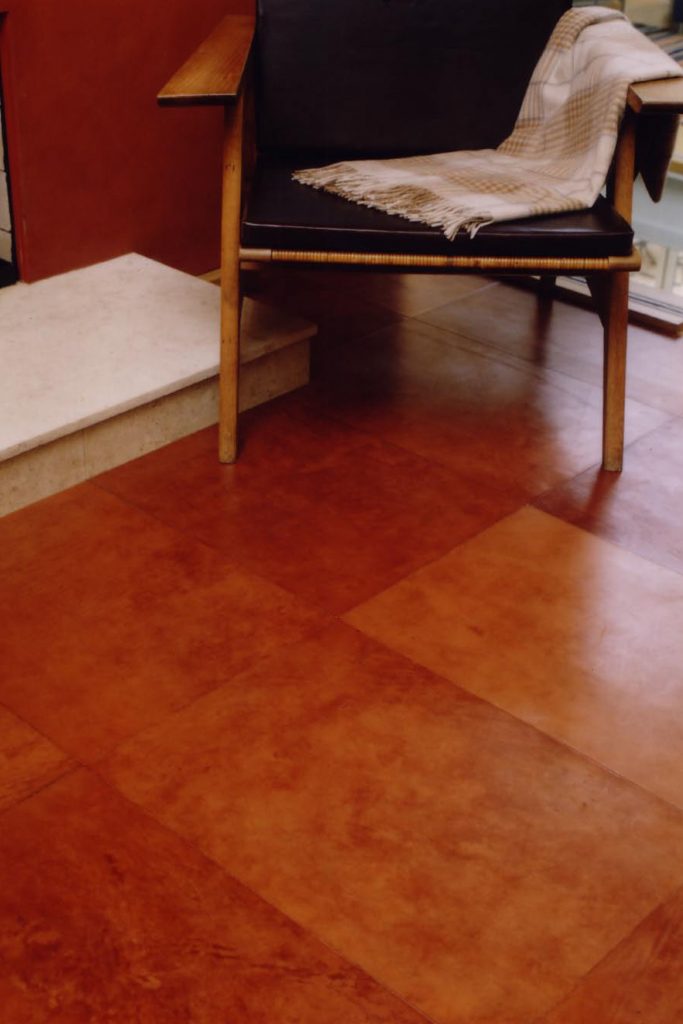
Luxury Flooring with Leather: All You Need to Know Before Installing
Leather flooring is a luxurious and elegant choice for homeowners who want to add a touch of sophistication to their space. With its unique characteristics, such as softness, elegance, and durability, leather flooring has become a popular choice among those seeking a high-end look.
Characteristics of Leather Flooring
Leather flooring is not just about aesthetics; it also offers several benefits. Unlike traditional wood or tile flooring, leather flooring is not made from simple tiles but from complex forms that add to its luxurious feel. The characteristics of leather flooring include:
- Softness and elegance
- Durability and resistance
- Unique and stylish appearance
Softness and Elegance
Leather flooring is known for its softness underfoot, making it a comfortable choice for homes with high-traffic areas or bedrooms. The softness of leather flooring also creates a luxurious feel that can elevate the overall aesthetic of a room.
Durability and Resistance
Unlike traditional wood or tile flooring, leather flooring is more resistant to wear and tear. It can withstand heavy foot traffic and spills without suffering damage. Leather flooring is also resistant to scratches and scuffs, making it a great choice for homes with pets or young children.
Unique and Stylish Appearance
Leather flooring comes in various colors, patterns, and textures, allowing homeowners to choose the perfect look for their space. From classic black leather to luxurious brown leather, there’s a style of leather flooring that can complement any decor.
Using Leather for Interior Design
Leather is a natural material that can be used in various ways, including interior design. It is often used to create walls, floors, and even railings. The use of leather in interior design is not limited to flooring; it can also be used for upholstery, accessories, and other decorative elements.
Benefits of Using Leather Flooring
There are several benefits to using leather flooring:
- Elegant and stylish appearance
- Softness and comfort underfoot
- Durability and resistance to wear and tear
- Unique sound-absorbing properties
Elegant and Stylish Appearance
Leather flooring is a luxurious choice for homes, adding an elegant touch that can elevate the overall aesthetic of a room. The unique colors and patterns available in leather flooring make it a great way to create a stylish and sophisticated look.
Softness and Comfort Underfoot
Leather flooring is known for its softness underfoot, making it a comfortable choice for homes with high-traffic areas or bedrooms. The softness of leather flooring also creates a luxurious feel that can elevate the overall aesthetic of a room.
Durability and Resistance to Wear and Tear
Unlike traditional wood or tile flooring, leather flooring is more resistant to wear and tear. It can withstand heavy foot traffic and spills without suffering damage. Leather flooring is also resistant to scratches and scuffs, making it a great choice for homes with pets or young children.
Unique Sound-Absorbing Properties
Leather flooring has unique sound-absorbing properties that can help reduce noise levels in a room. This makes it a great choice for homes with open-plan living areas or those who value peace and quiet.
Types of Leather Flooring
Leather flooring comes in various forms, including tiles, listons, and panels. The type of leather used can also affect the final product’s appearance and durability.
- Tiles: Made from leather strips or sheets that are glued together to form a single unit.
- Listons: Thin strips of leather that are nailed onto a wooden base to create a seamless look.
- Panels: Large pieces of leather that are mounted on top of a subfloor using nails, screws, or adhesives.
Tiles
Leather tiles are made from leather strips or sheets that are glued together to form a single unit. They can be cut into various sizes and patterns to fit the specific needs of a room. Leather tiles are often used in high-traffic areas or for decorative purposes.
Listons
Thin strips of leather (listons) are nailed onto a wooden base to create a seamless look. Listons are often used in formal settings, such as luxury living rooms or offices. They add an elegant touch that can elevate the overall aesthetic of a room.
Panels
Large pieces of leather (panels) are mounted on top of a subfloor using nails, screws, or adhesives. Panels are often used in formal settings, such as luxury bedrooms or dining rooms. They add an elegant touch that can elevate the overall aesthetic of a room.
Sustainability and Eco-Friendliness
Leather is a natural material that can be sourced from sustainable sources. The production process also involves recycling old leathers to create new products.
- Recycled Leathers: Old leather scraps are collected and recycled into new products.
- Sustainable Sourcing: Leather is sourced from environmentally friendly farms and suppliers.
Recycled Leathers
Old leather scraps are collected and recycled into new products. This process helps reduce waste and conserve natural resources. Recycled leathers can be used in various applications, such as furniture upholstery or flooring.
Sustainable Sourcing
Leather is sourced from environmentally friendly farms and suppliers. This ensures that the production process has minimal impact on the environment. Sustainable sourcing also promotes fair labor practices and supports local communities.
Cost of Leather Flooring
The cost of leather flooring can vary greatly depending on the type, quality, and size of the product. Here are some general price ranges:
- Tiles: €150-€300 per square meter
- Listons: €100-€250 per linear meter
- Panels: €200-€500 per square meter
Tiles: €150-€300 per square meter
Leather tiles are a popular choice for homeowners due to their versatility and durability. The price of leather tiles can vary depending on the type, quality, and size of the product. Here are some general price ranges:
- Budget-friendly options: €100-€200 per square meter
- Mid-range options: €150-€300 per square meter
- Luxury options: €300-€500 per square meter
Listons: €100-€250 per linear meter
Thin strips of leather (listons) are nailed onto a wooden base to create a seamless look. The price of listons can vary depending on the type, quality, and size of the product. Here are some general price ranges:
- Budget-friendly options: €50-€100 per linear meter
- Mid-range options: €100-€200 per linear meter
- Luxury options: €200-€250 per linear meter
Panels: €200-€500 per square meter
Large pieces of leather (panels) are mounted on top of a subfloor using nails, screws, or adhesives. The price of panels can vary depending on the type, quality, and size of the product. Here are some general price ranges:
- Budget-friendly options: €150-€300 per square meter
- Mid-range options: €200-€400 per square meter
- Luxury options: €400-€500 per square meter
Installation Methods
Leather flooring can be installed using various methods, including adhesives, nails, and screws. The choice of installation method depends on the type of leather and the subfloor.
Adhesive Installation
Leather tiles or panels are glued onto a subfloor using an adhesive. This method is often used in formal settings, such as luxury living rooms or offices. Adhesive installation provides a seamless look that can elevate the overall aesthetic of a room.
Nail Installation
Thin strips of leather (listons) are nailed onto a wooden base to create a seamless look. Nail installation is often used in high-traffic areas or for decorative purposes. This method provides a durable and long-lasting finish.
Screw Installation
Large pieces of leather (panels) are mounted on top of a subfloor using screws. Screw installation is often used in formal settings, such as luxury bedrooms or dining rooms. This method provides a strong and secure bond between the leather and subfloor.
Conclusion
Leather flooring is a luxurious and elegant choice for homeowners who want to add a touch of sophistication to their space. With its unique characteristics, such as softness, elegance, and durability, leather flooring has become a popular choice among those seeking a high-end look. Whether you choose tiles, listons, or panels, leather flooring can be installed using various methods, including adhesives, nails, and screws.
Frequently Asked Questions
- What is the average lifespan of leather flooring?
- Leather flooring can last for up to 20-30 years with proper care and maintenance.
- How do I clean and maintain my leather flooring?
- Regularly vacuum and sweep the floor to remove dirt and debris.
- Can I install leather flooring over existing floors?
- Yes, but it’s recommended to check the condition of the subfloor before installation.
- What are some common mistakes to avoid when installing leather flooring?
- Make sure to measure accurately, use the correct installation method, and follow manufacturer instructions.
Additional Resources
- Leather Flooring Guide: A comprehensive guide to leather flooring, including installation methods, maintenance tips, and more.
- Sustainable Flooring Options: Explore eco-friendly flooring options, such as bamboo, cork, and recycled materials.


