
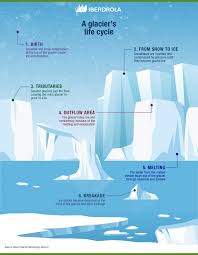
As we stand at the precipice of a new era, it’s imperative to acknowledge the alarming reality of glacier disintegration. The Earth’s system is facing an unprecedented crisis, and our actions have consequences that transcend borders and generations. In this article, we’ll delve into the causes and effects of glacier melting, exploring its far-reaching implications for our planet and humanity.
Understanding Glacier Disintegration
Glaciers are natural reservoirs of freshwater, covering approximately 10% of the Earth’s land surface. They play a crucial role in regulating global climate patterns, influencing weather events, and maintaining ecosystems. However, human activities have exacerbated glacier melting, leading to catastrophic consequences. The scientific consensus is clear: human-induced greenhouse gas emissions are driving this disintegration.
Glaciers are formed through a process called orogenesis, where tectonic forces compress snow into ice over thousands of years. This compression causes the ice to flow downhill, forming glaciers that can be several kilometers thick and hundreds of meters wide. The weight of the glacier compresses the underlying rock, creating unique landscapes and ecosystems.
However, human activities have disrupted this delicate balance. Climate change is causing temperatures to rise, leading to melting of glaciers at an unprecedented rate. This not only affects the glaciers themselves but also has far-reaching consequences for global climate patterns, weather events, and ecosystems.
Consequences of Glacier Disintegration
The effects of glacier melting are multifaceted and far-reaching:
- Water Scarcity: Glacier melting contributes significantly to global sea level rise, threatening coastal communities and cities worldwide. This increased water scarcity will have devastating impacts on agriculture, industry, and human settlements.
- Climate Disruption: Changes in precipitation patterns, temperature fluctuations, and increased extreme weather events will continue to devastate ecosystems, agriculture, and human settlements. This disruption will lead to food shortages, displacement of people, and loss of biodiversity.
- Ecosystem Collapse: The loss of glacier ice will lead to the disappearance of unique ecosystems, compromising biodiversity and the delicate balance of our planet’s ecosystem services. This collapse will have far-reaching consequences for global health, economy, and security.
Regional Impacts
Glacier melting is affecting regions worldwide:
- Arctic Region: The Arctic Circle is warming at a rate twice as fast as the global average, causing glaciers in this region to melt dramatically. The impact on polar bears, walruses, and other Arctic species will be severe.
- Alpine Regions: Glaciers in mountain ranges like the Himalayas, Patagonia, and Alaska are shrinking at an alarming rate. This melting will lead to increased flooding, landslides, and loss of unique ecosystems.
- Italian Alps: The Italian Alps, once home to extensive glacier coverage, have lost significant amounts of ice in recent decades. This has resulted in increased soil erosion, water scarcity, and loss of agricultural productivity.
Causes of Glacier Disintegration
The primary causes of glacier melting are:
- Greenhouse Gas Emissions: Human activities such as burning fossil fuels and deforestation contribute significantly to greenhouse gas emissions.
- Aerosol Pollution: Aerosols from industrial activities and agricultural practices further exacerbate climate change.
- Land Use Changes: Deforestation, urbanization, and infrastructure development have disrupted natural ecosystems, accelerating glacier melting.
The Science Behind Glacier Disintegration
Glacier disintegration is a complex process influenced by various factors:
- Temperature Increase: Rising temperatures are causing glaciers to melt at an unprecedented rate.
- Snowmelt: Changes in precipitation patterns are leading to increased snowmelt, which contributes to glacier melting.
- Ocean Acidification: The absorption of carbon dioxide from the atmosphere is causing ocean acidification, which affects marine ecosystems and increases the risk of glacier melting.
The Window for Action
While the situation is dire, there is still hope. We can mitigate the effects of glacier disintegration by:
- Transitioning to Renewable Energy: Switching from fossil fuels to renewable energy sources like solar, wind, and hydroelectric power.
- Conserving Forests: Protecting and reforestation efforts can help sequester carbon dioxide from the atmosphere.
- Reducing Waste: Minimizing waste, especially plastic waste, is essential for preserving ecosystems.
The Economics of Glacier Disintegration
The economic impacts of glacier disintegration are significant:
- Water Resource Management: Managing water resources will become increasingly challenging due to reduced snowmelt and increased evaporation.
- Agricultural Productivity: Changes in climate patterns and temperature fluctuations will impact agricultural productivity, leading to food shortages and economic losses.
- Tourism and Recreation: The loss of glaciers will affect tourism and recreation industries, impacting local economies.
Conclusion
Glacier disintegration is a pressing global issue, requiring immediate attention and collective action. We must recognize the causes of this crisis and work together to mitigate its effects. By transitioning to renewable energy sources, conserving forests, and reducing waste, we can safeguard our planet’s future and ensure a livable world for generations to come.
Frequently Asked Questions (FAQs)
- Q: What is the impact of glacier melting on sea levels?
A: Glacier melting contributes significantly to global sea level rise, threatening coastal communities and cities worldwide. - Q: How do greenhouse gas emissions affect glaciers?
A: Greenhouse gas emissions trap heat in the atmosphere, leading to warming and glacier melting. - Q: Can we reverse the effects of glacier disintegration?
A: While some damage is irreversible, collective action can slow down glacier melting and mitigate its consequences. - Q: What role do aerosols play in glacier melting?
A: Aerosol pollution from industrial activities exacerbates climate change, contributing to glacier melting. - Q: How can we reduce waste and minimize our impact on glaciers?
A: Reducing plastic waste, conserving natural resources, and adopting sustainable practices are essential for preserving ecosystems.
By understanding the causes and consequences of glacier disintegration, we can take action to mitigate its effects and ensure a livable future for all. It’s time to recognize the urgency of this crisis and work together towards a sustainable future.


