
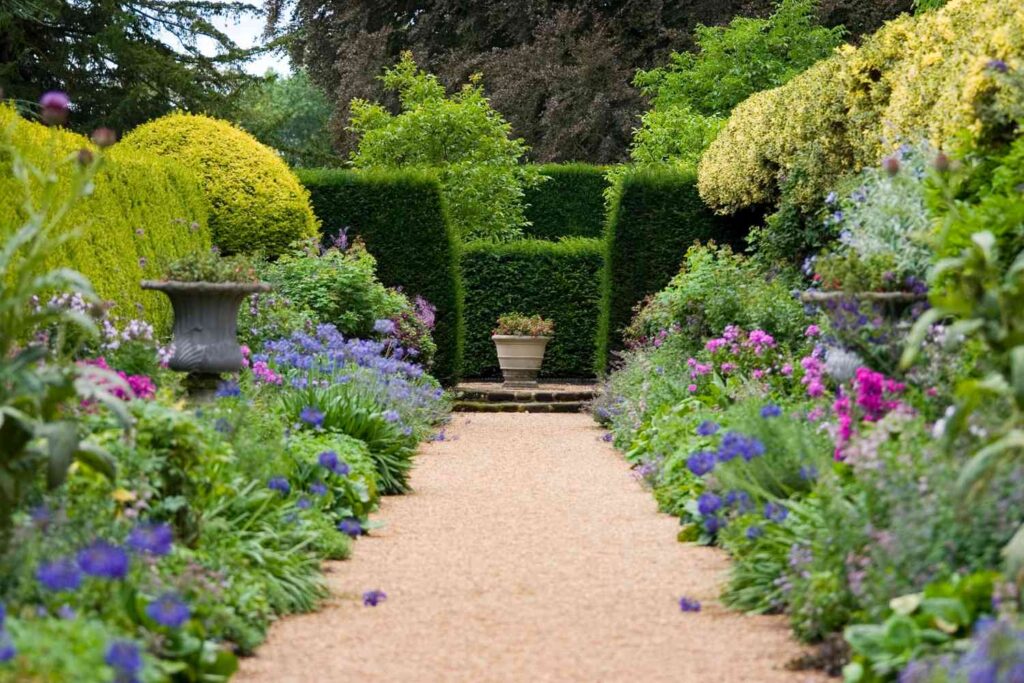
An English garden is a type of outdoor space that features a series of distinct areas, each with its own unique character and charm. The concept of the English garden originated in the 18th century, when designers began to move away from the rigid geometric shapes of traditional gardens and instead created spaces that were more natural and spontaneous.
The Characteristics of an English Garden
One of the defining features of an English garden is its emphasis on naturalism. Unlike formal gardens, which are designed with precise lines and symmetries, English gardens feature a more relaxed, informal approach to design. The spaces are often divided into distinct areas, each with its own unique character, and the plants and trees are selected for their beauty, fragrance, and wildlife value.
How to Create an English Garden
Creating an English garden requires careful planning and attention to detail. Here are some tips to help you get started:
Step 1: Plan Your Space
Before you begin designing your English garden, it’s essential to take stock of the space itself. Measure out the dimensions of your garden, taking note of any obstacles or features that may impact your design. Consider the amount of sunlight and shade each area will receive, as well as the type of soil and drainage.
Step 2: Choose Your Plants
The plants you choose for your English garden will play a crucial role in determining its overall character and charm. Look for a mix of native plants, shrubs, and trees that are suited to your climate and soil type. Consider using plants with different textures, colors, and fragrances to add depth and interest to your garden.
Step 3: Create Distinct Areas
English gardens typically feature distinct areas or “rooms” that are separated by features such as hedges, walls, or trellises. These areas can be used to create different moods or atmospheres, depending on the plants and features you choose.
Step 4: Add Decorative Elements
To complete your English garden, add decorative elements such as benches, statues, and water features. Consider using natural materials like stone, wood, and brick to create a cohesive look.
Tips for Creating a Traditional English Garden
- Use native plants and shrubs to reduce maintenance and create a more authentic look.
- Incorporate a variety of textures, colors, and fragrances to add depth and interest to your garden.
- Consider adding a pond or water feature to create a soothing sound and attract wildlife.
- Don’t be afraid to experiment and try new things – English gardens are all about embracing imperfection and spontaneity.
Common Mistakes to Avoid
- Using too many similar plants, which can make your garden look uniform and lacking in character.
- Failing to consider the soil type and drainage when selecting plants.
- Not leaving enough space between features for a natural, relaxed feel.
- Overusing decorative elements, which can detract from the natural beauty of your garden.
Design Considerations
When designing an English garden, there are several design considerations to keep in mind:
- Scale: Make sure that all elements in your garden are proportional to each other and to the overall space.
- Balance: Create a sense of balance by distributing visual weight evenly throughout the garden.
- Texture: Incorporate a variety of textures, such as smooth stone, rough wood, and soft grasses, to add depth and interest to your garden.
- Color: Choose plants with different colors to create a visually appealing palette.
Creating Distinct Areas
English gardens often feature distinct areas or “rooms” that are separated by features such as hedges, walls, or trellises. These areas can be used to create different moods or atmospheres, depending on the plants and features you choose.
- Pond: A pond is a great way to add a soothing sound and attract wildlife to your garden.
- Orchard: An orchard can provide shade, fruit, and beauty to your English garden.
- Garden Room: A garden room can be used as a seating area or workspace, and can be designed to match the overall style of your garden.
Lighting
Lighting is an important consideration when designing an English garden. Here are some tips for incorporating lighting into your design:
- Solar-Powered Lights: Solar-powered lights are a great option for English gardens, as they are energy-efficient and environmentally friendly.
- String Lights: String lights can add a warm and cozy ambiance to your garden, especially in the evening hours.
- Floodlights: Floodlights can be used to highlight specific features or plants in your garden.
Water Features
Water features are a popular element of English gardens. Here are some tips for incorporating water features into your design:
- Pond: A pond is a great way to add a soothing sound and attract wildlife to your garden.
- Fountain: A fountain can be used to create a visually appealing centerpiece for your garden.
- Stream: A stream can provide movement and sound to your English garden.
Paths
Paths are an essential element of any English garden. Here are some tips for incorporating paths into your design:
- Gravel: Gravel is a great option for paths, as it is easy to maintain and can be used in a variety of settings.
- Wood Chips: Wood chips can provide a natural and rustic look to your path.
- Brick: Brick paths are durable and low-maintenance, making them a popular choice for English gardens.
Benches and Seating
Benches and seating areas are an important element of any English garden. Here are some tips for incorporating benches and seating into your design:
- Outdoor Sofas: Outdoor sofas can provide comfortable seating for relaxing in your garden.
- Bench: A bench is a great option for creating a cozy reading nook or conversational area in your garden.
- Garden Chairs: Garden chairs can be used to create a stylish and functional seating area.
Decorative Elements
Decorative elements such as statues, sundials, and birdhouses can add interest and personality to your English garden. Here are some tips for incorporating decorative elements into your design:
- Statue: A statue can provide a unique focal point in your garden.
- Sundial: A sundial can be used to create a fun and educational element in your garden.
- Birdhouse: A birdhouse can attract wildlife to your garden and provide entertainment.
Conclusion
Creating an English garden is all about embracing the spirit of traditional British gardening – natural, spontaneous, and full of character. By following these tips and avoiding common mistakes, you can create a beautiful outdoor space that will bring joy and tranquility to your home for years to come.
FAQs
- What are the key characteristics of an English garden?
- Naturalism, distinct areas or “rooms,” native plants and shrubs.
- How do I plan my English garden?
- Measure out the dimensions of your space, consider sunlight, shade, soil type, and drainage.
- What types of plants are best suited for an English garden?
- Native plants, shrubs, and trees with different textures, colors, and fragrances.
- How can I create distinct areas in my English garden?
- Use features such as hedges, walls, or trellises to separate areas.
- What decorative elements should I use in my English garden?
- Benches, statues, water features, natural materials like stone, wood, and brick.
Resources
- “The English Garden” by Jane Brown
- “Gardening for Dummies” by Mary Ann Evans
- “English Garden Design” by Chris Marley


