
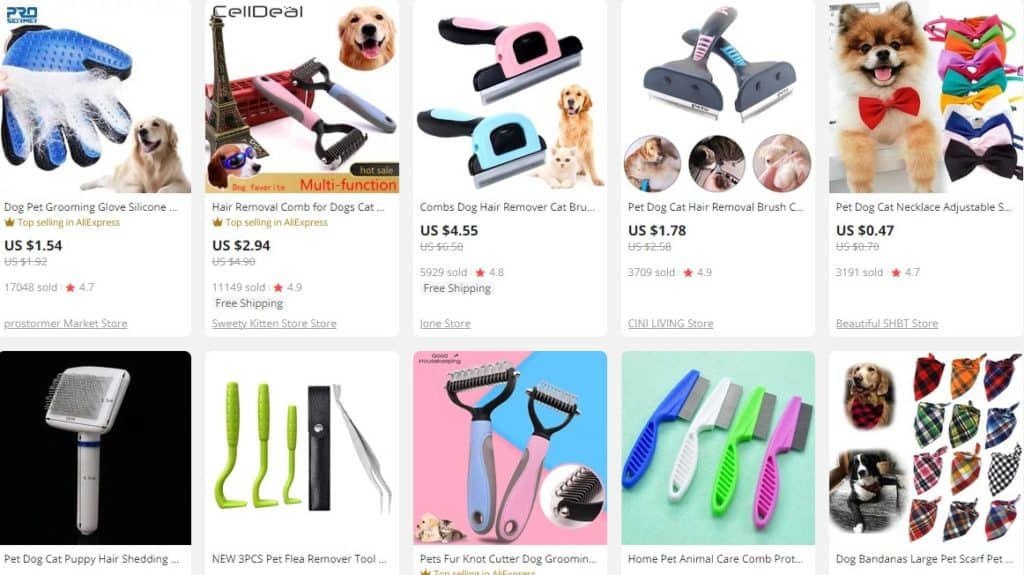
In recent years, the pet industry has experienced significant growth, with more people adopting pets as companions. This trend has also led to an increase in demand for pet-related products and services. For those looking to capitalize on this trend, dropshipping presents a viable option for selling pet products without holding inventory.
What is Dropshipping?
Dropshipping is a retail fulfillment method where you sell products without holding any inventory. As a dropshipper, you focus on marketing and selling products, while the supplier handles storage, packaging, and shipping. This model has become increasingly popular among entrepreneurs due to its potential for low startup costs and minimal risk.
How Does Dropshipping Work for Pets?
In the context of pet owners, dropshipping involves selling pet-related products such as food, toys, or accessories. When a customer places an order, the dropshipper forwards the order to the supplier, who then ships the product directly to the customer. This eliminates the need for the dropshipper to manage inventory, packaging, and shipping.
The Role of the Dropshipper
As a dropshipper, your role is to market and sell products, while the supplier handles logistics. You don’t have to worry about managing inventory or handling shipping. Instead, you focus on promoting products and convincing customers to make purchases.
Benefits for Pet Owners
For pet owners, dropshipping offers several benefits:
- No need to invest in inventory or storage space: Dropshipping eliminates the need for a physical warehouse or storage space, making it an attractive option for those with limited resources.
- Ability to sell a wide range of products without holding stock: With dropshipping, you can offer a variety of pet-related products without having to hold inventory. This allows you to cater to different customer preferences and interests.
- No labor costs associated with managing shipping and packaging: By outsourcing logistics to the supplier, you can avoid labor costs associated with packaging and shipping orders.
The Benefits of Dropshipping for Suppliers
Suppliers also benefit from dropshipping:
- Increased exposure to new customers through the dropshipper’s marketing efforts: As a supplier, you can reach a wider audience by partnering with a dropshipper who has an established customer base.
- Opportunity to expand their product offerings without increasing inventory costs: By partnering with a dropshipper, suppliers can test new products and expand their offerings without bearing the full cost of inventory.
- Reduced administrative burden of handling orders and shipping: Suppliers can focus on producing high-quality products while outsourcing logistics to reduce administrative burdens.
Dropshipping in Italy: Challenges and Opportunities
While dropshipping is gaining popularity worldwide, it remains relatively unknown in Italy. However, with the rise of e-commerce, there are opportunities for Italian businesses to adopt this model. For suppliers looking to enter the Italian market, some challenges include:
- Navigating local regulations and laws: Italian businesses must comply with local regulations and laws governing e-commerce and dropshipping.
- Building trust with customers: Dropshipping requires building trust with customers who may be hesitant to purchase from an unknown supplier.
- Managing logistics in Italy: Suppliers must navigate the complexities of shipping and logistics within Italy.
Risks and Considerations
As with any business venture, there are risks associated with dropshipping:
- Quality control issues with suppliers: If the supplier is not reliable, you may receive low-quality products or delayed shipments.
- Difficulty in building trust with customers: Dropshipping requires building a reputation for reliability and quality to convince customers to make purchases.
- High competition from established brands: The pet industry is highly competitive, with many established brands competing for market share.
However, these challenges can be mitigated by choosing reputable suppliers and focusing on excellent customer service. By building trust with customers and providing high-quality products, you can overcome the risks associated with dropshipping.
Conclusion
Dropshipping offers a unique opportunity for pet owners to start an online business without the need for inventory management. By partnering with suppliers, dropshippers can access a wide range of products and focus on marketing and sales. While there are risks associated with this model, they can be minimized by doing thorough research and choosing reputable suppliers.
Frequently Asked Questions
- What is the best way to find reliable suppliers for dropshipping?
- Research potential suppliers through online directories or trade shows
- Read reviews and check ratings from other customers
- Contact suppliers directly to inquire about their products and services
- How do I ensure quality control when working with a supplier?
- Regularly check product samples before shipping them out
- Monitor customer feedback and reviews to identify any issues
- Work closely with your supplier to resolve any problems that arise
- What are the key differences between dropshipping and traditional e-commerce?
- Dropshipping eliminates the need for inventory management, while traditional e-commerce involves holding stock.
- Dropshipping relies on suppliers for shipping, whereas traditional e-commerce handles all logistics in-house.
- Can I use dropshipping for multiple product categories?
- Yes, many successful businesses offer a range of products through dropshipping.
- Focus on finding suppliers that cater to your target market’s interests and needs.
- How do I measure the success of my dropshipping business?
- Track key metrics such as conversion rates, sales, and customer acquisition costs.
- Monitor customer satisfaction and feedback to identify areas for improvement.
- Regularly review financial statements to assess profitability.
By understanding the benefits and risks associated with dropshipping, pet owners can make informed decisions about starting an online business. With the right supplier partnerships and marketing strategies, dropshipping can be a lucrative way to sell pet-related products without holding inventory.


