
Introduction
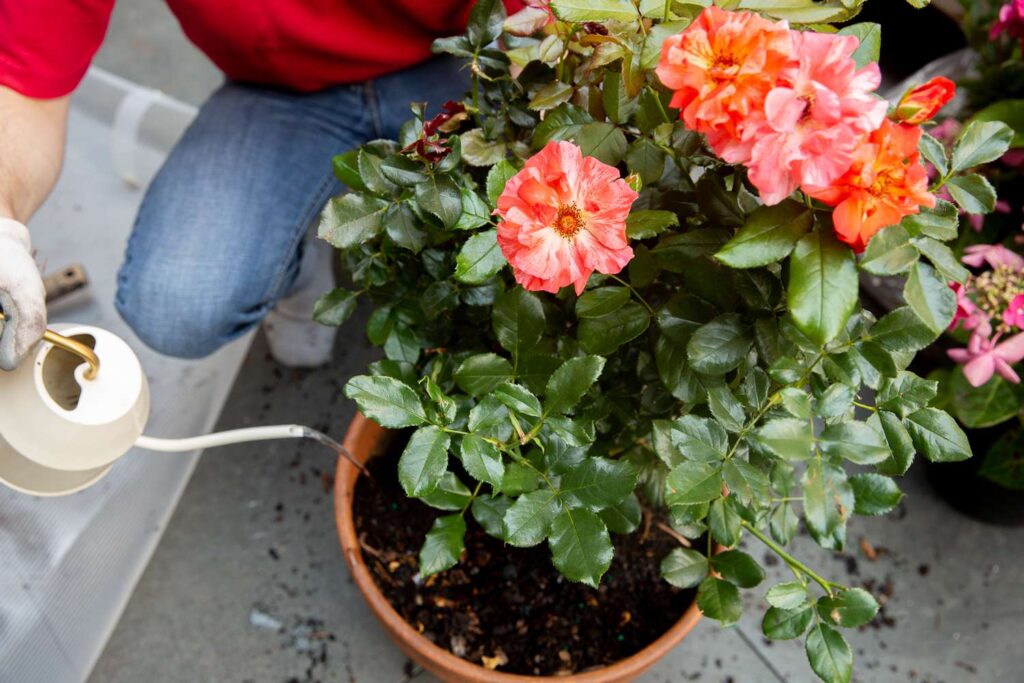
Raising roses in pots is a wonderful way to enjoy these beautiful flowers, even with limited space. In this article, we’ll explore the best varieties of roses for container gardening, when to transplant, how to care for them, and provide tips on watering, fertilizing, and protecting your potted roses from frost.
Content
- Best Roses for Container Gardening
- When to Transplant Roses in Pots: The Right Time
- Caring for Roses in Pots
3.1 Watering Roses in Pots: How Much Water Is Enough? - Caring for Roses in Pots During Winter
- Fertilizing Roses in Pots: Choosing the Right Fertilizer
- Best Fertilizers for Roses
Best Roses for Container Gardening
When it comes to growing roses in pots, it’s essential to choose varieties that thrive in containers. Look for compact or dwarf rose varieties with moderate growth habits. Some popular choices include:
- Lupo Rose
- Nozomi Rose
- Sonnenroeschen Rose
These varieties produce beautiful flowers from May to October-November.
When to Transplant Roses in Pots: The Right Time
Transplanting a potted plant means moving it from one container to another. In horticulture, both transplanting and repotting are referred to as “triplantation”. While it’s always possible to transplant or repot a rose, it’s essential to choose the right time. Spring (March-May) and autumn (September-November) are the best periods for triplantation.
Avoid transplanting in extreme temperatures, especially when they’re too hot or cold. This will help your potted roses thrive.
Caring for Roses in Pots
To keep your rose pots healthy and produce plenty of beautiful flowers, follow these guidelines:
- Watering Roses in Pots: How Much Water Is Enough?
- Use a shallow layer of mulch to retain moisture around the base of the plant.
- If you’re using corteccia (tree bark) as a mulch, apply a 5-8 cm deep layer.
- Every day during hot summer months, water your potted roses thoroughly.
- Every 4-5 days in autumn and winter, when the rose is well-established.
Caring for Roses in Pots During Winter
During the cold winter months, protecting your potted roses from frost is crucial. Here are some measures to take:
- Apply a layer of straw or compost around the base of the plant.
- Use a thick layer of mulch (5-8 cm deep) made from materials like burlap, pine needles, or shredded newspaper.
- Avoid placing your pots in areas with direct sunlight or frost.
If possible, relocate your potted rose to a protected area, such as an unheated garage or greenhouse. You can also use a tarp or plastic sheet to cover the pot and provide additional protection.
Fertilizing Roses in Pots: Choosing the Right Fertilizer
Roses need regular fertilization to produce beautiful flowers and maintain overall health. Choose a fertilizer that provides balanced nutrients, including nitrogen, phosphorus, and potassium (NPK).
Here are some key nutrients roses require:
- Azoto: Supports plant growth and stimulates stem and leaf development.
- Fosforo: Helps flower production and seed formation.
- Potassio: Essential for photosynthesis, making the plant more resistant to cold temperatures and drought.
- Ferro: Crucial for photosynthesis and preventing yellowing leaves.
Best Fertilizers for Roses
Some popular fertilizers for roses include:
- Compo: A balanced fertilizer that provides nitrogen, phosphorus, and potassium. It also contains magnesio and is rich in guano, which helps plants resist diseases and pests.
- Amazon.com (Compo) offers a detailed dosing guide to ensure you get the right amount of nutrients for your potted rose.
Pest Control
Pests can be a significant problem when growing roses in pots. Here are some common pests that may affect your potted roses:
- Aphids: Small, soft-bodied insects that feed on plant sap.
- Whiteflies: Tiny, winged insects that feed on plant sap and can transmit diseases.
- Spider mites: Tiny, spider-like insects that feed on plant sap.
To control these pests, use organic pest control methods such as neem oil, insecticidal soap, or pyrethrin. You can also introduce beneficial insects like ladybugs or lacewings to your garden to help control pest populations.
Pruning Roses in Pots
Regular pruning is essential for maintaining the health and appearance of your potted roses. Here are some tips on how to prune your roses:
- Prune your roses regularly during spring and summer, removing dead or damaged branches.
- Cut back canes to about 12-18 inches from the ground after blooming to promote new growth.
- Use clean pruning tools to prevent spreading diseases.
Tips for Growing Roses in Pots
Here are some additional tips for growing roses in pots:
- Choose a large enough pot to accommodate the mature size of your rose plant.
- Use a well-draining potting mix to prevent waterlogged soil.
- Provide your potted roses with plenty of sunlight, ideally at least 6 hours of direct sunlight per day.
- Water your potted roses regularly, but avoid overwatering which can lead to root rot.
Conclusion
Growing roses in pots is a wonderful way to enjoy these beautiful flowers, even with limited space. By choosing the right varieties, transplanting at the right time, and following proper care guidelines, you can keep your potted roses healthy and produce plenty of gorgeous blooms.


