
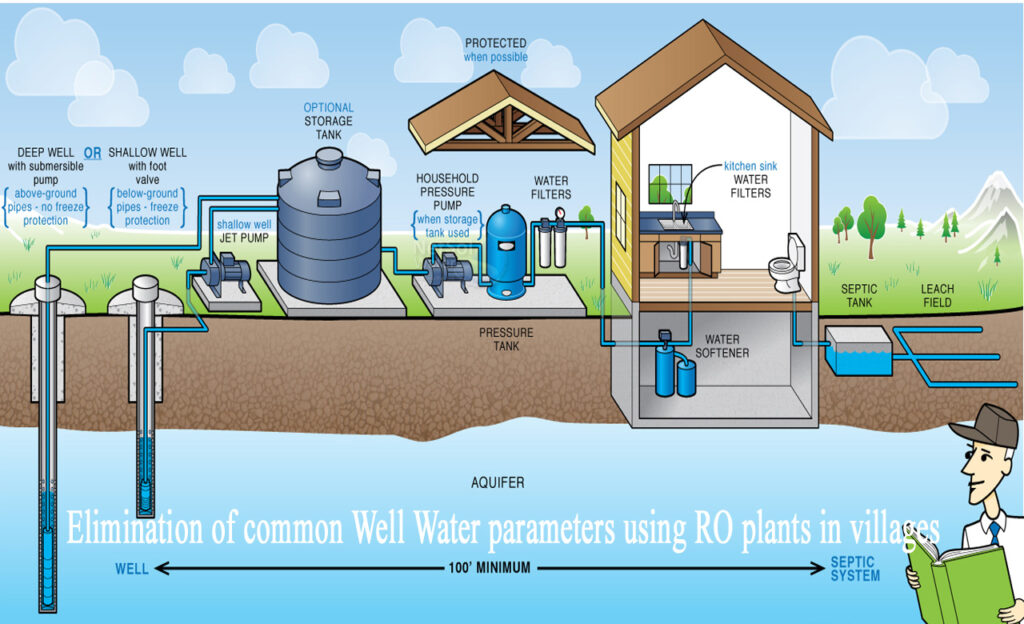
As we journey through the Italian countryside, we often find ourselves standing in front of a well, its wooden beam creaking under the weight of centuries of history. For those living off-grid, the well becomes their sole source of water. However, as we all know, the quality of this water can vary greatly. In this article, we will delve into the world of well water purification and explore the different methods available to ensure a safe and healthy drinking experience.
The Challenges of Well Water
Well water is often contaminated with various substances, including chemicals from industrial sources, agricultural runoff, and human waste. These pollutants can be present in high concentrations and pose significant health risks if not properly addressed. The problem lies not only in the quantity but also in the type of contaminants present. For instance, pesticides and industrial solvents can render the water undrinkable due to its odor, color, and taste.
The Importance of Purification
Purifying well water is crucial for several reasons:
- Safety: Removing harmful chemicals and bacteria ensures that our drinking water is safe and healthy.
- Taste and Odor: A clean and filtered well water tastes better and has a more pleasant odor.
- Aesthetic Appeal: The clarity of the water improves its overall appearance.
The Magic of Carbon Filters
Carbon filters have become a popular choice for purifying well water due to their effectiveness in removing impurities, particularly organic compounds like pesticides and industrial solvents. The activated carbon’s porosity allows it to trap these substances, leaving behind clean water. However, there are some limitations to consider:
- Effectiveness: Carbon filters may not eliminate all contaminants, such as bacteria and nitrates.
- Maintenance: Regular replacement of the filter cartridges is necessary to maintain its effectiveness.
The Power of Ion Exchange Filters
Ion exchange filters employ a resin that attracts and traps ions in the water, effectively reducing mineral content and hardness levels. These filters are particularly effective against metal contaminants like nickel and barium. However, their performance may vary depending on the type of filter used.
Reverse Osmosis: The Ultimate Solution?
Reverse osmosis (RO) systems use pressure to force water through a semipermeable membrane, removing impurities and minerals in the process. This method is highly effective against bacteria, nitrates, and other contaminants but may not be sufficient for all well water types.
Expert Guidance: The Best Approach
While DIY solutions can be tempting, it’s often recommended to consult with experts in the field to ensure that your well water purification system meets local regulations and effectively addresses specific contaminant issues. Consulting with a professional will also provide you with personalized recommendations based on the unique characteristics of your well water.
Frequently Asked Questions
- What are the most common contaminants found in well water?
- Industrial chemicals
- Agricultural pollutants
- Bacteria
- Nitrates
- Heavy metals
- Can I use a single filter for all my purification needs?
No, as different filters address various contaminant groups. - How often should I replace the filter cartridges in my carbon filter system?
Replacement frequency varies depending on usage patterns and water quality. - What is the most effective method for purifying well water with high levels of bacteria and nitrates?
Reverse osmosis (RO) systems are highly effective against these contaminants. - Can I use a home filter system to treat well water contaminated with heavy metals?
Some filters may be effective, but it’s often recommended to consult with experts for the best solution. - How do I maintain my well water purification system?
Regular maintenance includes cleaning and replacing filter cartridges as needed. - What are some common misconceptions about well water purification systems?
Misconception 1: All filters address all contaminant types.
Misconception 2: A single system can effectively purify water for an entire household.
Additional Considerations
In addition to the methods mentioned above, there are several other factors to consider when it comes to well water purification:
- Water Testing: Regular testing of your well water is essential to identify potential contaminants and determine the best treatment method.
- System Maintenance: Regular maintenance of your purification system is crucial to ensure its effectiveness and longevity.
- Budget: Well water purification systems can range from affordable to very expensive, so it’s essential to consider your budget when choosing a system.
By understanding the challenges of well water and exploring various purification methods, we can ensure a safer and healthier drinking experience for ourselves and our loved ones. With expert guidance and regular maintenance, we can ensure that our well water is safe, clean, and healthy enough to drink.


