
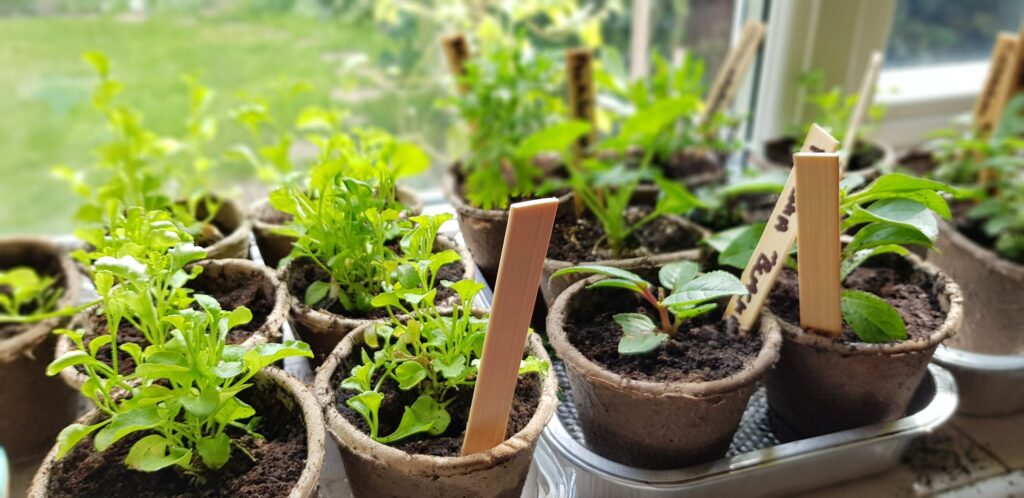
In recent years, the gardening community has been increasingly focused on reducing its environmental impact. One simple yet effective way to achieve this is by using biodegradable seed starting containers. In this article, we’ll explore what these containers are, how they work, and why they’re an excellent choice for eco-conscious gardeners.
What Are Biodegradable Seed Starting Containers?
Biodegradable seed starting containers are made from 100% natural materials that can easily decompose in the environment. They’re often simple vases or pots filled with a mixture of peat moss and vermiculite, making them perfect for germinating seeds. These containers are biodegradable, eco-friendly, and can be composted at the end of their life cycle.
Types of Biodegradable Seed Starting Containers
There are various types of biodegradable seed starting containers available in the market, catering to different needs and preferences. Some popular options include:
- Jiffy Pot: A classic choice among gardeners, Jiffy pots are made from a mixture of peat moss and vermiculite, making them an ideal option for germinating seeds.
- Biodegradable Seed Starting Trays: These trays are designed specifically for starting seeds and can be easily transplanted into larger containers or directly into the garden.
- PVC-Free Seed Trays: A popular choice among eco-conscious gardeners, PVC-free seed trays offer a sustainable alternative to traditional plastic seed starting trays.
- Compostable Seed Pods: These innovative seed pods are made from compostable materials and can be easily planted in the ground when the seeds have germinated.
Benefits of Using Biodegradable Seed Starting Containers
There are several benefits to using biodegradable seed starting containers, including:
- Reduced Environmental Impact: By choosing biodegradable containers, you’re reducing your carbon footprint and minimizing waste.
- Improved Soil Quality: The natural materials used in these containers help improve soil quality by providing beneficial microorganisms and nutrients to the seeds.
- Increased Seed Germination Rates: Biodegradable seed starting containers promote healthy root development and germination rates.
- Cost-Effective: While biodegradable seed starting containers may be slightly more expensive than traditional plastic or clay pots, they offer long-term cost savings by reducing waste and promoting sustainable gardening practices.
How to Use Biodegradable Seed Starting Containers
Using biodegradable seed starting containers is relatively straightforward. Here’s a step-by-step guide:
- Choose your container: Select a biodegradable seed starting container that suits your needs.
- Prepare the soil: Fill the container with a well-draining potting mix, leaving about 1-2 inches at the top for watering.
- Plant the seeds: Follow the seed package instructions for sowing depth and spacing.
- Water thoroughly: Water the seeds gently but thoroughly, making sure the soil is moist but not waterlogged.
- Provide adequate light: Place the container in a sunny spot or under grow lights to promote healthy germination.
Where to Buy Biodegradable Seed Starting Containers
Biodegradable seed starting containers can be found at various online retailers and gardening stores. Some popular options include:
- Amazon: Offers a wide range of biodegradable seed starting containers, including Jiffy pots and biodegradable trays.
- Burpee: Provides high-quality biodegradable seed starting containers, perfect for starting seeds indoors or outdoors.
- Local Gardening Stores: Visit your local gardening store to find biodegradable seed starting containers specifically designed for your region.
Conclusion
Biodegradable seed starting containers are a game-changer for sustainable gardening. By choosing eco-friendly containers, you’re reducing your environmental impact and promoting healthy seed germination rates. With the right materials and techniques, you can successfully start seeds indoors or outdoors using biodegradable containers. Happy gardening!
Frequently Asked Questions
Q: Are all biodegradable seed starting containers created equal?
A: No, different materials have varying levels of biodegradability. Look for containers made from 100% natural materials.
Q: Can I reuse biodegradable seed starting containers?
A: While some biodegradable containers can be reused, they’re best used once to ensure optimal germination rates.
Q: How do I dispose of biodegradable seed starting containers?
A: Simply compost the container at the end of its life cycle or bury it in your garden.
Q: Can I use biodegradable seed starting containers for other purposes?
A: While biodegradable containers are specifically designed for seed starting, you can repurpose them for other gardening tasks, such as starting cuttings or propagation.
Q: Are biodegradable seed starting containers suitable for cold climates?
A: Yes, many biodegradable containers are designed to withstand frost and can be used in cold climates. However, it’s essential to check the specific product description for more information.
Q: Can I use biodegradable seed starting containers for outdoor gardening?
A: While some biodegradable containers can be reused outdoors, they’re best used once to ensure optimal germination rates.
Tips and Tricks
- Use a well-draining potting mix to prevent waterlogged soil.
- Keep the container in a bright, sunny spot or under grow lights to promote healthy germination.
- Avoid overwatering, as this can lead to root rot and other problems.
- Transplant seedlings into larger containers or directly into the garden when they have 2-3 sets of leaves.
By incorporating biodegradable seed starting containers into your gardening routine, you’re taking a significant step towards reducing your environmental impact and promoting sustainable gardening practices. Happy gardening!


