
The Rise of Biofuels: A Sustainable Energy Solution
Introduction
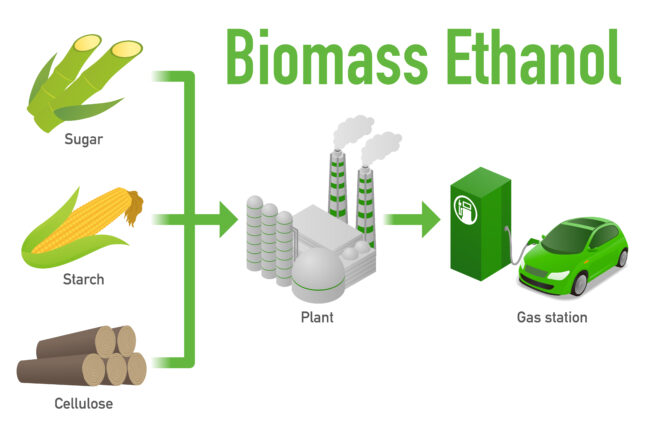
In the world of green energy, debates are most intense when discussing biofuels and wind power. These renewable energy sources present “collateral effects” but research is making great strides, particularly with biofuels, which have seen a significant surge in development: from traditional biofuels made from corn to those made from algae, without forgetting the possibility of producing biofuels using waste materials.
The Challenges of Traditional Biofuels
Traditional biofuels, such as those produced from corn, present an “impact on the environment” that has sparked concern. The agricultural industry linked to biofuel production harms ecosystems like forests, bogs, and pastures, not to mention the phenomenon of land grabbing. Producing biofuels in a laboratory would eliminate these negative impacts.
The European Union’s Biofuel Goals
By 2020, the European Union aims for biofuels to cover 10% of transportation energy needs. However, first-generation biofuels, which are produced from agricultural crops, compete with food crops and forested areas. This is where we enter the realm of fourth-generation biofuels: those produced from waste materials, organic waste, algae, or other laboratory synthesis processes.
The Future of Biofuels
In the future, the transportation industry will have a reliable source of biofuels thanks to microbes. Researchers around the world are working on harnessing bacteria, specifically Escherichia coli. The University of Exeter in Devon has made significant progress in this area, with researcher John Love engineering bacteria by inserting genetic sequences from other two bacterial species: Photorhabdus luminescens and Nostoc punctiforme.
The Role of Genes in Biofuel Production
Genes inserted into the DNA of Escherichia coli will enable the transformation of fats into biofuels. Bacteria like Escherichia coli already convert sugars into fats for cellular membrane synthesis, allowing these fats to be converted into biofuels through genetic engineering.
A Similar Research Study at the Barkeley Lab
A research study similar to the one conducted in Exeter was completed at the Barkeley Lab and is thoroughly described in this article of further exploration.
What are Biofuels?
Biofuels are fuels produced from organic matter. The most common sources of biofuels include agricultural waste, algae, and microorganisms.
Types of Biofuels: Traditional vs. New Generation
Traditional biofuels have been around for a long time but have significant environmental drawbacks. New-generation biofuels, on the other hand, are being developed to address these concerns. These newer fuels come from alternative sources such as waste materials, organic waste, algae, or other laboratory synthesis processes.
Why is There a Need for Biofuels?
The transportation sector accounts for approximately 70% of global oil consumption. Therefore, developing sustainable alternatives like biofuels is essential to reduce our reliance on fossil fuels and mitigate climate change.
What are the Challenges Faced by Traditional Biofuels?
Traditional biofuels face several challenges such as competition with food crops, deforestation, and water pollution. These issues make it necessary to look for alternative sources of energy production.
The Potential Benefits of New Generation Biofuels
New generation biofuels can address some of the concerns associated with traditional biofuels. For instance, they are less likely to compete with food crops and do not lead to deforestation. Moreover, these biofuels have lower emissions compared to traditional fuels.
What Does the Future Hold for Biofuels?
In the future, biofuels will become increasingly important in reducing our reliance on fossil fuels. With advancements like genetically modified bacteria that can convert fats into fuel, we can look forward to a more sustainable energy future.
The Science Behind Biofuel Production
Biofuels are produced by transforming organic matter into fuels through various processes such as fermentation and transesterification.
How Do Bacteria Convert Fats into Fuel?
Bacteria like Escherichia coli have the ability to convert sugars into fats. By genetically engineering these bacteria, we can produce biofuels more efficiently and sustainably.
The Role of Genes in Biofuel Production
Genes play a crucial role in biofuel production as they determine how microorganisms convert organic matter into fuel. Scientists are working on inserting specific genes into bacteria to enhance their ability to produce biofuels.
What Can We Learn from Research Studies?
Research studies provide valuable insights into the potential of biofuels and help scientists develop new methods for producing these fuels more efficiently and sustainably.
The Importance of Continuing Research
Continuing research on biofuel production is crucial as it will enable us to address some of the challenges associated with traditional biofuels. Moreover, it will pave the way for a more sustainable energy future.
Conclusion
In conclusion, biofuels are an essential part of our transition to a greener and more sustainable world. By understanding the science behind biofuel production and addressing the challenges faced by traditional fuels, we can ensure that these fuels play a vital role in reducing our reliance on fossil fuels.
References:
- Anna De Simone, “Biofuels: A Sustainable Energy Solution,” 23 April 2013.
- Barkeley Lab Study.


