
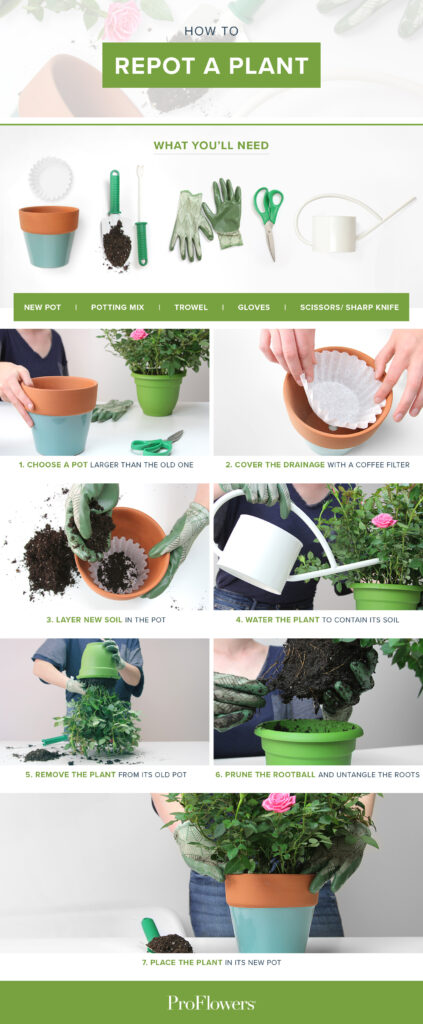
Plant transplantation is a crucial aspect of plant care that requires attention to detail. The success of this process depends on how well you execute it, and with the right guidance, anyone can become a pro at transplanting their beloved plants.
Understanding Plant Transplantation
If you think plant transplantation is a complex process, you’re wrong. With some basic knowledge and tools, you can master this technique to give your plants the best chance of thriving.
When Should You Transplant Your Plants?
The ideal time for transplantation varies depending on the type of plant, but generally, it’s recommended to transplant:
- Newly purchased plants: These are often sold in small pots that are not suitable for their growth.
- Plants with exposed roots: If your plant has roots growing out of its container, it needs a larger pot.
The Best Time for Transplantation
In general, the best time for transplantation is during the spring or fall. Avoid transplanting during the hottest summer months or the coldest winter months, as this can stress the plant. Spring and fall offer ideal conditions for planting, with mild temperatures and adequate moisture levels.
During the spring, plants are actively growing, making it an excellent time to introduce them to a new environment. The warm weather also allows roots to establish quickly, promoting healthy growth. On the other hand, the fall offers a favorable climate, providing plants with enough time to adjust before winter sets in.
Preparing Your Plant for Transplantation
Before transplanting, make sure you have the following:
- A new pot with good drainage
- Fresh and fertile soil
- Gloves to protect your hands from thorns and roots
To prepare your plant for transplantation, follow these steps:
- Inspect the root system: Check the roots of your plant for any signs of disease or pests.
- Trim dead or damaged roots: Use a pair of clean scissors to trim away any dead or damaged roots.
- Loosen the soil: Gently remove the plant from its container, taking care not to damage the roots.
The Transplantation Process
To successfully transplant your plant, follow these steps:
- Remove the old pot: Carefully take out the old pot from under the plant.
- Trim any dead or damaged roots: Use a pair of clean scissors to trim away any dead or damaged roots.
- Gently remove the plant from its container: If the plant is stuck, gently rock it back and forth to loosen it.
- Inspect the roots: Check for any signs of disease or pests.
- Prepare the new pot: Fill the new pot with fresh soil, leaving enough room for the plant’s roots.
Tips and Tricks
- Use pots that are only one to two sizes larger than the original pot.
- Avoid overwatering after transplanting, as this can cause root rot.
- Keep an eye out for pests and diseases during the transition period.
- Handle your plants gently during transplantation to prevent damage to the roots.
Special Considerations for Specific Plant Types
Some plants require special care when it comes to transplantation. For example:
- Orchids: These plants require a new pot with fresh soil and a shallow layer of bark to prevent waterlogging.
- Ibiscus: This plant requires a large pot with good drainage to accommodate its extensive root system.
Radical Care: Handling Plant Roots
When handling plant roots, be gentle but firm. Avoid damaging the delicate roots during transplanting. To handle roots effectively:
- Gently grasp the roots: Hold the roots of your plant gently but firmly.
- Avoid tugging or pulling: Refrain from tugging or pulling on the roots, as this can cause damage.
- Use a root hook: If necessary, use a root hook to gently guide the roots into their new pot.
Choosing the Right Pot Size
The new pot should be slightly larger than the old one, but not so large that it causes the soil to become waterlogged. A good rule of thumb is to add 8-10 cm to the diameter of the original pot. This will provide enough room for the roots to grow while preventing waterlogging.
Common Mistakes to Avoid
To ensure successful transplantation, avoid common mistakes such as:
- Overwatering: Transplanting in too much water can cause root rot and other problems.
- Underwatering: On the other hand, underwatering can also lead to root damage and reduced growth.
- Incorrect pot size: Using a pot that is too small or too large can affect soil moisture levels and plant growth.
Frequently Asked Questions
Q: How often should I transplant my plants?
A: The frequency of transplantation depends on the type of plant, but generally, it’s recommended to transplant every 2 years for most plants. Some plants, such as orchids, may require more frequent repotting.
Q: What is the best time for transplantation?
A: Spring and fall are the best times for transplantation, as they provide optimal conditions for growth.
Q: How do I prevent root rot after transplanting?
A: Avoid overwatering after transplanting, and make sure your pot has good drainage to prevent waterlogging. Monitor your plant’s condition closely during the transition period.
Q: Can I reuse the same pot for multiple plants?
A: It’s best to use a new pot for each plant to prevent disease and pests from spreading. Reusing pots can lead to contamination and reduced plant health.
Q: How do I care for my newly transplanted plants?
A: Keep an eye out for pests and diseases during the transition period, and provide your plants with enough water, sunlight, and nutrients. Monitor soil moisture levels carefully to ensure optimal conditions.
By following these guidelines and tips, you’ll be well on your way to becoming a master plant transplanter. Remember to stay patient, gentle, and attentive to your plants’ needs, and they will reward you with healthy growth and vibrant blooms.


