
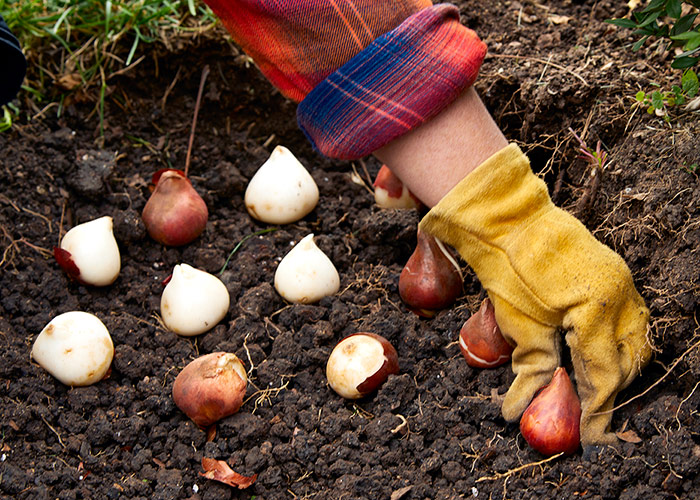
Understanding the Basics of Bulb Planting
When it comes to planting bulbs, timing is everything. Different types of bulbs have specific requirements for when they should be planted. In this article, we’ll explore the basics of bulb planting and provide tips on how to get started.
Choosing Healthy Bulbs
Before planting, it’s essential to choose healthy bulbs. Look for bulbs that are firm and free of mold or mildew. Check the packaging for any signs of damage or decay. Some types of bulbs, such as tulips, can be more prone to mold and mildew, so make sure to inspect them carefully.
When selecting bulbs, consider the following factors:
- Age: Fresh bulbs should be stored properly over the winter months. Old or dried-out bulbs may not bloom well or at all.
- Packaging: Bulbs should be packaged in a way that protects them from damage and moisture.
- Shape and size: Choose bulbs that are plump, firm, and have no visible signs of decay.
- Color: If you’re looking for specific colors, choose bulbs that match those colors.
Preparing the Soil
The soil is a critical component of bulb planting. Bulbs need well-draining, fertile soil that’s rich in organic matter. Mix in compost, manure, or other organic materials to create a nutrient-rich environment. Avoid planting bulbs in areas with standing water or where water tends to collect.
Here are some tips for preparing the soil:
- Test your soil pH: Different types of bulbs prefer different soil pH levels. For example, tulips and daffodils prefer slightly acidic soil (pH 6.0-7.0), while hyacinths and grape hyacinths prefer more alkaline soil (pH 7.0-8.0).
- Add organic matter: Mix in compost, manure, or other organic materials to create a nutrient-rich environment.
- Check for drainage: Make sure the soil drains well to prevent waterlogged conditions.
Planting Bulbs
There are several ways to plant bulbs, depending on the type and size of the bulb. Here are some general tips:
- Plant bulbs at the right depth: The ideal depth for planting bulbs depends on the type and size of the bulb. A general rule of thumb is to plant bulbs 2-3 times deeper than their height.
- Space bulbs correctly: Make sure to leave enough space between each bulb to allow for proper growth and air circulation.
- Plant bulbs at the right time: Different types of bulbs have specific planting requirements. Spring-blooming bulbs, like tulips and daffodils, should be planted in the fall, while summer-blooming bulbs, like lilies and cannas, should be planted in the spring.
Planting Bulbs in Vases
If you don’t have space to plant bulbs directly in the ground, you can still enjoy them in vases. To plant bulbs in a vase:
- Use a well-draining potting mix: Choose a potting mix that drains excess water and prevents waterlogged conditions.
- Choose a container with good drainage holes: Make sure the container has drainage holes to prevent water from accumulating in the soil.
- Plant bulbs 2-3 times deeper than their height: Plant the bulb at the same depth as it would be planted in the ground, taking into account the size of the bulb.
- Water thoroughly and keep the soil moist: Water the bulb gently but thoroughly after planting, and keep the soil moist during the growing season.
When to Plant Bulbs
Different types of bulbs have different planting requirements. Here are some general guidelines:
- Spring-blooming bulbs (tulips, daffodils, etc.): Plant in the fall
- Summer-blooming bulbs (lilies, cannas, etc.): Plant in the spring
- Autumn-blooming bulbs (narcissus, etc.): Plant in the fall
Planting Narcissus
Narcissus is a popular bulb that’s easy to grow and maintain. To plant narcissus:
- Choose a location with full sun to partial shade: Narcissus prefers full sun to partial shade, but can tolerate more shade than some other bulbs.
- Plant bulbs 3-4 times deeper than their height: Plant the bulb at the same depth as it would be planted in the ground, taking into account the size of the bulb.
- Water thoroughly and keep the soil moist: Water the bulb gently but thoroughly after planting, and keep the soil moist during the growing season.
- Fertilize lightly in the spring: Fertilize the bulb with a balanced fertilizer (10-10-10) at half the recommended strength to encourage blooming.
Planting Other Types of Bulbs
Here are some additional tips for planting other types of bulbs:
- Tulips and daffodils: Plant in the fall, 6-8 inches deep. Space bulbs 3-6 inches apart.
- Hyacinths: Plant in the fall, 4-6 inches deep. Space bulbs 3-6 inches apart.
- Grape hyacinths: Plant in the fall, 2-3 inches deep. Space bulbs 2-3 inches apart.
- Cannas and gladiolus: Plant in the spring, after the last frost date. Space bulbs 4-12 inches apart.
Common Problems with Bulbs
Here are some common problems that can occur when planting bulbs:
- Overwatering: Avoid overwatering, which can lead to rot and other problems.
- Underwatering: Make sure to water bulbs lightly but thoroughly after planting, and keep the soil moist during the growing season.
- Pests and diseases: Keep an eye out for pests like rodents, deer, and insects. Regularly inspect your plants for signs of disease like mold or mildew.
Conclusion
Planting bulbs is a simple and rewarding process that can add beauty and life to your garden. By following these tips and guidelines, you’ll be well on your way to creating a stunning display of flowers. Remember to choose healthy bulbs, prepare the soil properly, and plant at the right time for the best results.
Frequently Asked Questions
- Q: What’s the best type of bulb to start with?
A: If you’re new to bulb planting, start with tulips or daffodils. They’re easy to grow and maintain, and come in a variety of colors. - Q: How often should I water my bulbs?
A: Water your bulbs lightly but thoroughly after planting, and keep the soil moist during the growing season. Avoid overwatering, which can lead to rot and other problems. - Q: Can I plant bulbs in containers?
A: Yes! You can plant bulbs in containers, just make sure they have good drainage holes and a well-draining potting mix. - Q: How long does it take for bulbs to bloom?
A: The time it takes for bulbs to bloom depends on the type of bulb and the climate. Generally, spring-blooming bulbs will bloom within 6-12 weeks after planting, while summer-blooming bulbs may take longer. - Q: Can I divide or replant bulbs?
A: Yes! You can divide or replant bulbs to propagate new plants and create more flowers. - Q: What’s the best way to care for my bulbs after they bloom?
A: After your bulbs finish blooming, allow the foliage to die back naturally. This will help recharge the bulb’s energy stores for next year’s bloom.
Additional Resources
For more information on bulb planting and care, consult the following resources:
- Local nurseries and gardening clubs: Visit local nurseries and gardening clubs for advice and guidance on bulb planting and care.
- Online forums and communities: Join online forums and communities dedicated to bulb enthusiasts to ask questions and share knowledge with others.
- Bulb catalogs and publications: Check out bulb catalogs and publications for information on specific types of bulbs, including growing conditions, blooming times, and care instructions.
By following these tips and guidelines, you’ll be well on your way to creating a stunning display of flowers that will last all season long. Happy planting!


