
Introduction
The Roman Cavallo Maremma Laziale is an ancient horse breed, whose morphological model is even linked to that of the famous Refulus, a horse owned by Marco Aurelio. Currently considered endangered, with fewer than 1000 individuals in Italy, this breed has been slowly recovered in recent decades thanks to meticulous research and assistance from experts.
Origins of the Roman Cavallo Maremma Laziale
This horse originated from the Maremma Laziale region. Known for its exceptional work ethic, it excels in assisting its rider, making it an invaluable asset to farmers. With a strong and confident personality, the Roman Cavallo is a unique breed that has captured the hearts of many.
The History of the Breed
The Roman Cavallo Maremma Laziale’s history dates back centuries, with records of this breed found in ancient texts. The breed was highly valued for its strength, intelligence, and gentle nature, making it an ideal companion for riders and farmers alike. Over time, the breed has undergone significant changes due to factors such as cross-breeding and selective breeding.
The Significance of the Breed
Despite being considered endangered, the Roman Cavallo Maremma Laziale is a vital part of Italy’s cultural heritage. The breed plays a crucial role in preserving local traditions and supporting regional farming practices. Its unique characteristics have also made it a sought-after breed among equestrians and horse enthusiasts worldwide.
Temperament and Attitude
The temperament of the Roman Cavallo Maremma Laziale is docile and courageous. Its attitude includes working as a mount for managing free-range cattle and a horse for tourism and equestrian activities. One impressive example of this breed is shown being ridden by a young girl, highlighting its suitability for various riding styles and ages.
Characteristics of the Roman Cavallo Maremma Laziale
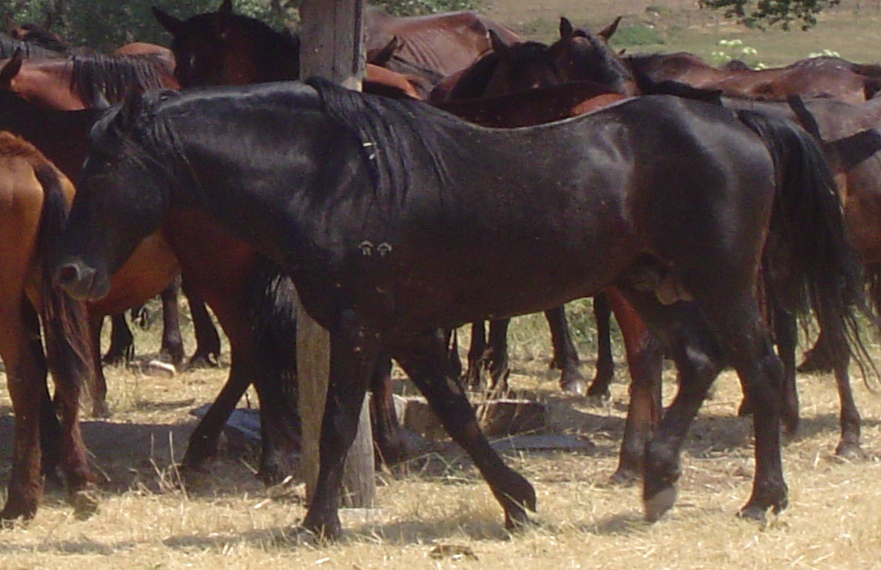
- Coat: Bay in all its shades, morello, sauro, and grigio; small to medium-sized listers and stars are tolerated, but not too large; flaxen manes up to half the tail.
- Head Shape: Well-attached, slightly heavy and elongated; eye size: medium; ear proportionate.
- Neck and Back: Large and muscular, well-connected base and medium length; arched shape.
- Body: Muscular with prominent chest muscles.
- Limbs: Solid, robust, pastel-colored legs with possible saddle attachments.
- Hooves: Well-shaped, resistant, and wide.
Biometric Data of the Roman Cavallo Maremma Laziale
Minimum height of garrese:
– Males: 155 – 165
– Females: 150 – 162
The Ancient Rite of Transhumance and the History of Cavalcanti della Transumanza
For over 25 years, La Mandria, led by Manlio Fani alongside a trusted group of expert horsemen, has moved from the plains of Ponzano Romano to the summer pastures in nearby mountains, often on Mount Terminillo.
This journey typically lasts a week and starts with a grand celebration before departure!
Throughout the following days, you immerse yourself in La Mandria and guide it safely through rivers, trails, roads, and bridges… heading towards the mountains!
Transhumance is not just a trip; it’s an unforgettable experience that you get to be a part of.
The Importance of Transhumance
Transhumance has been practiced for centuries in Italy, with La Mandria being one of the most renowned groups. This traditional practice allows cattle to graze on lush pastures during the summer months, ensuring their health and well-being. The Roman Cavallo Maremma Laziale plays a crucial role in this process, as its strength and endurance enable it to carry riders safely over rugged terrain.
The Role of Manlio Fani
Manlio Fani has been instrumental in preserving the Roman Cavallo Maremma Laziale. His dedication to researching and promoting the breed’s unique characteristics has led to increased recognition and conservation efforts by international organizations such as the FAO.
Conservation Efforts
In recent years, there have been significant efforts to conserve the Roman Cavallo Maremma Laziale. These include:
- Research and Documentation: Researchers have conducted thorough studies on the breed’s history, genetics, and behavior.
- Breeding Programs: Conservation programs have been established to promote responsible breeding practices and maintain genetic diversity.
- Education and Awareness: Educational initiatives have been launched to raise awareness about the importance of conserving this rare breed.
Conclusion
The Roman Cavallo Maremma Laziale is a rare breed with unique characteristics. Its history and culture are deeply rooted in the Maremma Laziale region, making it a valuable asset for local communities. With its incredible work ethic and strong personality, this horse has captured hearts worldwide. As we continue to learn more about this breed, we can better appreciate its significance and contribute to its conservation efforts.
Frequently Asked Questions
-
Q: What is the purpose of the Roman Cavallo Maremma Laziale?
A: This breed excels in assisting its rider with managing free-range cattle and providing a mount for tourism and equestrian activities. -
Q: How rare is the Roman Cavallo Maremma Laziale?
A: With fewer than 1000 individuals, this breed is considered endangered due to factors such as lack of awareness and conservation efforts. -
Q: Who helped preserve the Roman Cavallo Maremma Laziale?
A: The FAO (Food and Agriculture Organization) recognized the importance of conserving this breed through research conducted by Manlio Fani and his team. -
Q: What is transhumance, and how does it relate to the Roman Cavallo Maremma Laziale?
A: Transhumance is a unique journey that involves moving livestock from winter pastures to summer pastures, which has been practiced by La Mandria for over 25 years, led by Manlio Fani. -
Q: What characteristics define the Roman Cavallo Maremma Laziale’s appearance?
A: This breed is known for its bay coat colors, flaxen manes, well-attached heads, and strong body shape. -
Q: How does the Roman Cavallo Maremma Laziale contribute to local communities?
A: As a symbol of tradition and culture, this horse supports regional farming practices and tourism industries through its work ethic and strong personality. -
Q: What role has Manlio Fani played in preserving the Roman Cavallo Maremma Laziale?
A: His efforts have led to increased recognition and conservation of this breed by international organizations such as the FAO, thanks to his dedication to researching and promoting the breed’s unique characteristics. -
Q: How long does it take for a Roman Cavallo Maremma Laziale to reach maturity?
A: This breed takes around 5-7 years to mature, during which time they undergo careful training and socialization to ensure their exceptional temperament and work ethic.
By understanding the history, culture, and characteristics of the Roman Cavallo Maremma Laziale, we can better appreciate this incredible breed’s value in preserving local traditions and promoting regional farming practices.


